Time on the Job
Most houses in Wake Village went up around 1985, and a lot of them still carry the roller hardware that came with the door the day it was hung.
Rarely replaced until failure
Rollers are one of the few parts nobody thinks to replace until they fail outright, so if your house dates to that mid-80s run, there's a real chance you're running on close to forty-year-old steel.
Oval stems from wear
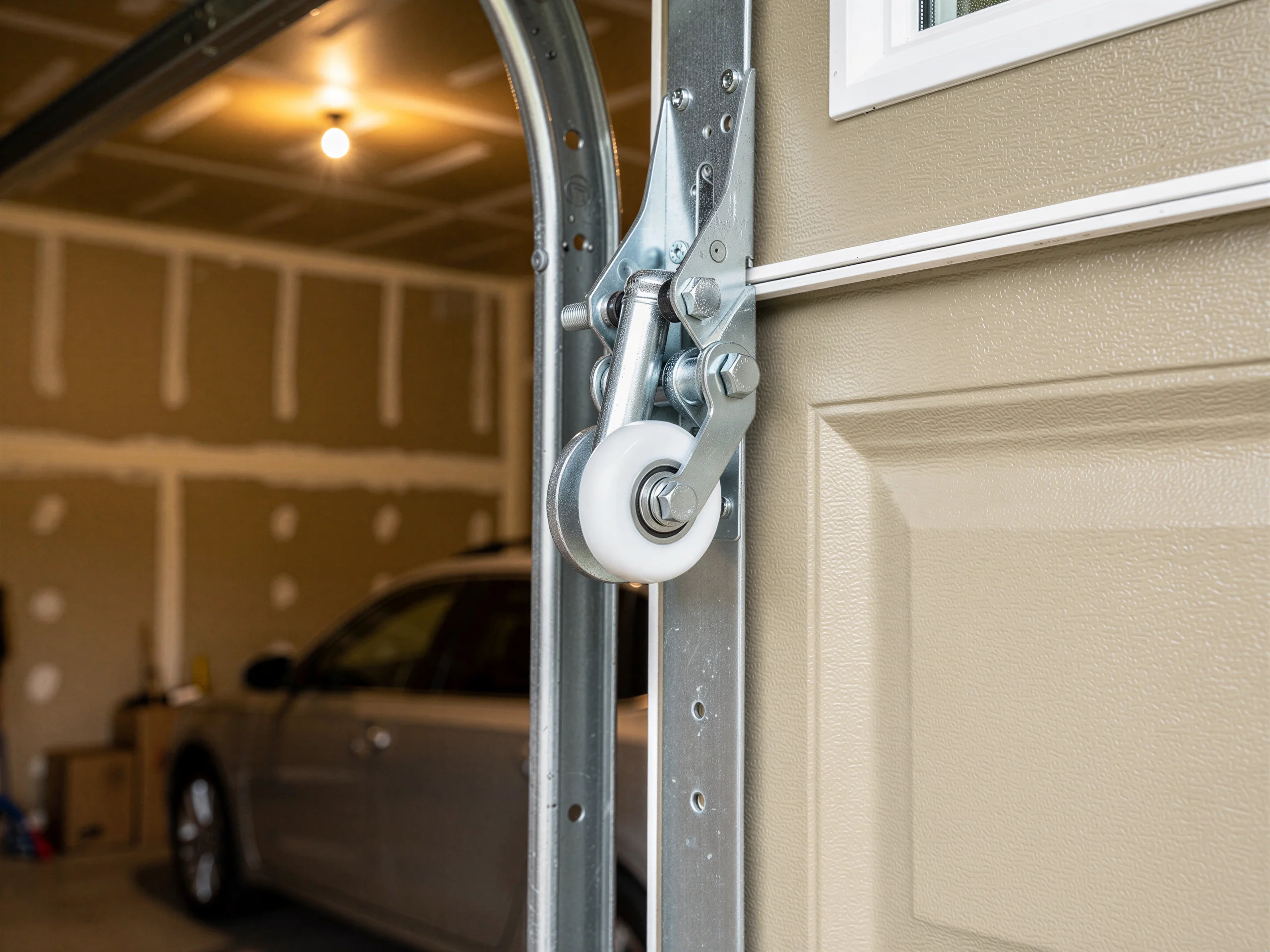
Steel rollers from that era don't have the sealed bearings you'd get on a newer door, and the stems wear oval over time instead of round, which is what makes the door start to chatter in the track. We make the drive out from Texarkana - it's about 3 miles, so it's not a long haul, but we're not based in Wake Village itself, we just cover it regularly.
Mixed steel and nylon
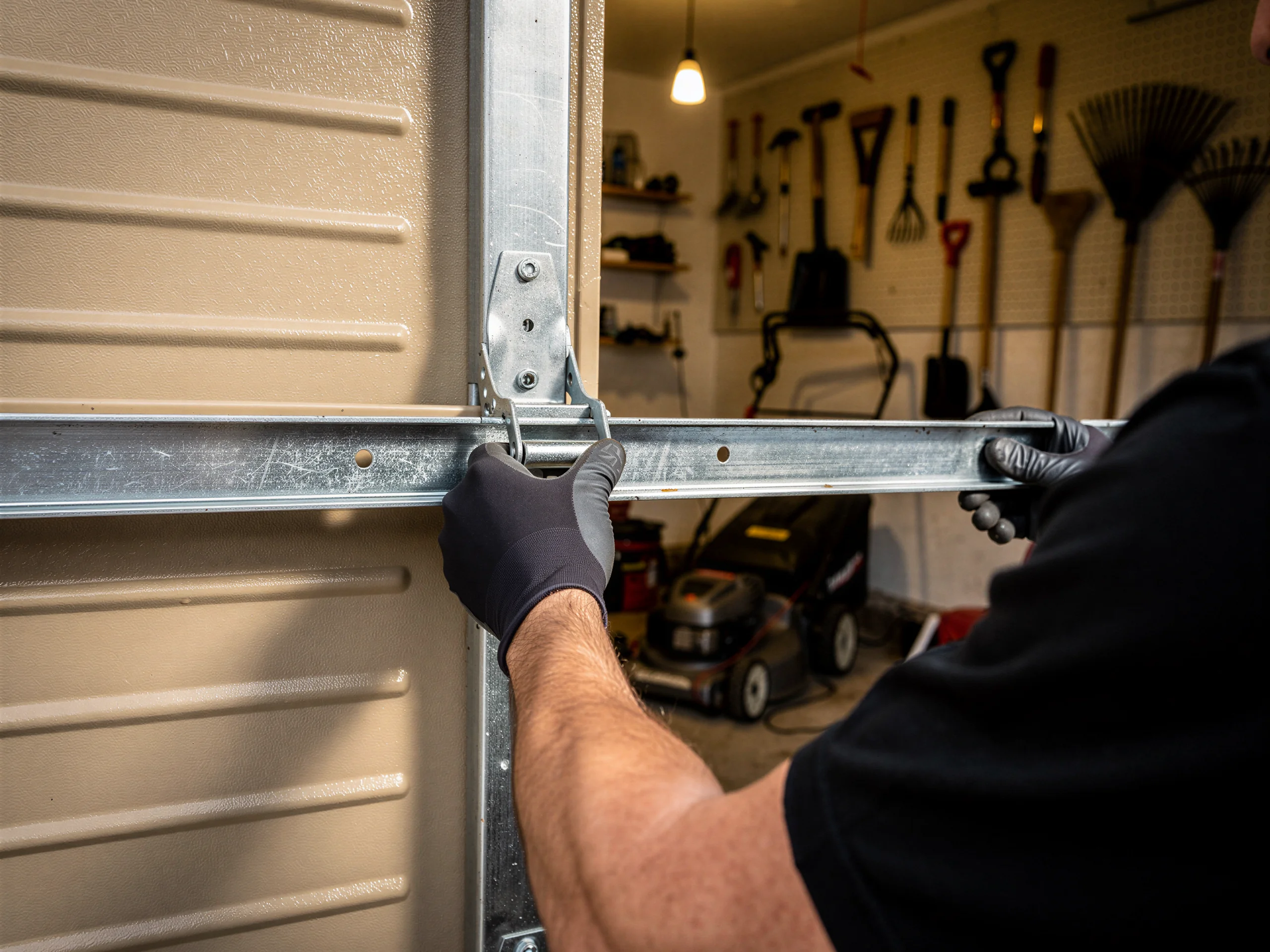
We don't guess at what's installed before we get there; a lot of the original hardware in this pocket is a mix of steel and early nylon, and the only way to know which you have is to look at the track and the stem together. If the rollers are original, odds are decent the hinges and the end bearing plates are too, and those get checked at the same time.
Stocked Parts
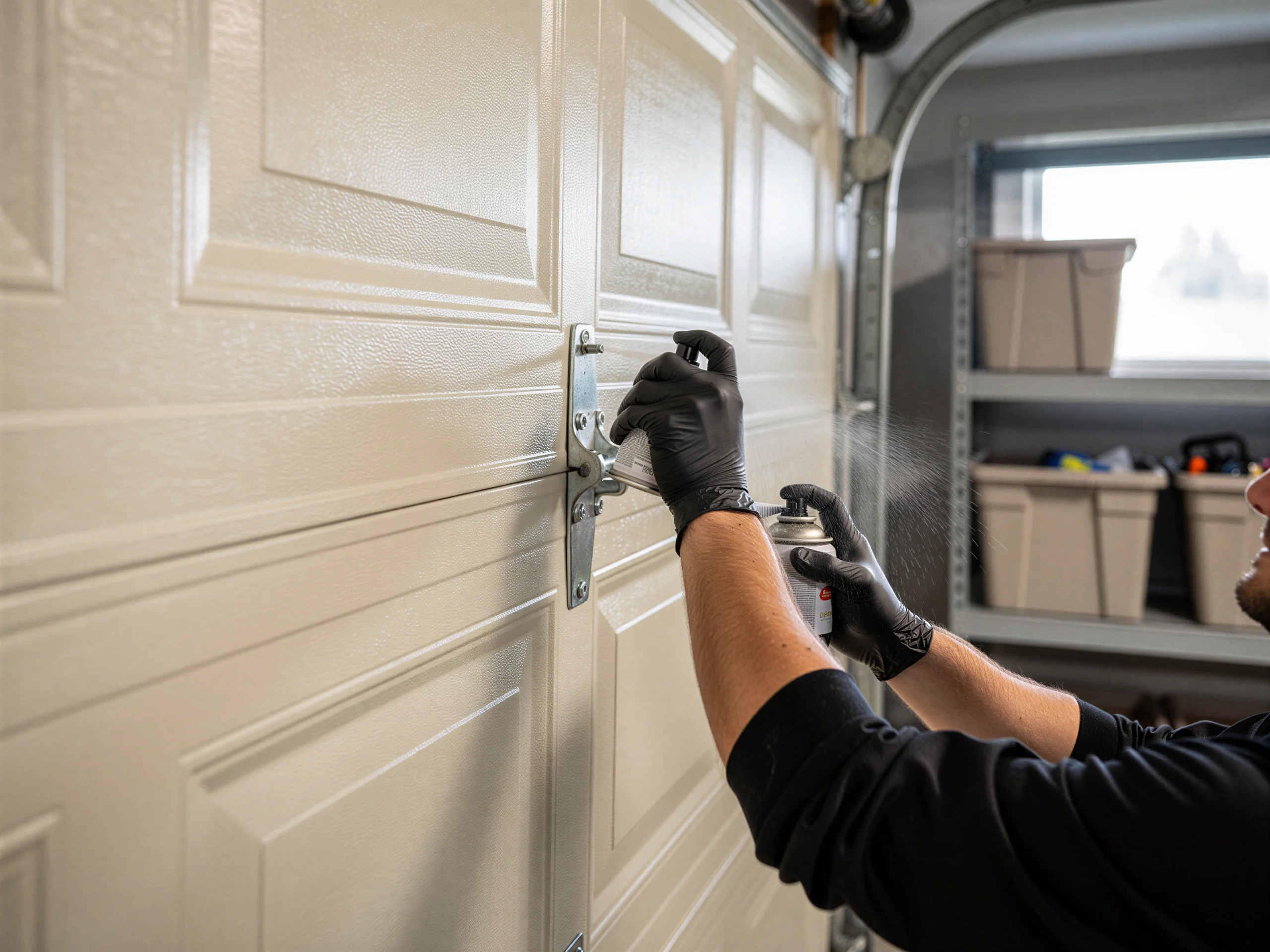
We carry both 7-ball sealed nylon rollers and the longer-stem versions that fit the wider jamb clearance you see on doors from this build period. Nylon is what we put in for most of these jobs - quieter than steel, and the sealed bearing means no yearly lube schedule. We also stock the step-down stems some of these 1980s tracks need, since the newer standard stem doesn't always seat right in older track brackets without an adapter. What we don't stock is anything exotic - if a door has a roller style we don't carry on the truck, we'll say so and order it rather than force a part that doesn't fit the track.
Why It Happens Here
Wake Village sits in a moderate-heat climate band, so you're not dealing with the extreme thermal swing that cracks nylon in a hard freeze-thaw cycle. What you are dealing with is straight mechanical fatigue - forty years of a few cycles a day wears a roller stem down regardless of the weather. In a community of roughly 2,285 households, most built in that same mid-80s window, the failure pattern repeats: the roller nearest the bottom bracket wears first because it carries the most weight off the opener arm, and that's usually the one making the noise you're hearing before anything else gives out. Median household income here runs around $69,796, noticeably higher than the roughly $51,346 median across the wider Texarkana service area, and what that tends to mean in practice is more owners replacing the full roller set rather than patching just the noisy one - worth knowing going in, since it changes which option we quote first.
What the Fix Involves
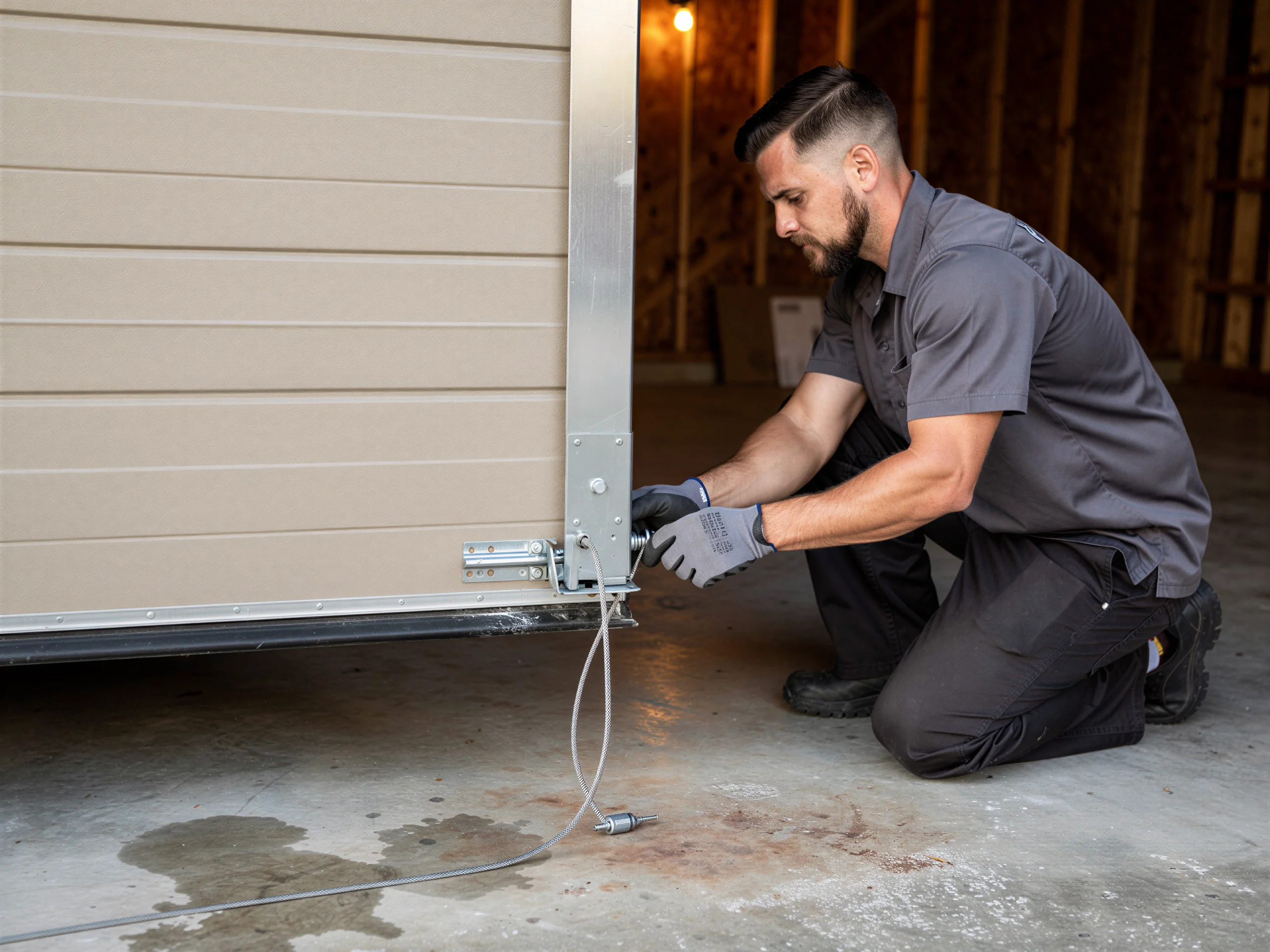
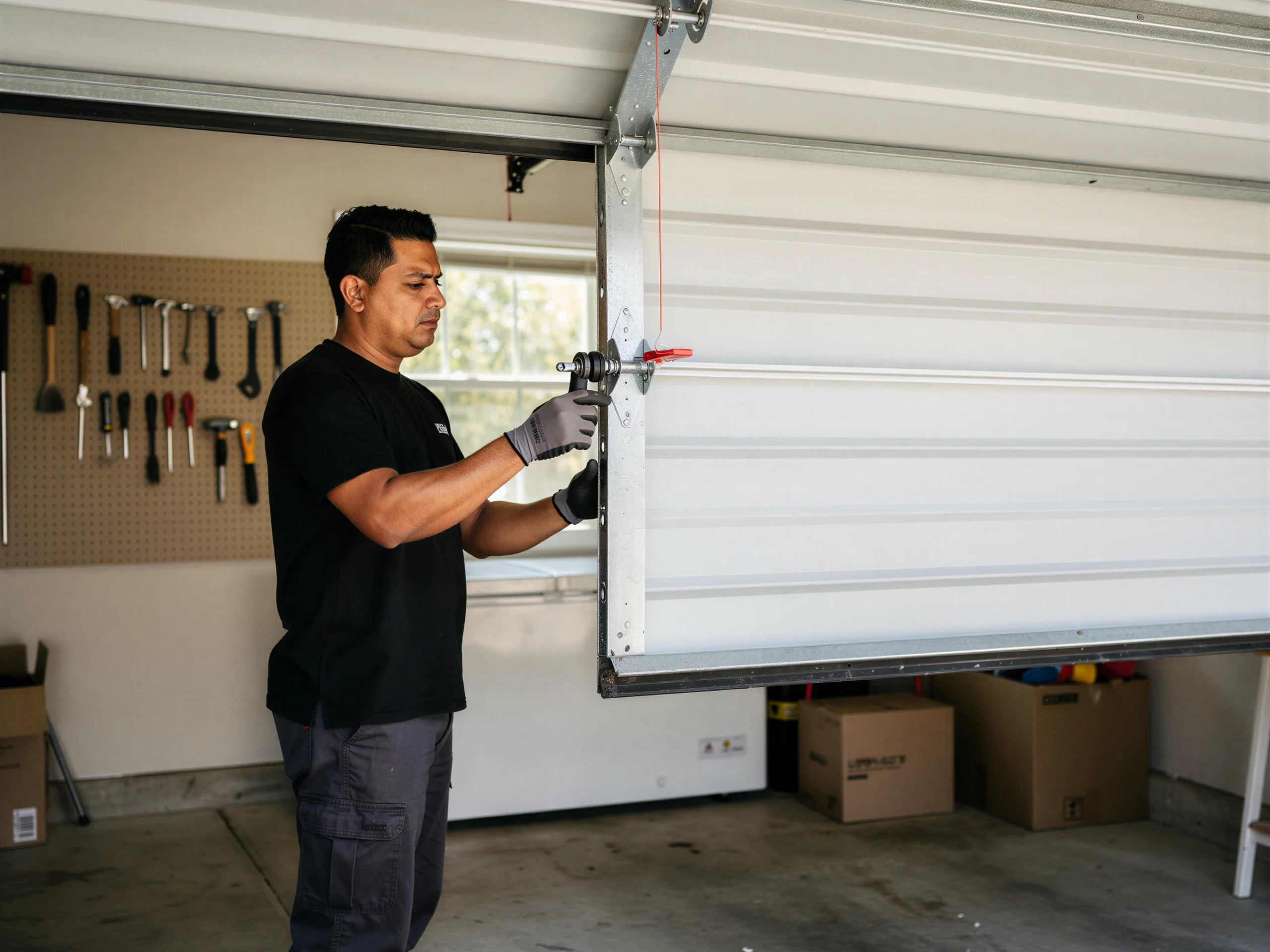
We pull the door down, support it, and work the rollers out of the track one at a time rather than dropping the whole assembly - on a door this old, the track itself can be slightly bent from decades of a worn roller riding crooked in it, and we check for that before anything goes back in.
Straight track, simple swap
If the track is straight, it's a straightforward swap: new rollers, new stems if the old ones are pitted, and a check of the hinges while the door's apart since they wear on the same schedule.
Bent track needs more
If the track is bent enough that new rollers won't ride true, that's a different job and we'll tell you straight rather than force a roller fix that won't hold.
Worn bracket or drum
One honest limit here: if the bottom bracket or the cable drum is also worn out, roller replacement alone won't quiet the door down, and we won't pretend otherwise just to close out a smaller ticket.
Talk to a local pro
Garage door service in Texarkana?
Same-day service with honest, upfront quotes.