Local detail
What Local Conditions Do
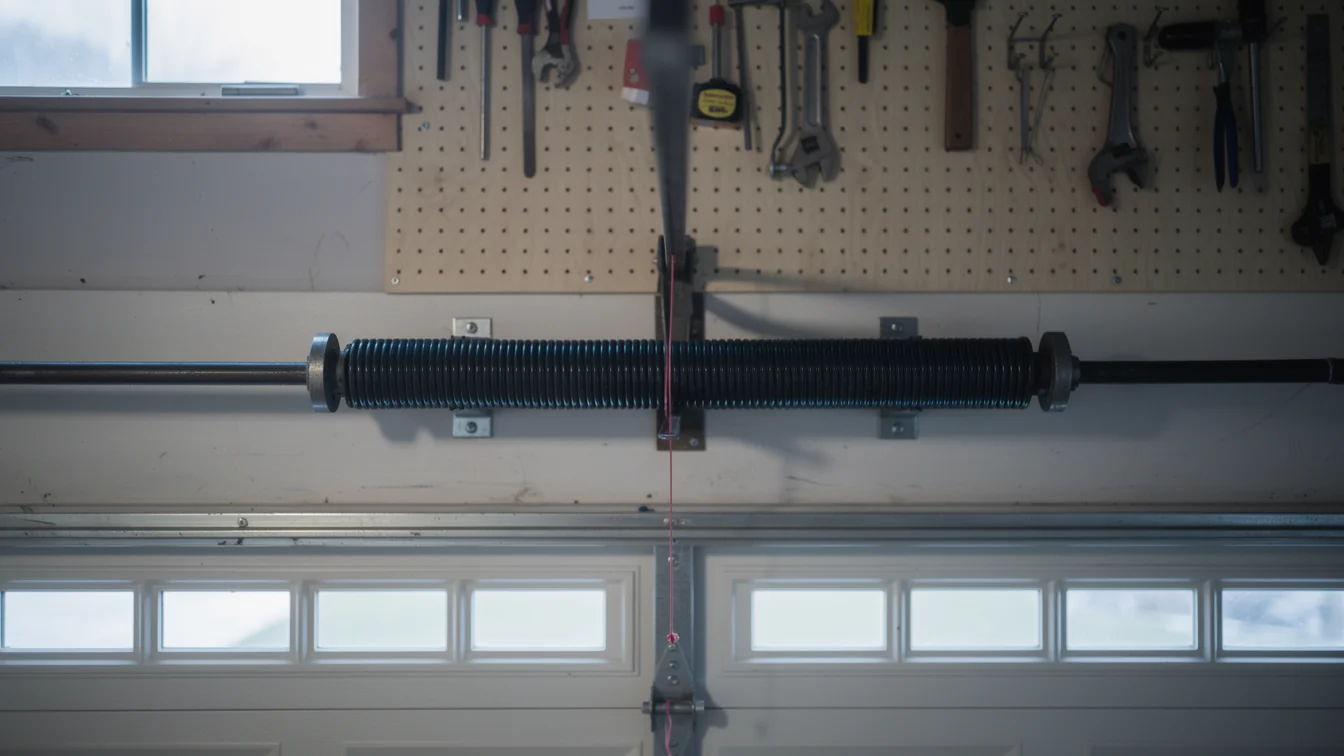
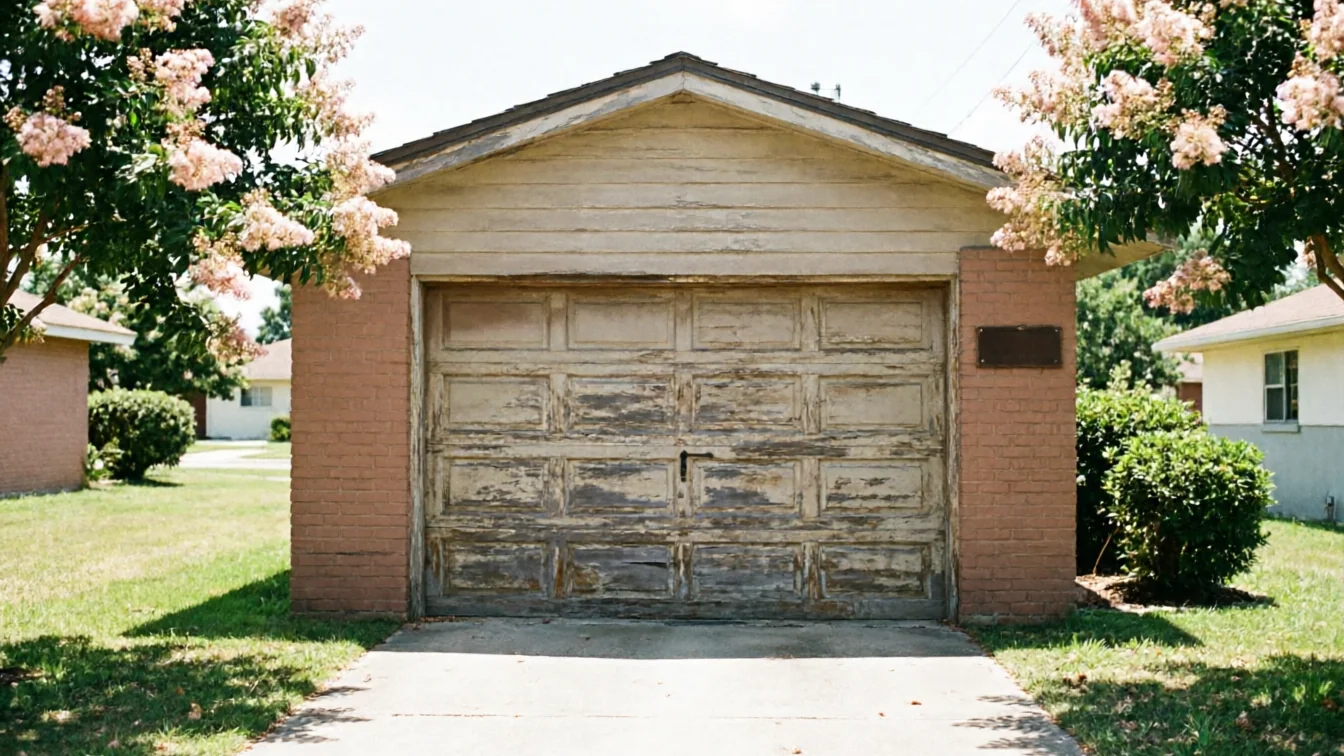
Texarkana's housing stock mostly went up between 1971 and 1992, with the median build year sitting around 1984. That matters more than people think. A door from that era is usually steel, single-layer or lightly insulated, hung on hardware that was standard for the builder-grade market of the time. It's not junk, but it's also not built to the same tolerances or insulation values as what goes in new construction now. Across the six main pockets of the service area - the mix runs pretty consistently 1980s and 90s stock, which means most of the calls we get involve the same handful of failure points: springs that have cycled past their rated life, rollers that were never nylon to begin with, and openers with chain drives loud enough to wake the house. None of that is dramatic. It's just age catching up with hardware that was fine when it was installed and isn't anymore. The climate here falls in the moderate heat band, not the extreme end of the Texas range, so we don't see the kind of daily thermal cycling that cracks panels in a single season out west. But moderate heat over 35-plus years still dries out seals, and it still fatigues the galvanized coating on older torsion springs faster than people expect.
The area
The Situation
With 7,235 households in the service area and 3,410 of those owner-occupied houses, a big share of what we work on is original equipment - doors and openers that came with the house and never got swapped out. Median household income here runs $51,346, which is a real number worth saying out loud: it means most homeowners are making a cost call, not a convenience call, when they decide between fixing and replacing. A door built in the 1984-ish median year is now pushing four decades old on some lots, and at that age the question isn't whether something will eventually fail - it's whether the next failure is a $200 part or a $1,500 teardown. Panels that are still straight and springs that are still cycling are worth saving. A door that's already had two spring replacements and a bent track is telling you something.
What we find
When to Call Someone
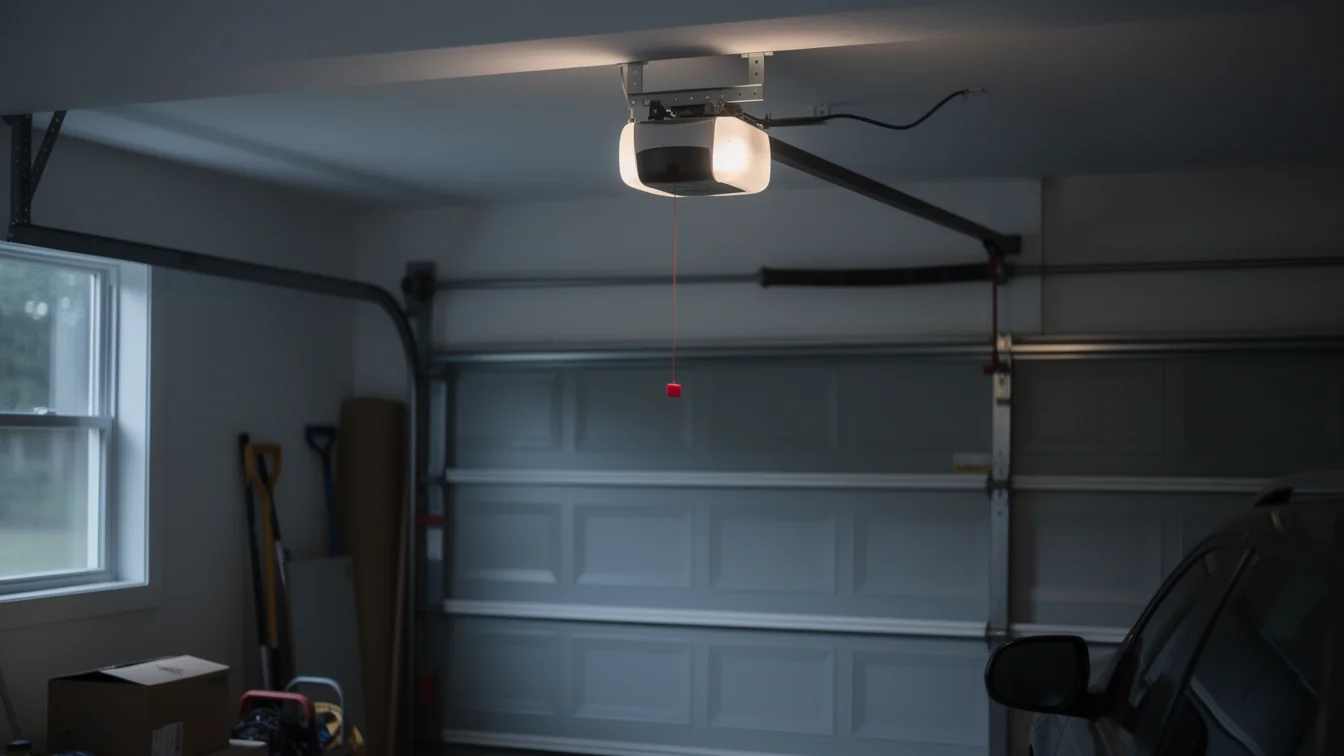
Call before the door fails all the way, not after. If a door from the 1970s-90s stock is starting to sag on one side, or the opener strains and reverses on the way up, that's the hardware telling you it's near the end, not a one-time glitch. We'll look at the springs, the track alignment, and the panel condition and tell you straight whether it's a repair or a replacement call - we don't run a sales pitch on either answer. One honest limit: if a door is original to a 1970s build and the panels themselves are rusted through or delaminating, we're not going to spend your money patching it. At that point parts availability for some of that older gauge steel gets thin, and a repair just delays the real cost.
How we work
The Seasonal Bit
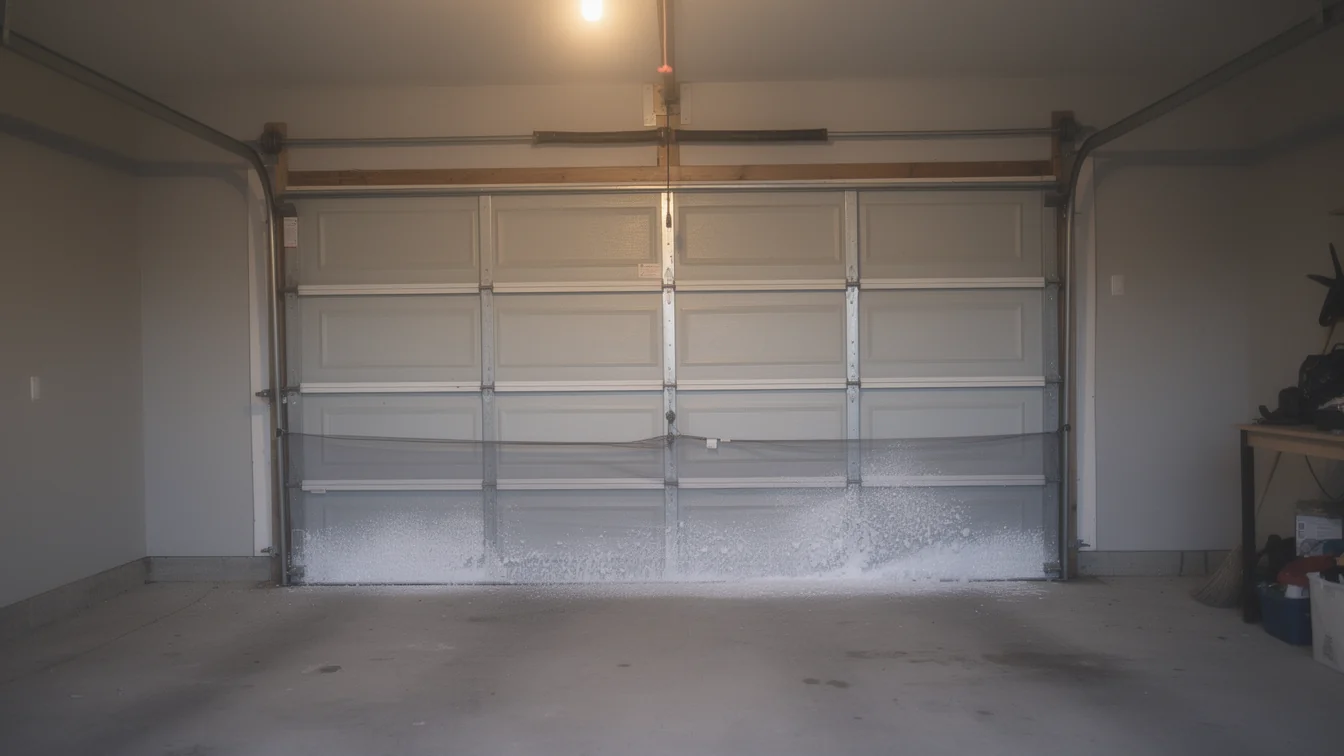
Because Texarkana sits in the moderate heat band rather than extreme, we don't get the brutal expansion-contraction cycles that wreck seals and warp panels in a single summer. What we do see is slower, cumulative wear - weatherstripping that hardens and cracks over years rather than weeks, and lubricant on rollers and hinges that dries out steadily rather than all at once. For a door built anywhere near that 1984 median, that slow wear has had three or four decades to compound. The fix isn't exotic: a seasonal check of the springs and a fresh coat of lubricant catches most of it before it becomes a Saturday morning no-opener problem. It's not glamorous work, but it's the difference between a 15-minute adjustment and a full spring replacement call.
Talk to a local pro
Garage door trouble in Texarkana?
Same-day service with honest, upfront quotes.