Local detail
What Local Conditions Do
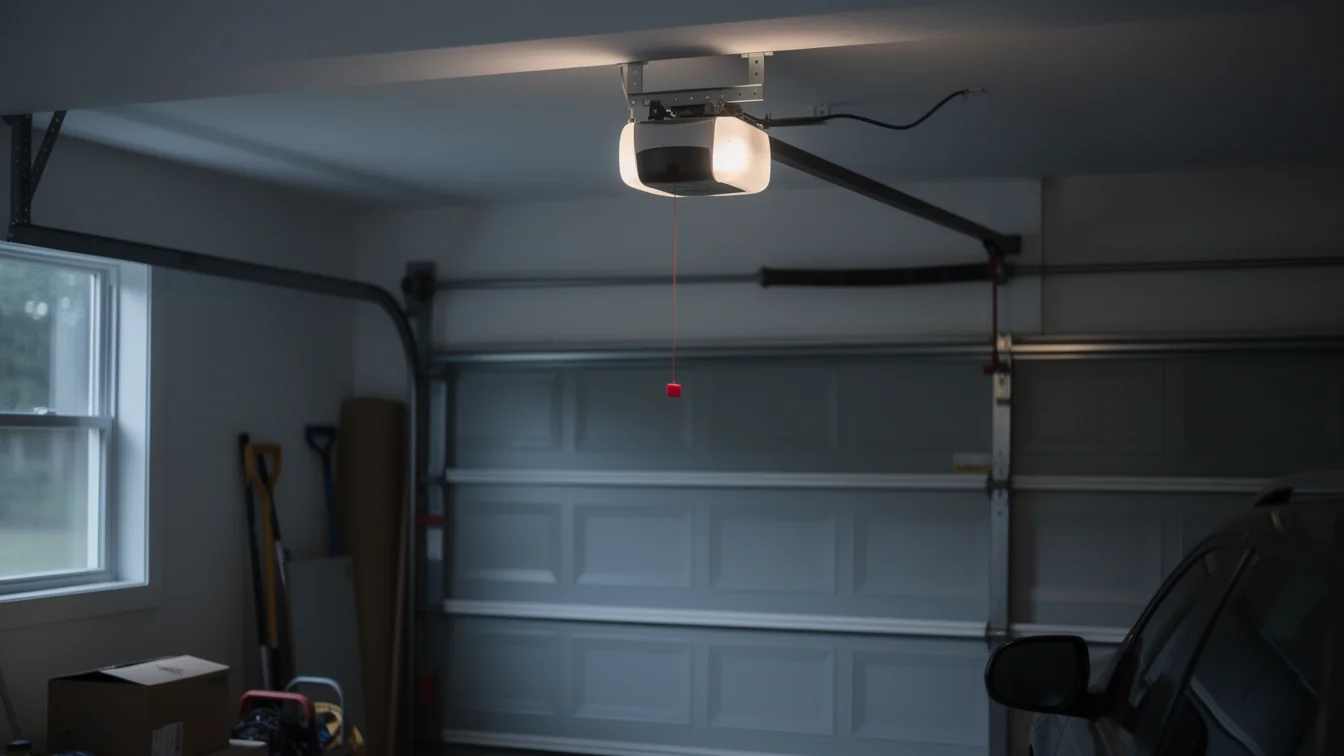
Most houses in this service area went up between 1971 and 1992, with the bulk of that stock dating to the 1980s and 90s across the six main pockets we work in. That means a lot of garage openers still running original chain-drive units, or a second-generation replacement installed sometime in the 2000s. Those units were built for a grid that didn't see the same summer load it does now. Our climate band here runs moderate heat, not the extreme end of the scale, but it's enough that attached garages - especially ones with that 1980s insulation standard, which is to say not much - run warmer than the house itself for months at a time. Heat doesn't just wear on belts and gears. It stresses the capacitor in the opener's logic board, and it's usually that board, not the motor, that quits first. If your opener is original to a house built in that 1971-1992 window, it's done more duty cycles than it was rated for, full stop.
The area
The Situation
With 7,235 households in the area and roughly 3,410 of those owner-occupied, a fair number of garages are original installs that nobody's touched since the house was built. Add a median household income of $51,346 and you get a pattern we see constantly: owners patch the opener instead of replacing it, because a full swap competes with other repairs on the list. That's a reasonable call, right up until the day a brief outage or brownout - common enough with grid strain in moderate-heat summers - scrambles the opener's memory or trips its internal breaker. The door won't respond to the remote, the wall button does nothing, and the first assumption is always a dead spring. Half the time it's just the opener's logic board that needs a reset or, if it's old enough, a replacement unit. We don't guess over the phone. If you can pull the manual release and the door moves freely by hand, the problem is electrical, not the door itself.
What we find
When to Call Someone
Call when the door won't open after a power flicker and manual release doesn't fix it - that's almost always the opener, not the springs or cables. Call also if your opener predates 2000 and you've had more than one dead-remote incident this year; at that age, parts are getting hard to source and a repair often costs most of what a new unit runs. We'll be straight with you: if your opener is original to a house from the 1971-1992 build window, replacing it usually makes more sense than chasing intermittent faults, and we'll tell you that instead of billing you for a third service call on the same unit. What we won't do is replace a board that just needs reprogramming after an outage - that's a ten-minute fix, and we'd rather do that than sell you a unit you don't need yet.
How we work
The Seasonal Bit
Our stretch of moderate heat means the worst stress on openers and door hardware lands in the hottest months, not the coldest. Garages built before modern code tend to trap heat, and that heat cycles the opener's electronics hard every single day it runs. If your house falls in that 1971-1992 build range, your garage was built to a standard from before openers carried battery backup as a common feature, so a power cut doesn't just inconvenience you, it locks the door shut until someone manually releases it. We can't promise same-day parts for every make and year, especially the older chain-drive units that are getting phased out - that's a real limitation and we'd rather say so than leave you waiting. What we can do is check whether your current setup is worth saving before you spend money chasing summer failures that'll just repeat next year.
Talk to a local pro
Garage door trouble in Texarkana?
Same-day service with honest, upfront quotes.