Local detail
What Local Conditions Do
Median housing stock across this service area was built in 1984, with most of the 1971-1992 run going up before garage doors carried any insulation requirement at all. If your house falls in that window, there's a decent chance the original door is a single layer of steel with no thermal break - just bare metal between your garage and the outside air. That doesn't make it a bad door, but it does mean it was never built to resist heat the way a modern insulated panel is. In a climate band that runs moderate-to-hot for a good stretch of the year, an uninsulated door lets that heat soak straight through the steel and sit in the garage, which raises the temperature on anything stored against that wall - including the opener's circuit board, paint cans, and in some cases a water heater. None of this is a defect. It's just what a 40-year-old door was designed to tolerate, which was less than what we ask of a garage today.
The area
The Situation
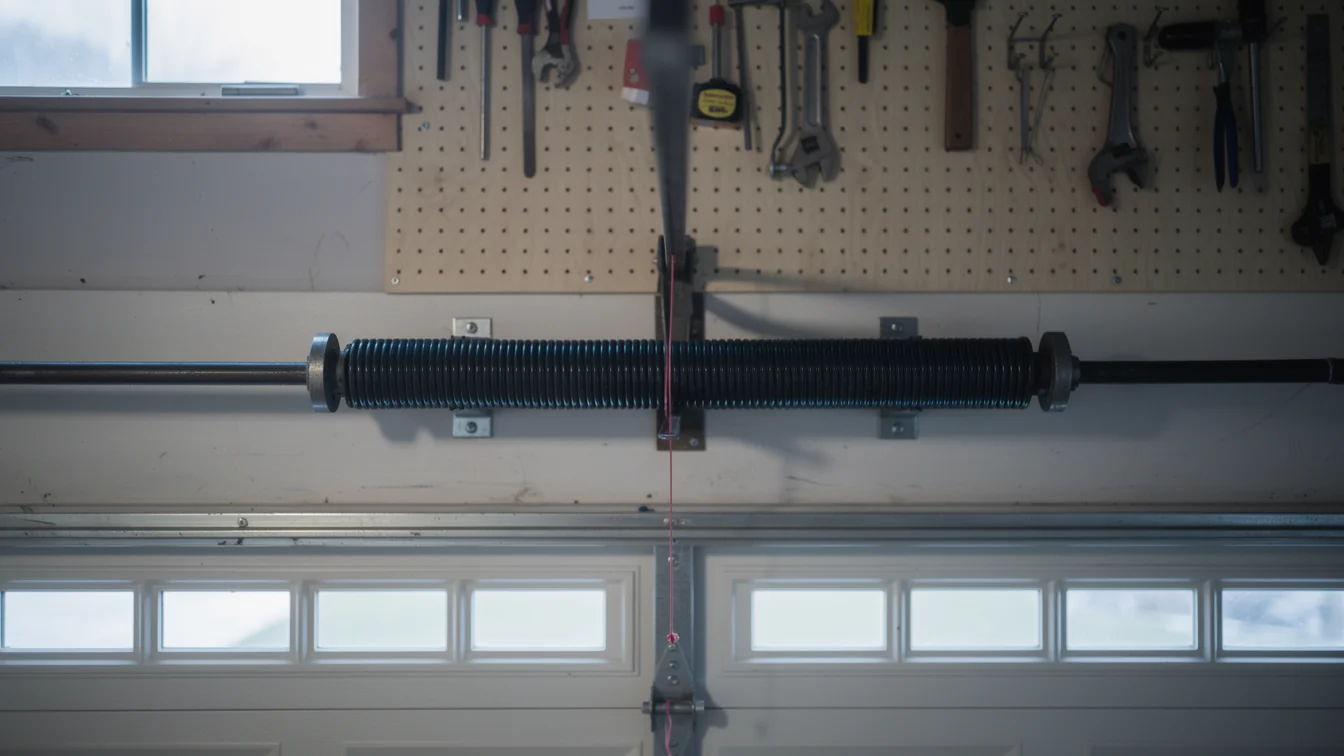
Across the roughly 7,235 households in this service area, with about 3,410 of those owner-occupied houses, a big share were built in that same 1971-1992 stretch - meaning a big share of doors, springs, and track hardware are original or close to it. A torsion spring rated for 10,000 cycles doesn't care what decade it was installed, but a door built before lighter composite panels became standard is heavier on that spring, which means it wears through its rated cycles faster on an older setup than it would on new gear. At a median household income of $51,346, replacing a door outright isn't always the first move people want to make, and it doesn't have to be - a lot of these doors are structurally fine and just need the spring, rollers, or weatherstrip brought up to where they should be.
What we find
When to Call Someone
If your door is original to a house from that 1971-1992 era and it's starting to sag at the bottom corners, binding on the track, or taking two tries on the opener, that's wear catching up to original hardware, not necessarily a sign the whole door needs to go. Call before the spring actually snaps - a door that's noticeably heavier to lift by hand than it used to be is telling you the spring is losing tension, and finishing that job yourself with a torsion spring under load is not a safe DIY repair. We'll be straight with you: if the door itself is rusted through the bottom panel or the track is bent beyond adjustment, replacement is the honest answer over patching it again.
How we work
The Seasonal Bit
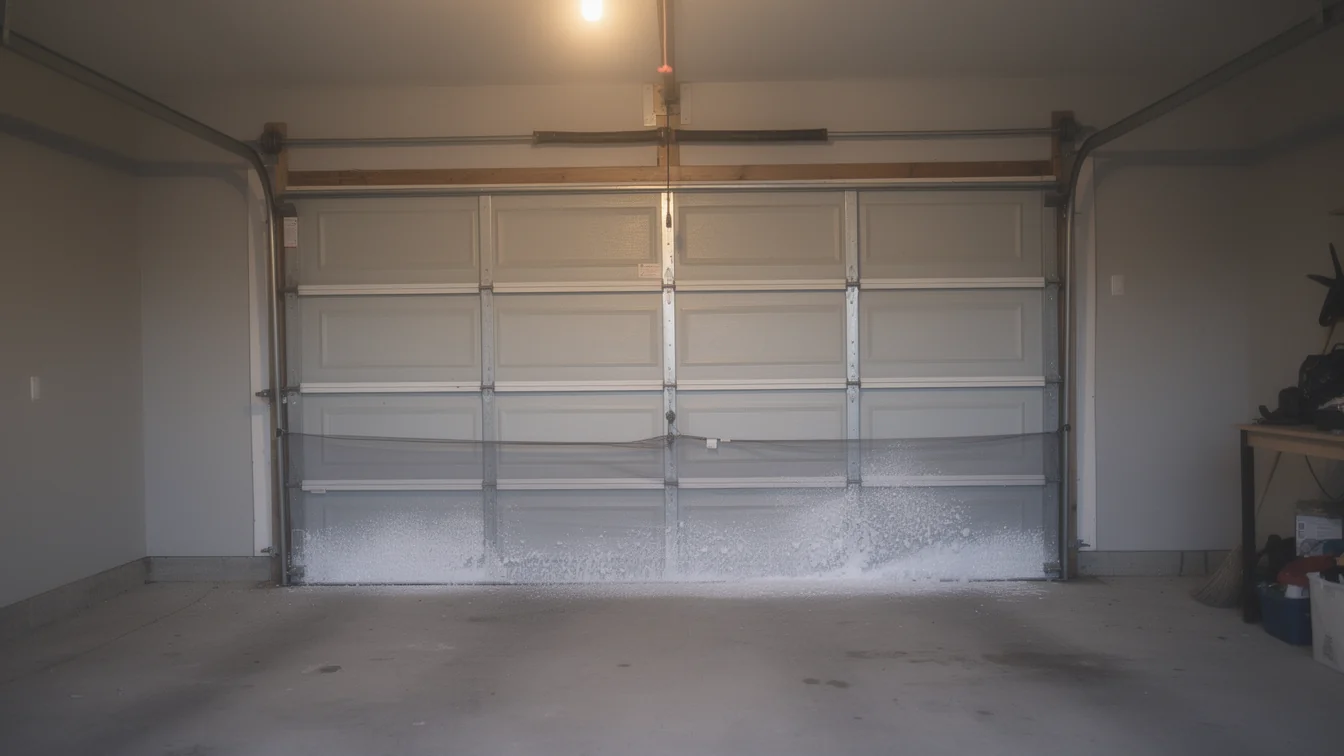
With a moderate heat climate band here, the stress on a garage door isn't dramatic freeze-thaw cycling - it's steady summer heat expanding steel panels and drying out old weatherstrip until it cracks and lets in dust and warm air. An uninsulated door from the 1980s build era has no barrier against that, so the garage runs hotter than an insulated door would allow, which matters if the opener's board, a freezer, or stored paint lives on the other side of that wall. The fix isn't complicated: new weatherstrip and a bottom seal cost little and do most of the work, and full insulation retrofit kits exist for doors that were never built with a thermal layer. Neither is urgent the way a failed spring is, but both are worth doing before the hottest stretch of the year rather than during it.
Talk to a local pro
Garage door trouble in Texarkana?
Same-day service with honest, upfront quotes.