Time on the Job
Most of the calls we run in Texarkana trace back to the same window of construction. Housing across the service area went up mostly between 1971 and 1992, with the bulk of it dated to the 1980s and 90s across six named areas of town. That means a lot of original torsion springs, first-generation chain-drive openers, and steel track that's never been swapped out. We're not guessing at what's behind the door before we get there - a house from this era tells us most of what we need to know before we pull the truck in the driveway. A door on a 1986-built house in this town is carrying different hardware than a door built last year, and the fix looks different too. That's the job: matching the repair to the actual age of the part, not a generic service call.
What You Are Seeing
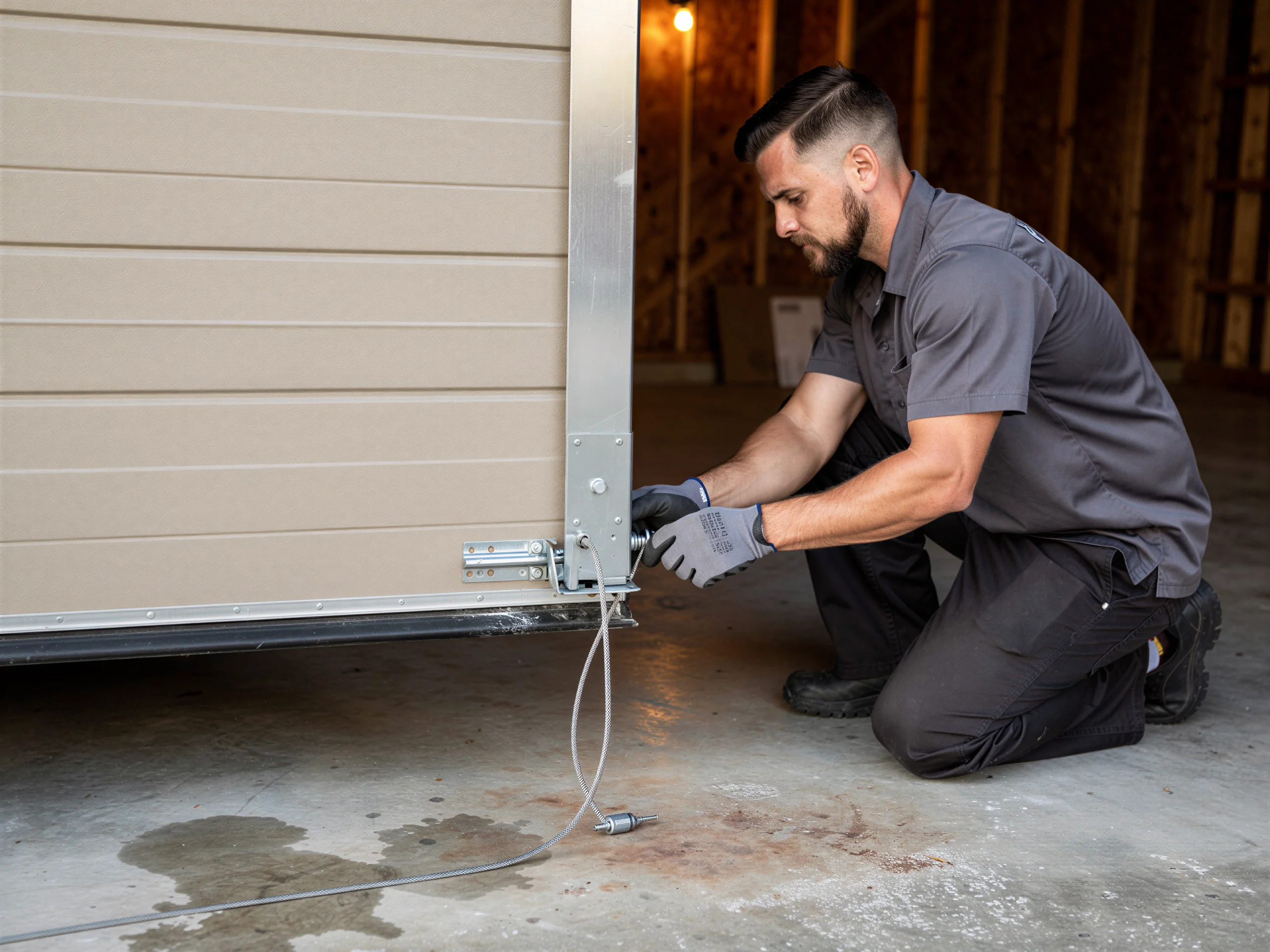
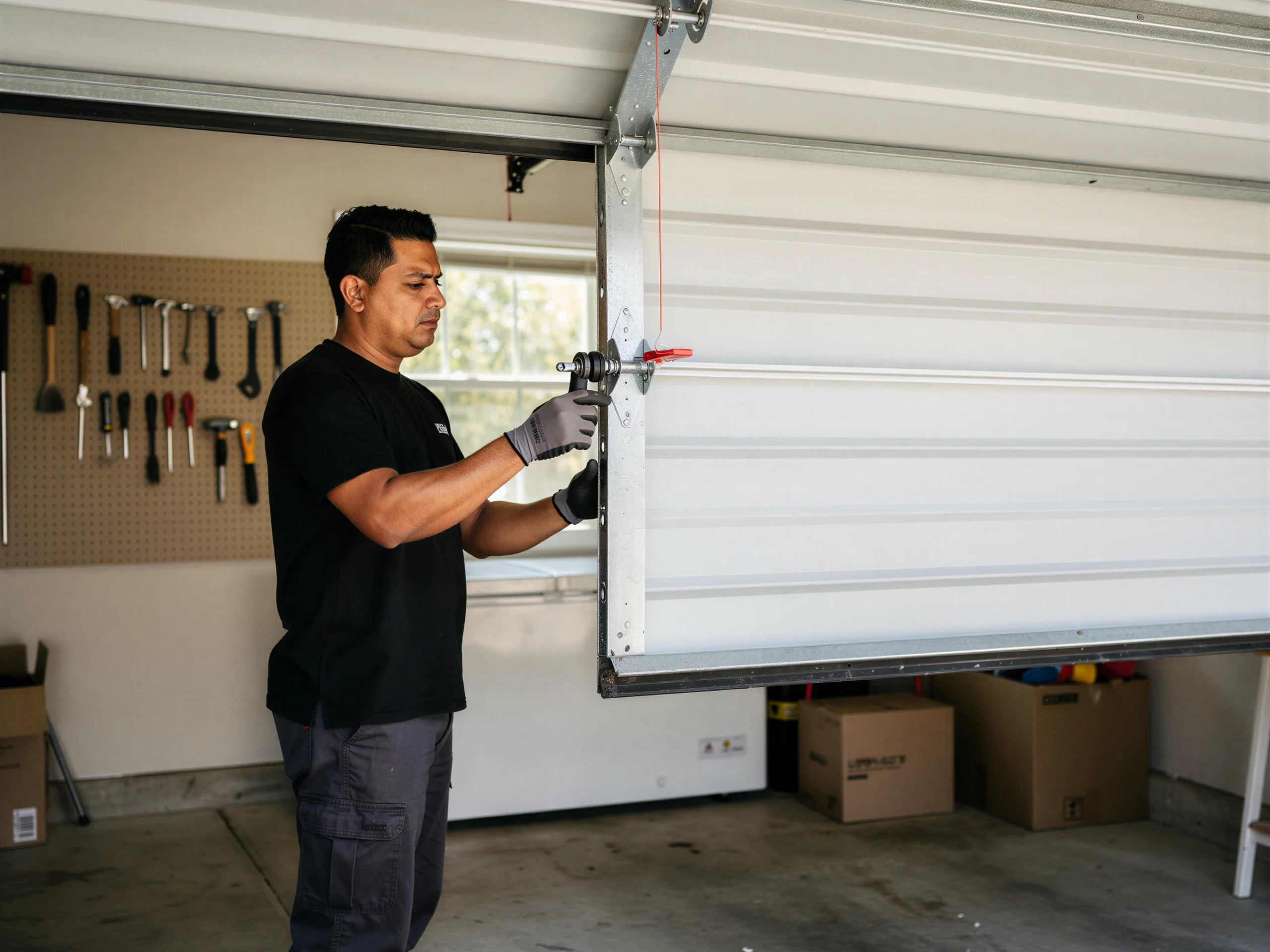
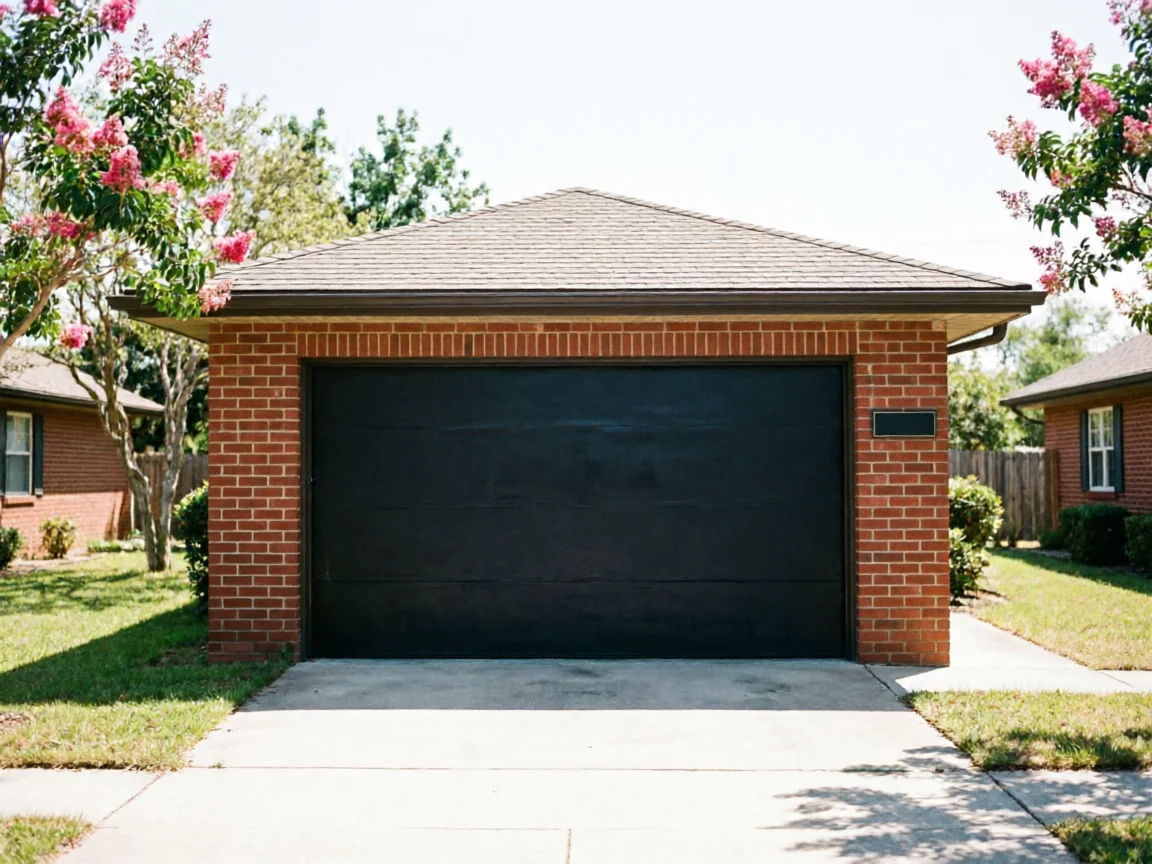
If your door is slamming the last foot of travel, that's usually a torsion spring that's lost tension - common on doors from the 1980s stock that never got a spring swap.
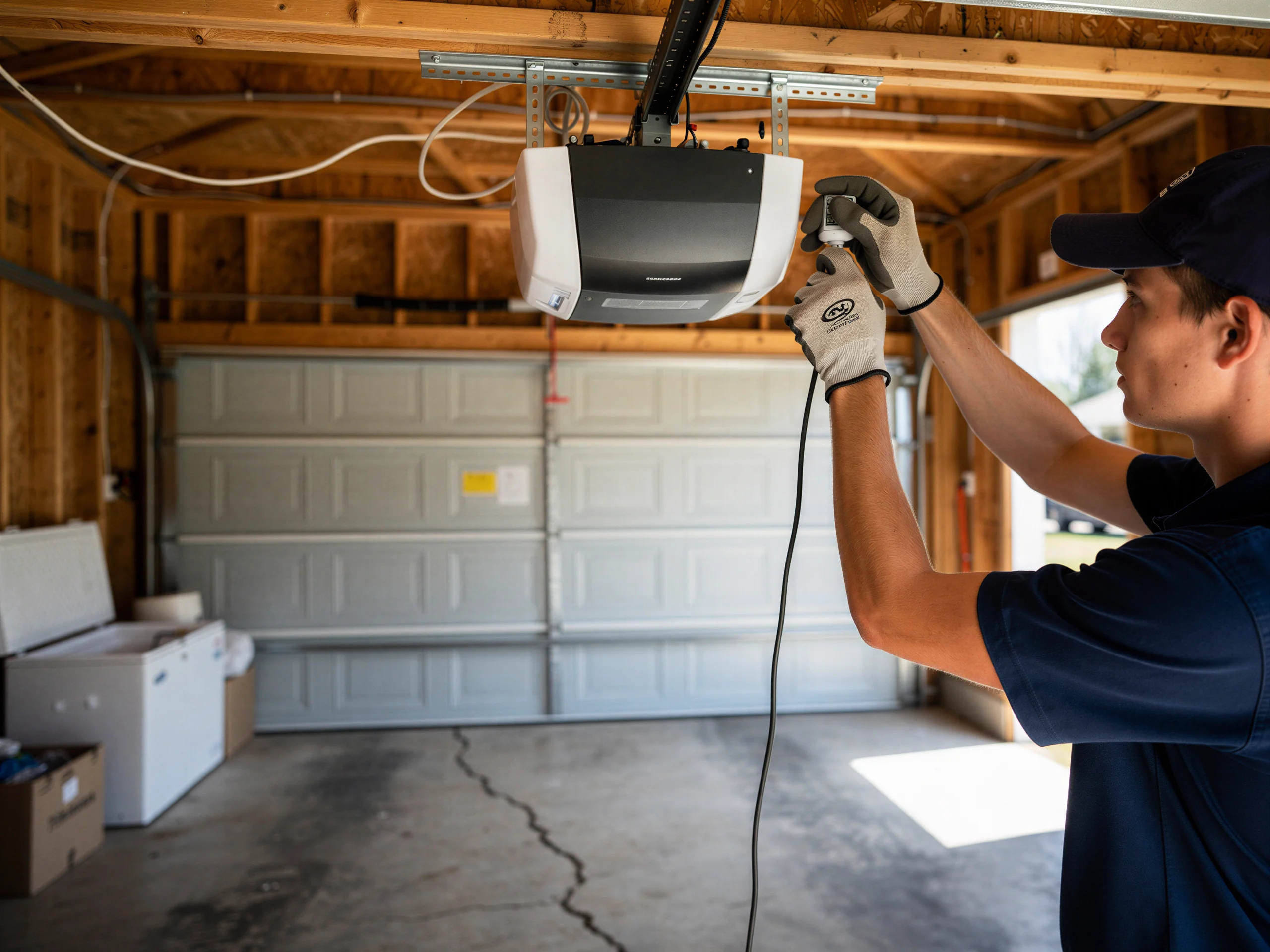
Worn opener gear symptoms
If the opener grinds, hesitates, or trips the breaker, you're likely looking at a chain-drive unit old enough to have outlived its gears, which lines up with openers installed when these subdivisions were first built out.
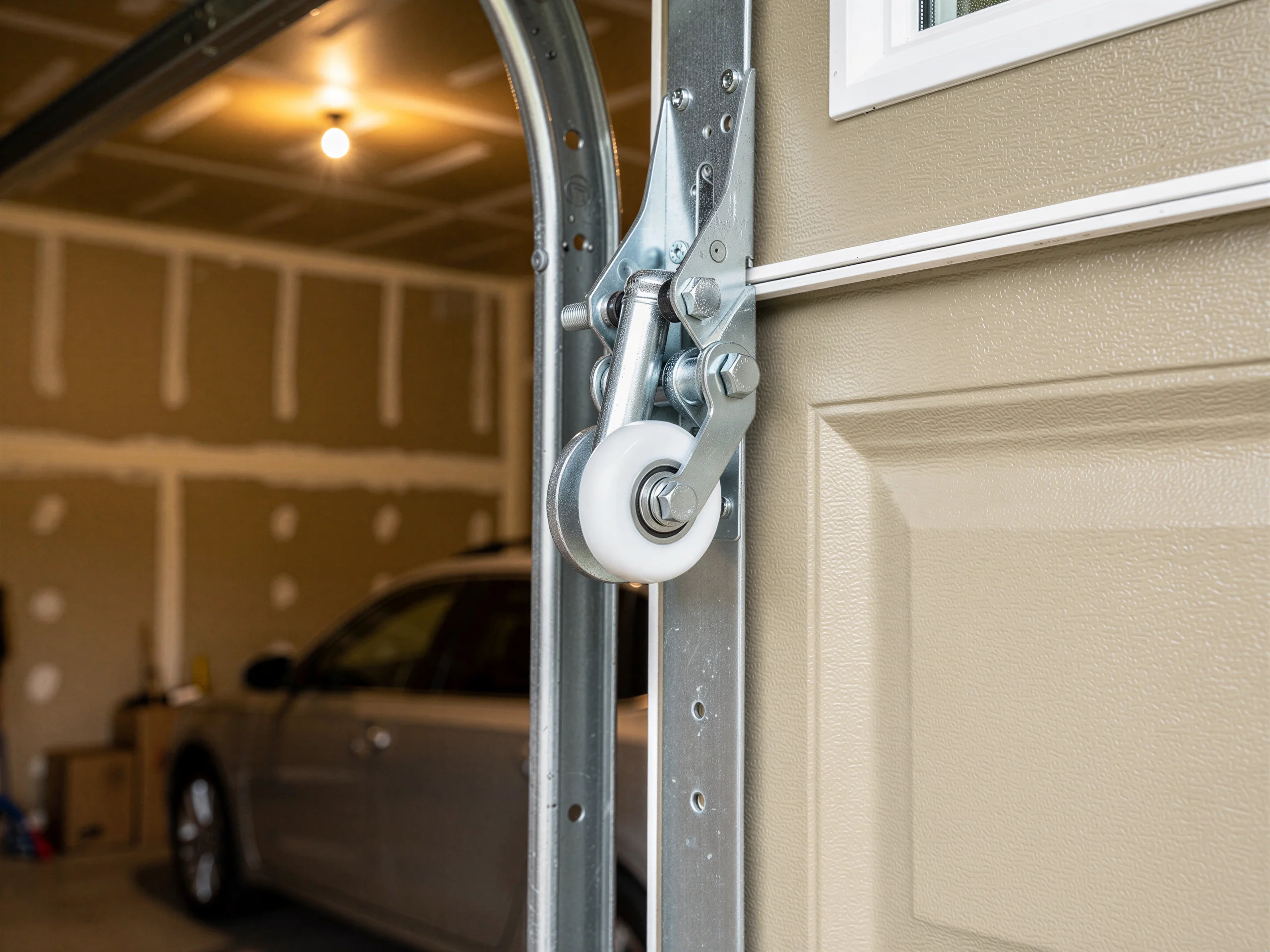
Loose track mounting screws
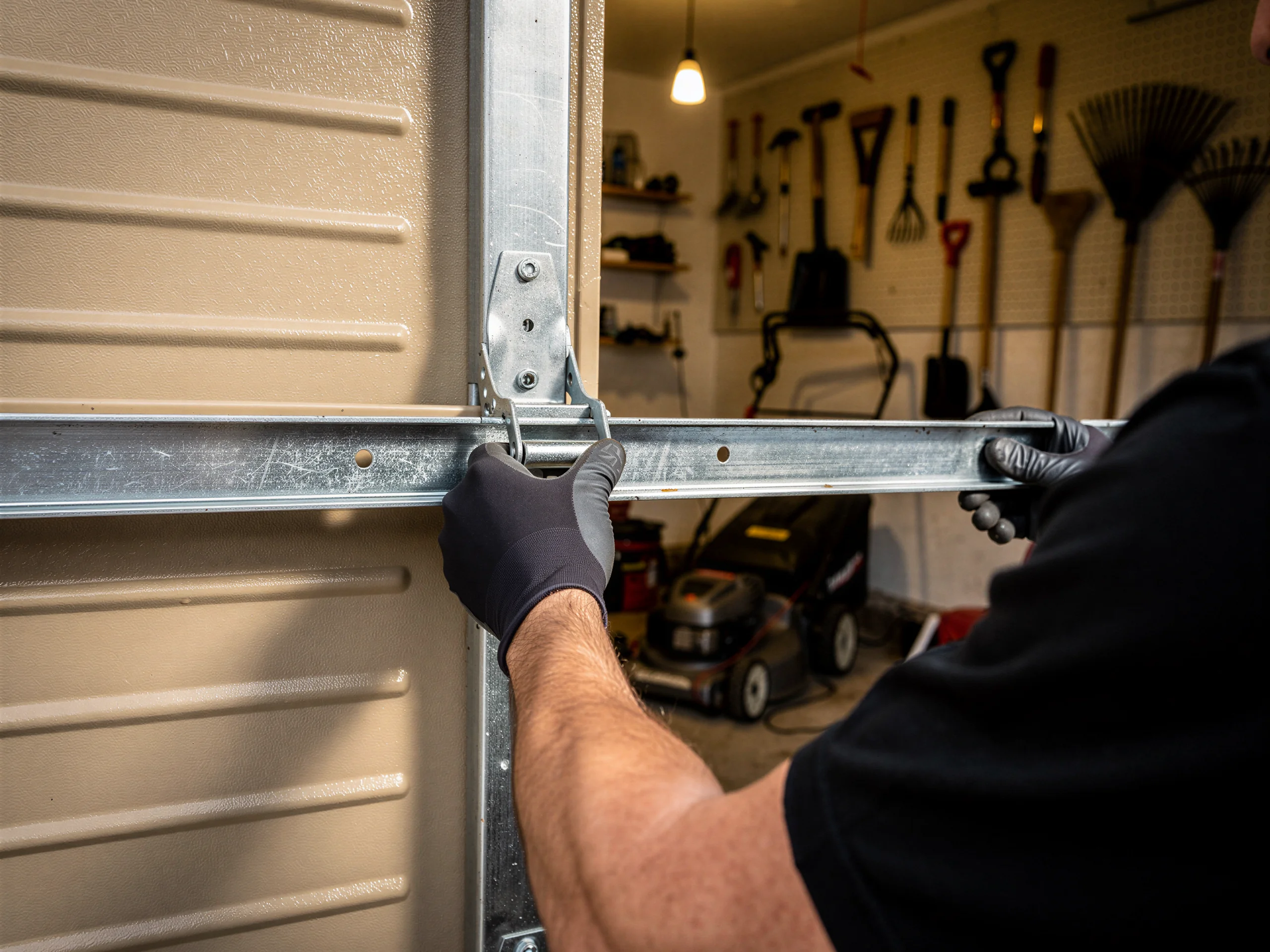
Tracks that have worked loose from the jamb show up often on houses from the 1971-1992 build range, where the original mounting hardware has had three or four decades to work its screws loose.
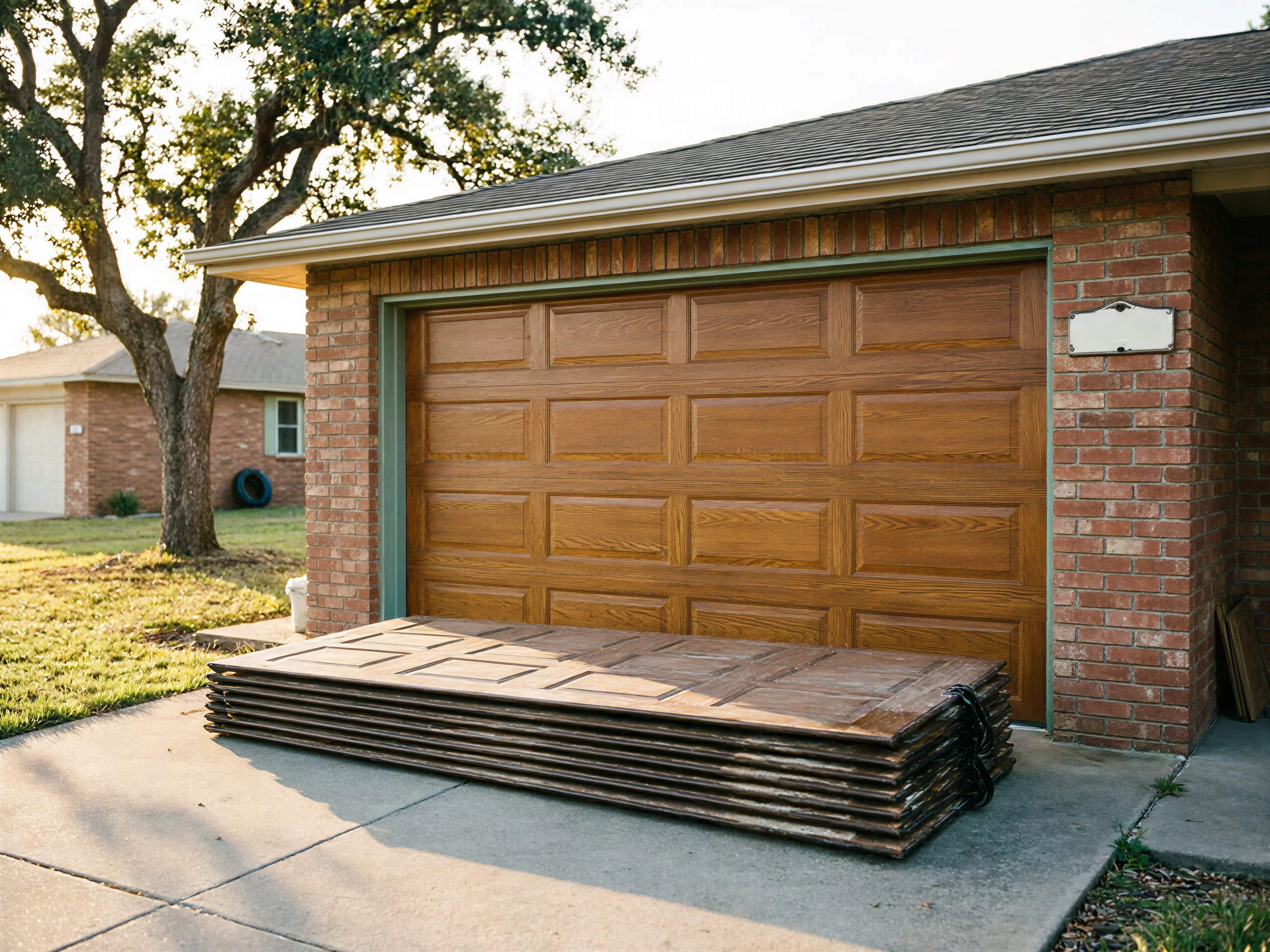
Same wear across neighborhood
None of this is unique to one house - it's the pattern across a service area where 3,410 owner-occupied houses share roughly the same age of door and opener.
Why It Happens Here
Texarkana sits in a moderate-heat climate band, not a brutal one, so the failures we see aren't from extreme thermal cycling the way they might be in a harsher zone. What drives the calls here is simpler: age catching up with hardware that was built for an earlier standard. A torsion spring rated for a certain cycle count in 1984 has had forty years to reach the end of that count, heat or no heat. Steel panels from that era are thinner than what's sold today, so dents and rust at the bottom panel show up sooner. Across the service area - Nash and Wake Village three miles out, Leary at seven, Hooks and Redwater further still - the housing age is consistent enough that the same failure modes repeat house after house, which is why we stock parts for this specific generation of door rather than chasing a dozen different eras.
The DIY Question
Some of this you can handle yourself. Lubricating rollers and hinges, tightening loose bolts on the track, clearing the photo-eye sensors - all reasonable weekend jobs.
Torsion springs off-limits
A torsion spring is not one of them. It's under enough stored tension to break a bone or worse, and on the double-door torsion setups common in this housing stock, there's no safe way to eyeball the winding bars.
Repair, not replacement
We also won't talk you into replacing a door that just needs a spring and a service call - if the panels are sound and the opener's under ten years old, fixing the one broken part is the honest answer, even though a full replacement pays better.
Repairing one part only
Where we draw the line: if the opener and the springs are both original to a house built in the 1970s or 80s, repairing one without the other usually just means a second call in a year.
Talk to a local pro
Garage door service in Texarkana?
Same-day service with honest, upfront quotes.