Time on the Job
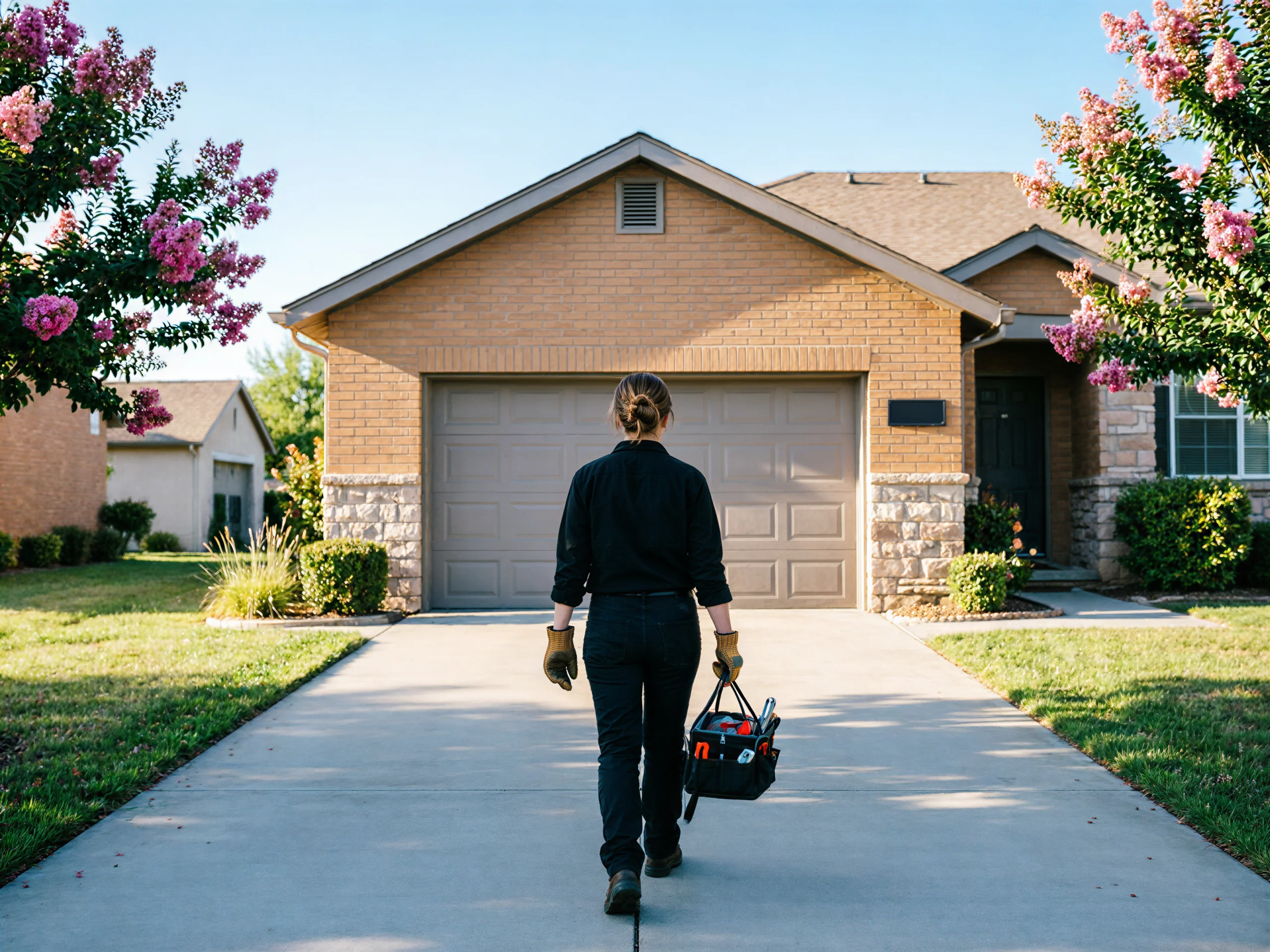
We run calls across the Texarkana service area, out to Nash and Wake Village, both about three miles from the shop, and further out to Leary, seven miles east, Hooks at eleven miles, and Redwater at twelve.
Mixed daily service calls
We also get calls from homes just west of the base near N.A.S., about two miles out. A day usually mixes a spring job, a tune-up, and at least one opener that's quit mid-cycle.
Special-order circuit boards
We don't stock every opener logic board on the truck - some circuit boards for older units are special order, and if yours needs one, we'll tell you straight instead of guessing at a fix that won't hold. Most of what we see isn't exotic.
Repeat failures across homes
It's the same handful of failures showing up on houses built in roughly the same twenty-year window, which is most of what's standing in this part of town. That repetition is useful - it means we know what to check first instead of working through a long list of maybes.
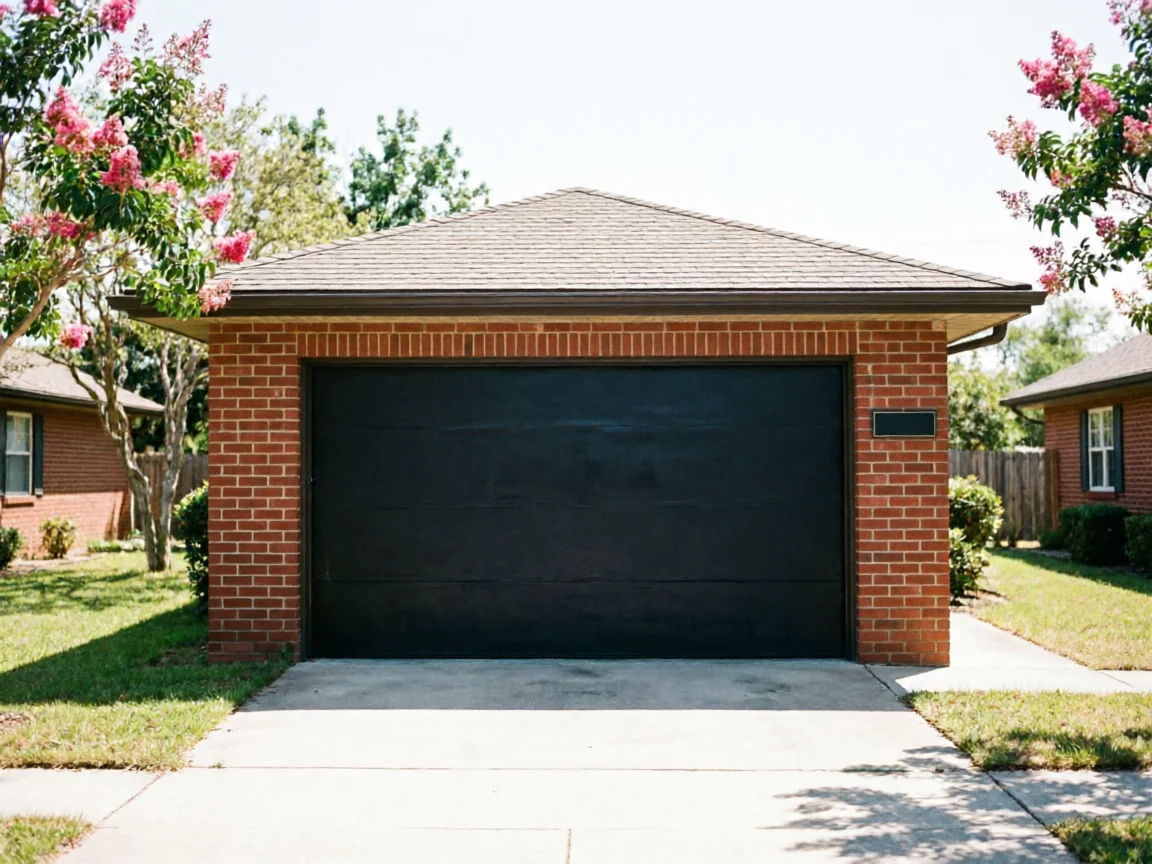
What You Are Seeing
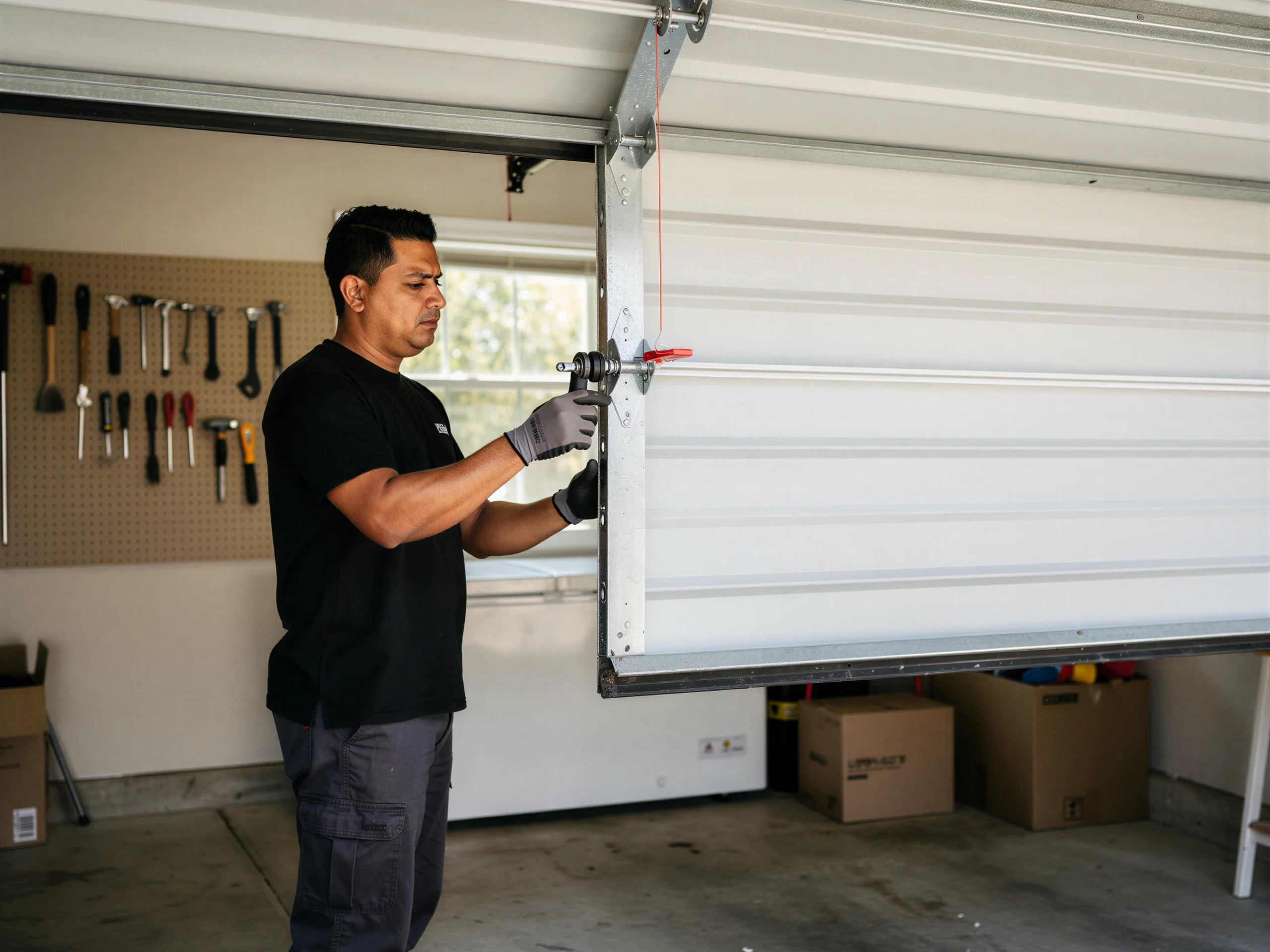
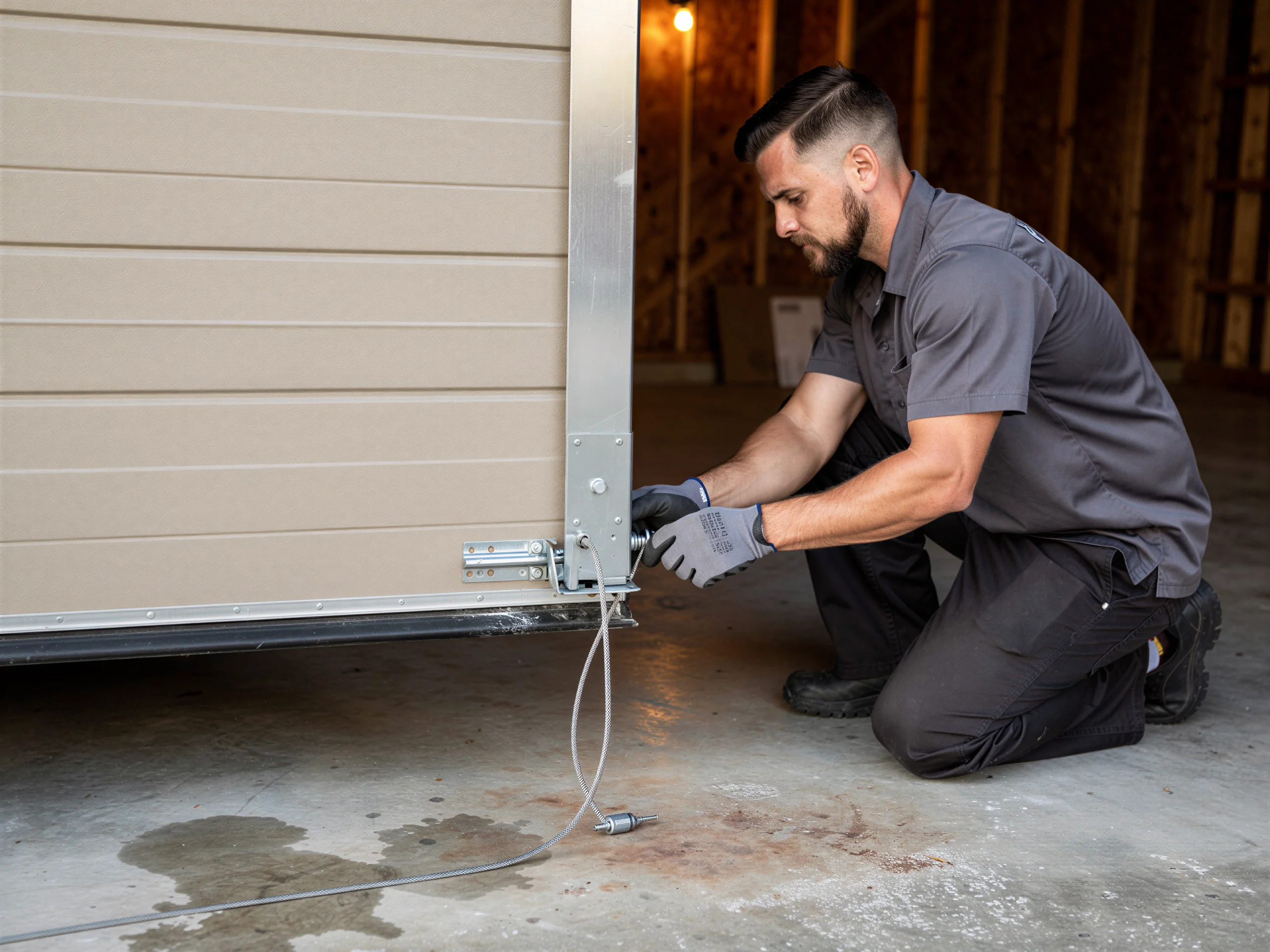
The door hesitates before it lifts, or it starts up and then drops back down like something let go. Sometimes it's a loud bang from the garage followed by a door that won't budge - that's almost always a broken torsion spring, not the opener.
Weak spring, strained motor
Other times the opener runs but the door barely moves, which usually means the spring is still intact but weak, and the opener motor is doing work it was never built to carry alone.
Door riding crooked
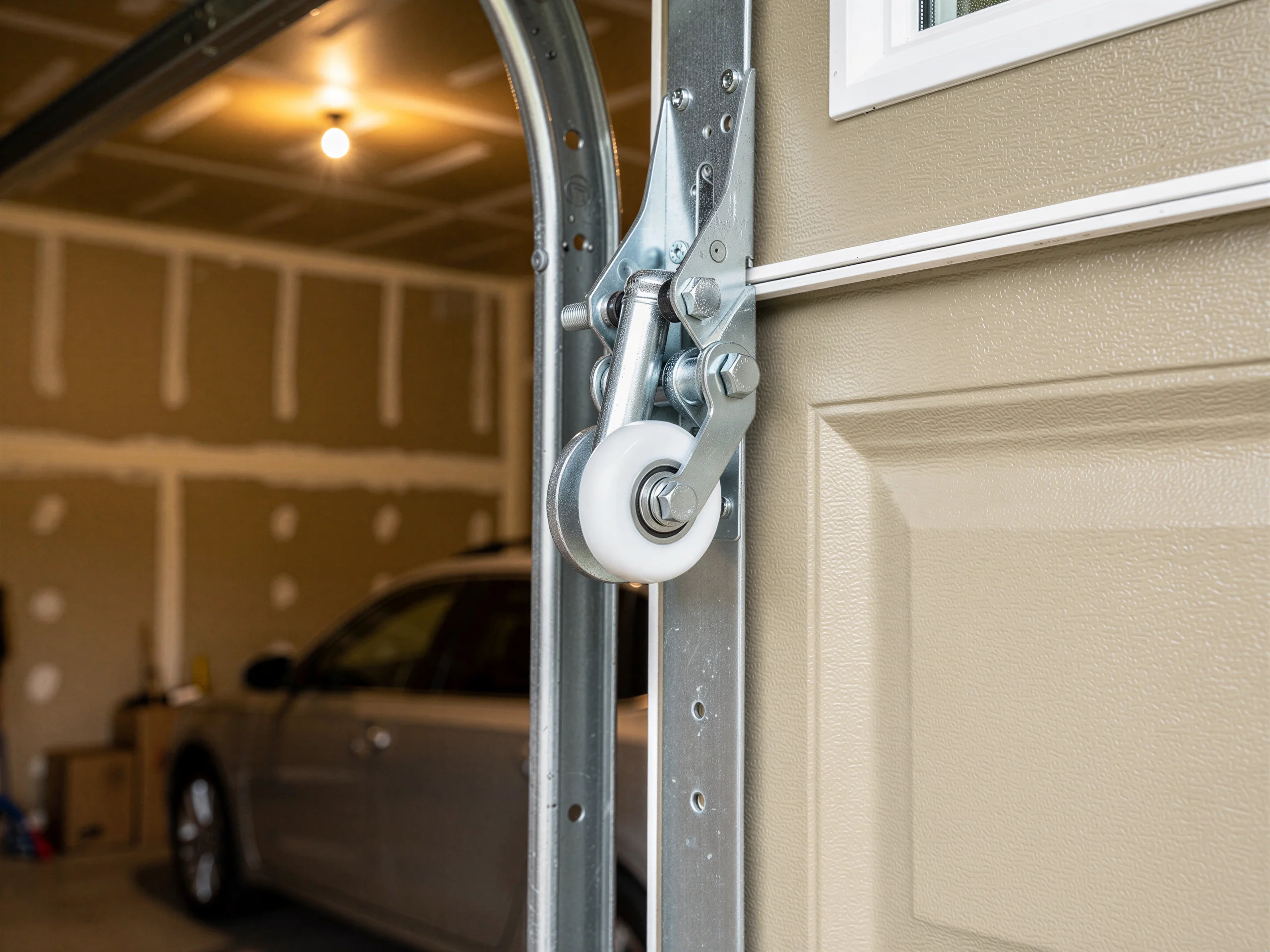
You might also notice the door riding crooked, catching on one side of the track before it clears the opening. None of these are rare. They're the normal way a thirty-to-fifty-year-old spring and track system tells you it's done, or close to it.
Symptoms can mislead
The symptom doesn't always match the part at fault, which is why a phone diagnosis only gets you so far - we want eyes on the spring, the cables, and the track before we say what's actually wrong.
Why It Happens Here
Most of the houses in this service area went up between 1971 and 1992, with a lot of that stock dating to the 1980s and 90s across the six main areas we work. That means a large share of the garage doors, springs, and openers out there are original equipment, or close to it - nobody's replaced them because nothing's failed outright yet, until it does. Age alone wears out torsion springs through metal fatigue, no matter where the house sits. What speeds that up here is the heat. Texarkana's summer temperatures sit in a moderate-heat band, and that steady warm stretch dries out the grease packed into a torsion spring's coils and breaks down the nylon gears inside older opener gearboxes faster than it would in a cooler region. A spring rated for a certain number of cycles doesn't care about the calendar, but heat shortens the clock on the lubricant protecting it.
The DIY Question
A torsion spring is under enough tension to do real damage if it lets go while you're working on it, and that's not a job we'll walk you through over the phone.
Unplug before calling
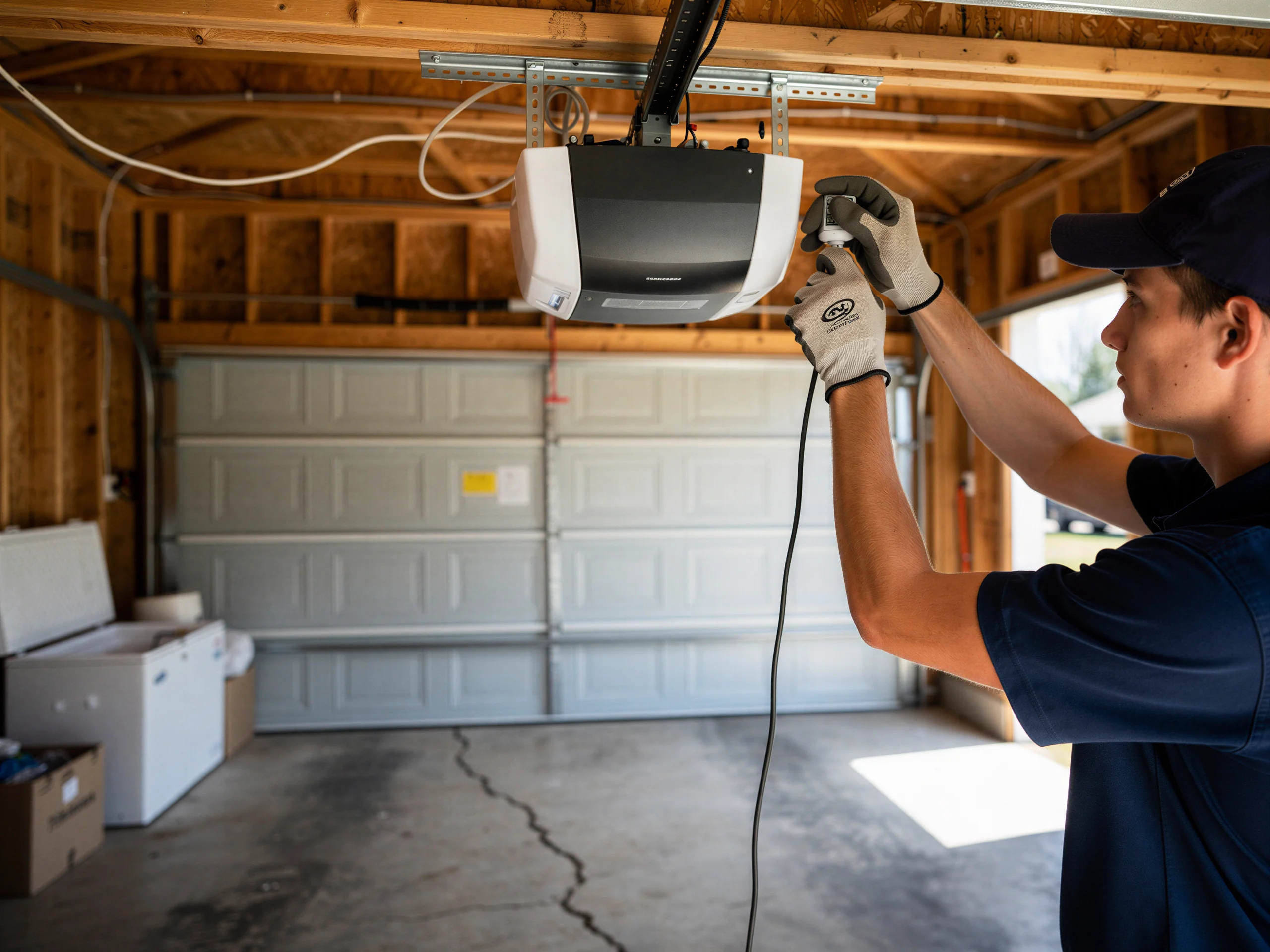
If your door has a broken spring, the safe move is to leave the door down, unplug the opener so nobody tries to force it, and call someone out.
Safe homeowner maintenance
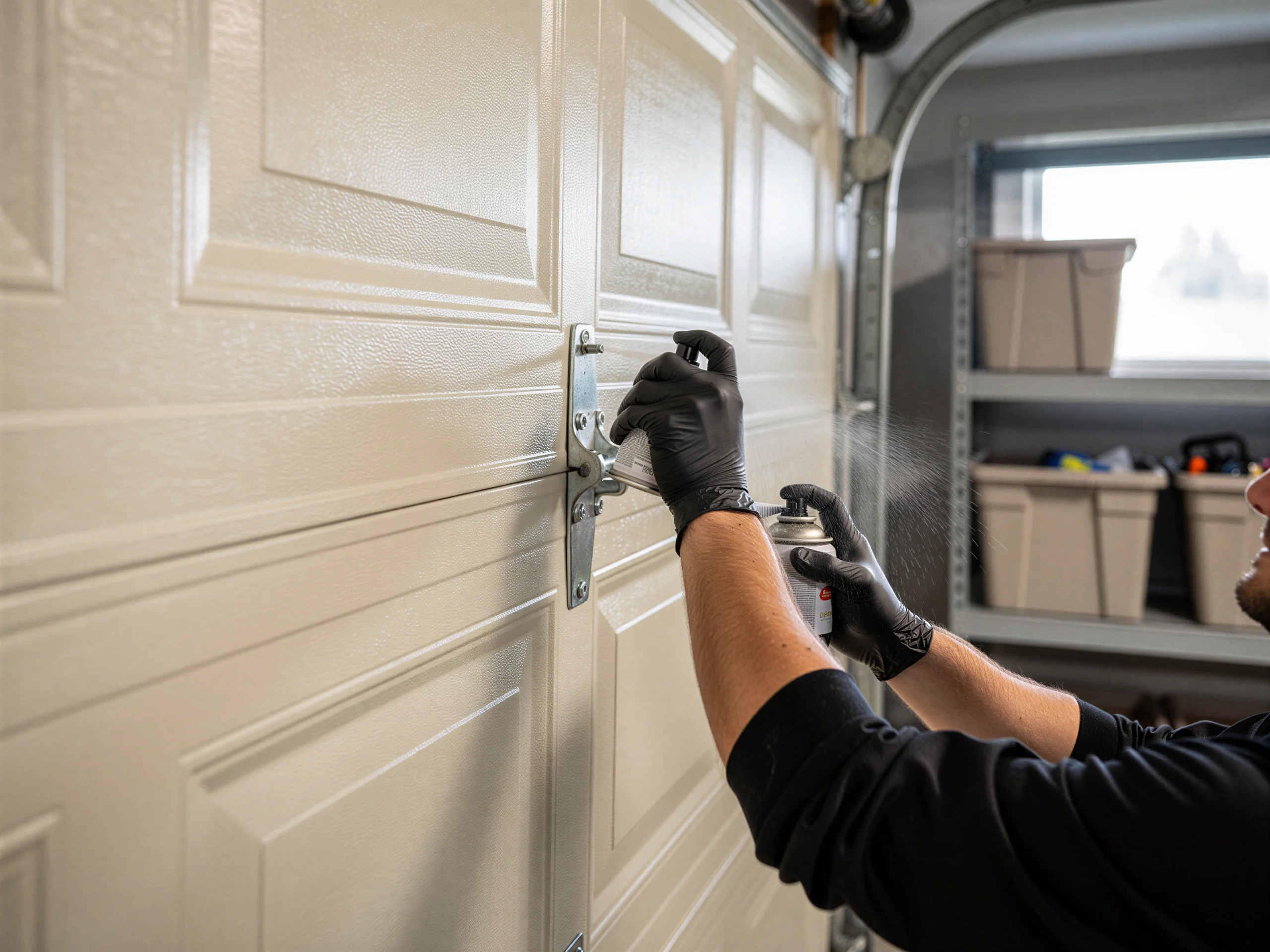
Where DIY makes sense is lighter maintenance - lubricating hinges and rollers, tightening loose bolts on the track brackets, checking the photo-eye sensors are aligned. Those are reasonable for a homeowner to handle. What's not reasonable, and what we won't recommend you attempt, is spring replacement, cable work, or anything involving the torsion bar.
Tune-up over replacement
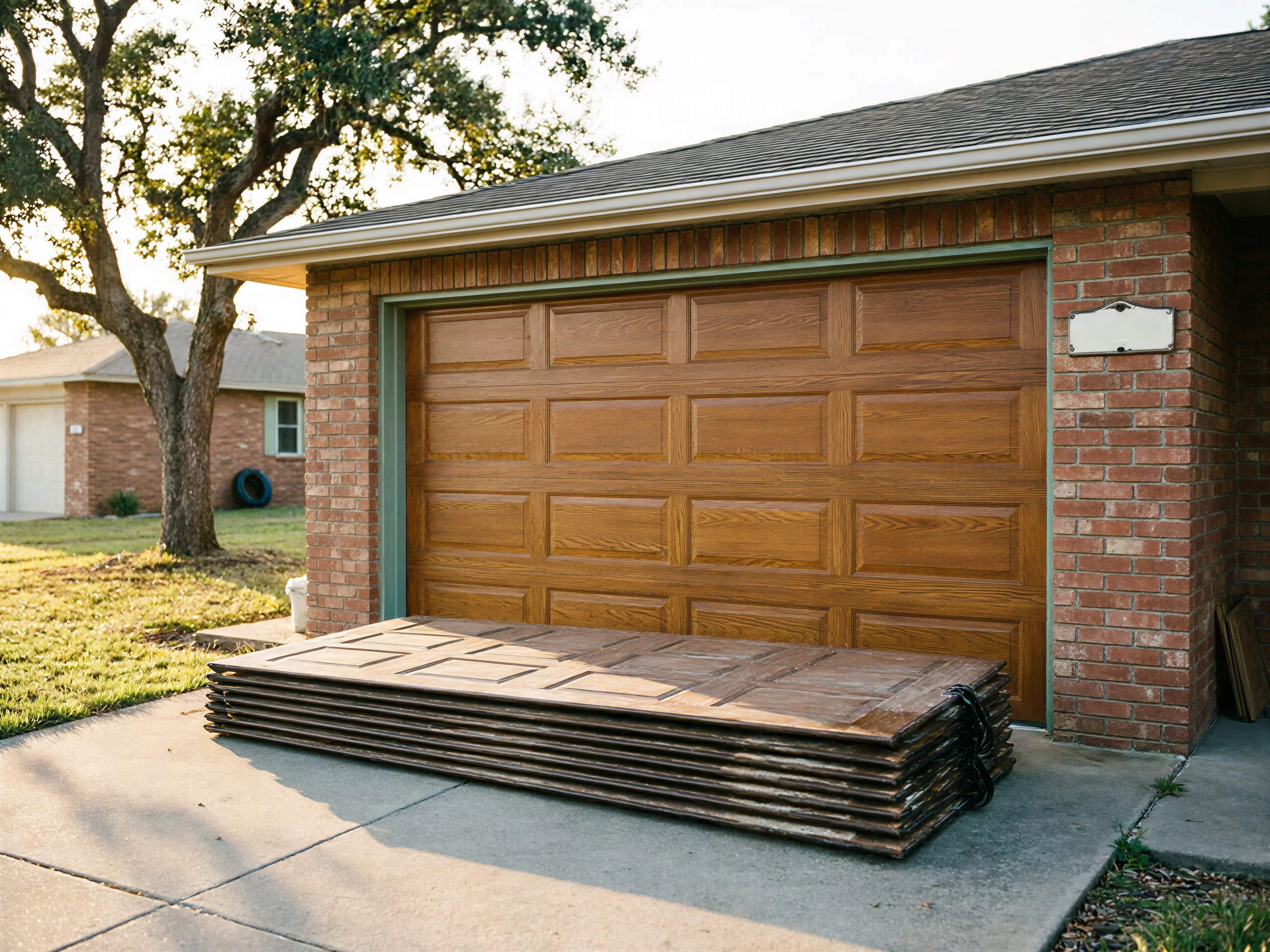
We also won't tell you to replace a whole door and opener system when a spring and a tune-up will get another decade out of it - with a median household income around $51,346 in this area, we'd rather fix what's fixable than upsell a job nobody needs yet.
Talk to a local pro
Garage door service in Texarkana?
Same-day service with honest, upfront quotes.