Time on the Job
Most garages in Wake Village were built with a single steel door, 16 by 7 feet for a two-car bay, hung in 1985 give or take a couple of years - that lines up with the wider build window of 1971 to 1992 across this part of the service area.
Builder-grade raised panels
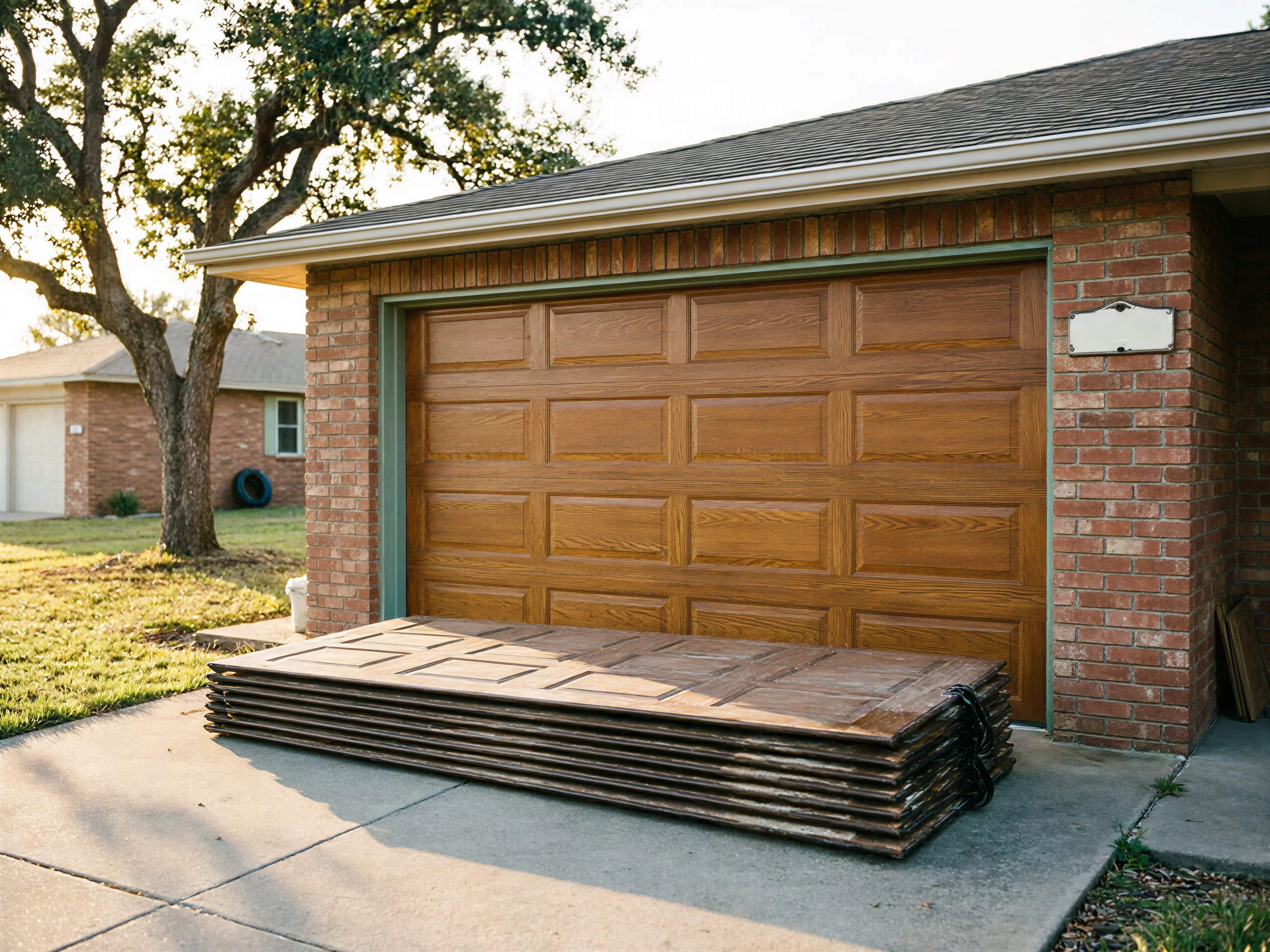
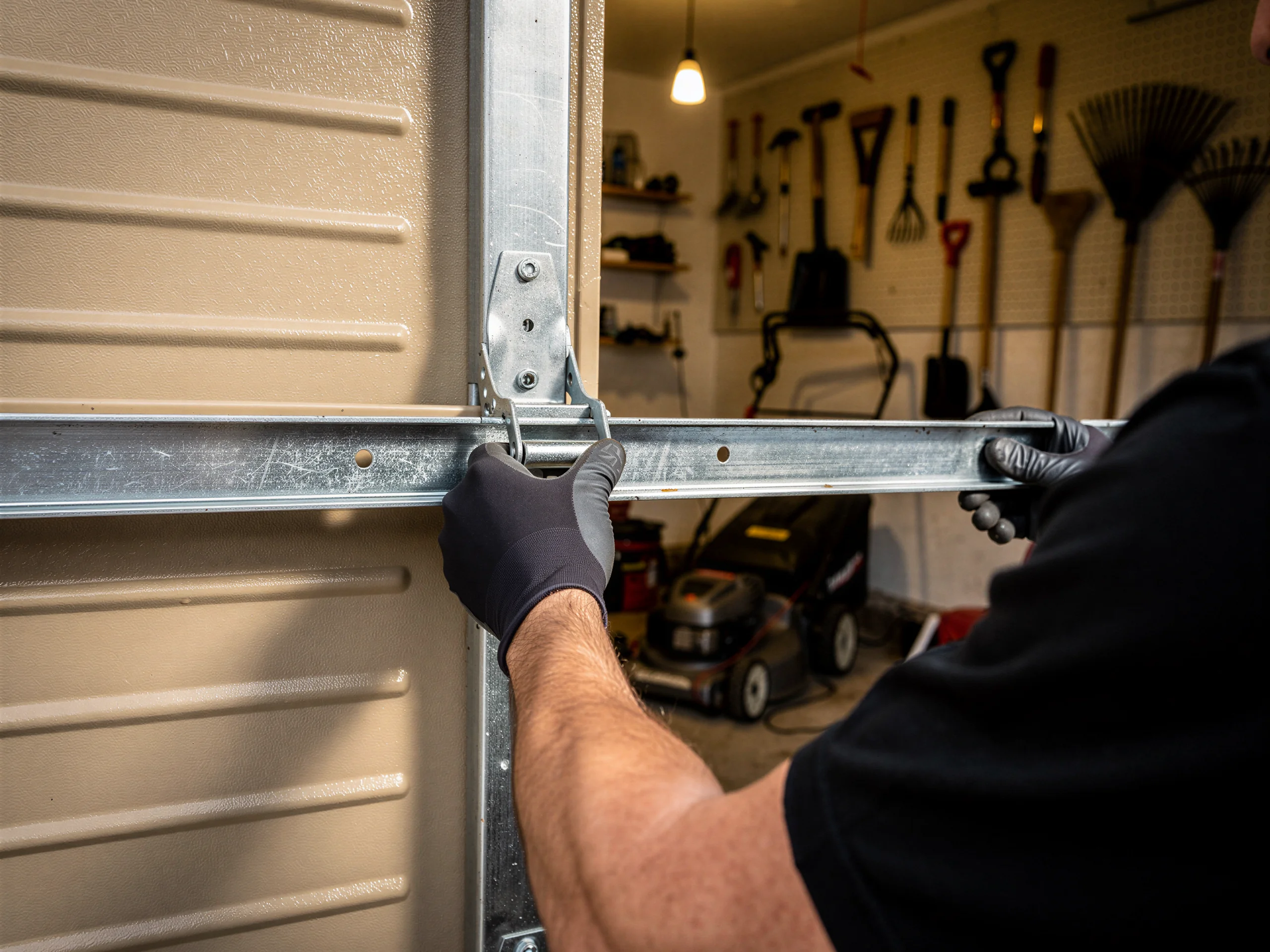
These are raised-panel steel doors on galvanized track, the standard builder-grade unit of that era, not the insulated or custom doors you see on newer construction. At 2,285 households, Wake Village is a small, dense pocket just three miles from our shop in Texarkana, which means a tech can be looking at your door shortly after the call instead of burning half a day on the road.
Route position advantage
We don't staff a branch out here - we run the job from Texarkana - but the short drive means Wake Village doesn't sit at the bottom of the route the way the farther towns do.
Previously replaced parts
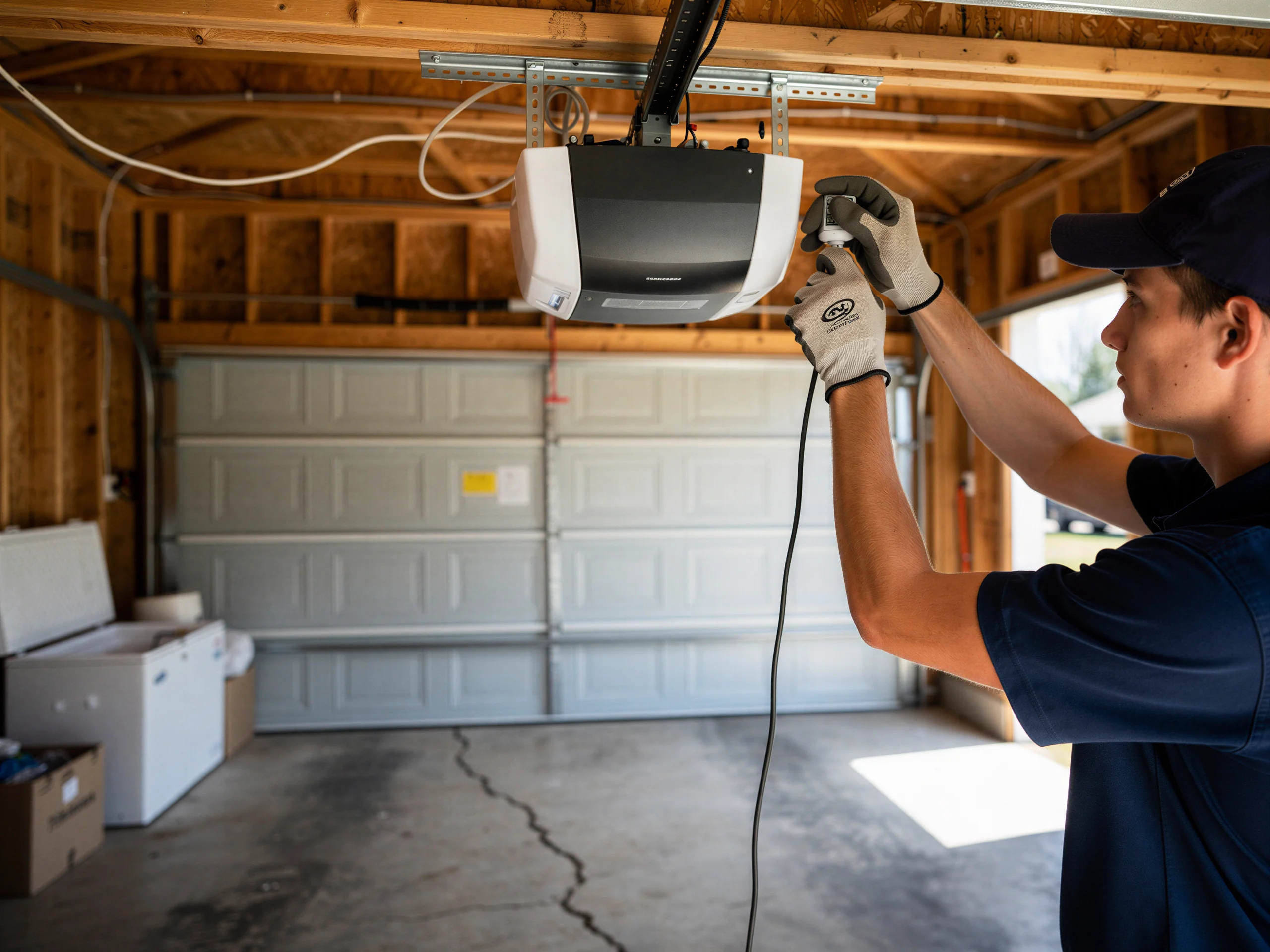
A door from 1985 isn't ancient, but it's old enough that the torsion spring has usually been replaced once already, sometimes twice, and the opener is often a second or third unit bolted onto the original bracket.
Stocked Parts
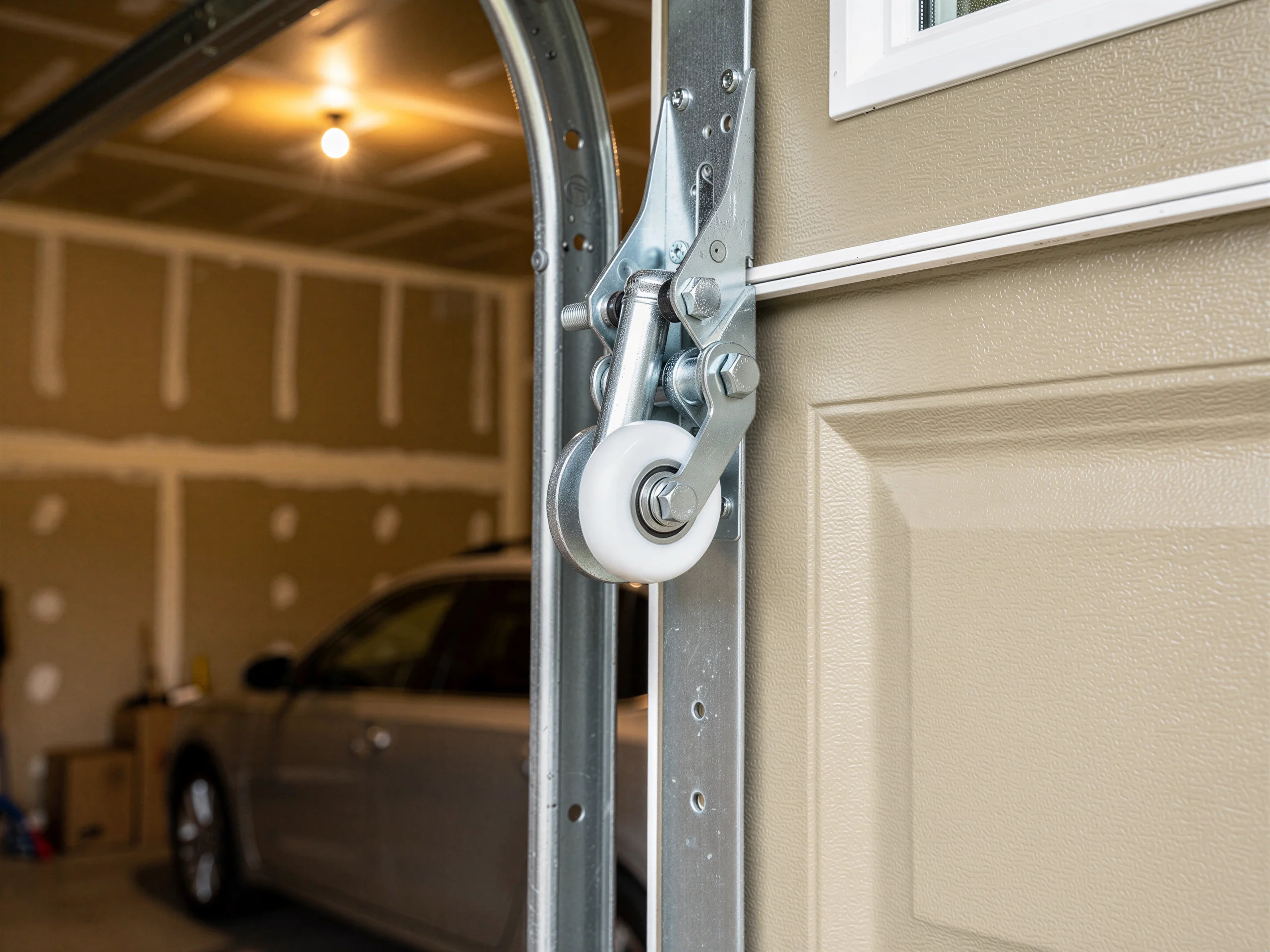
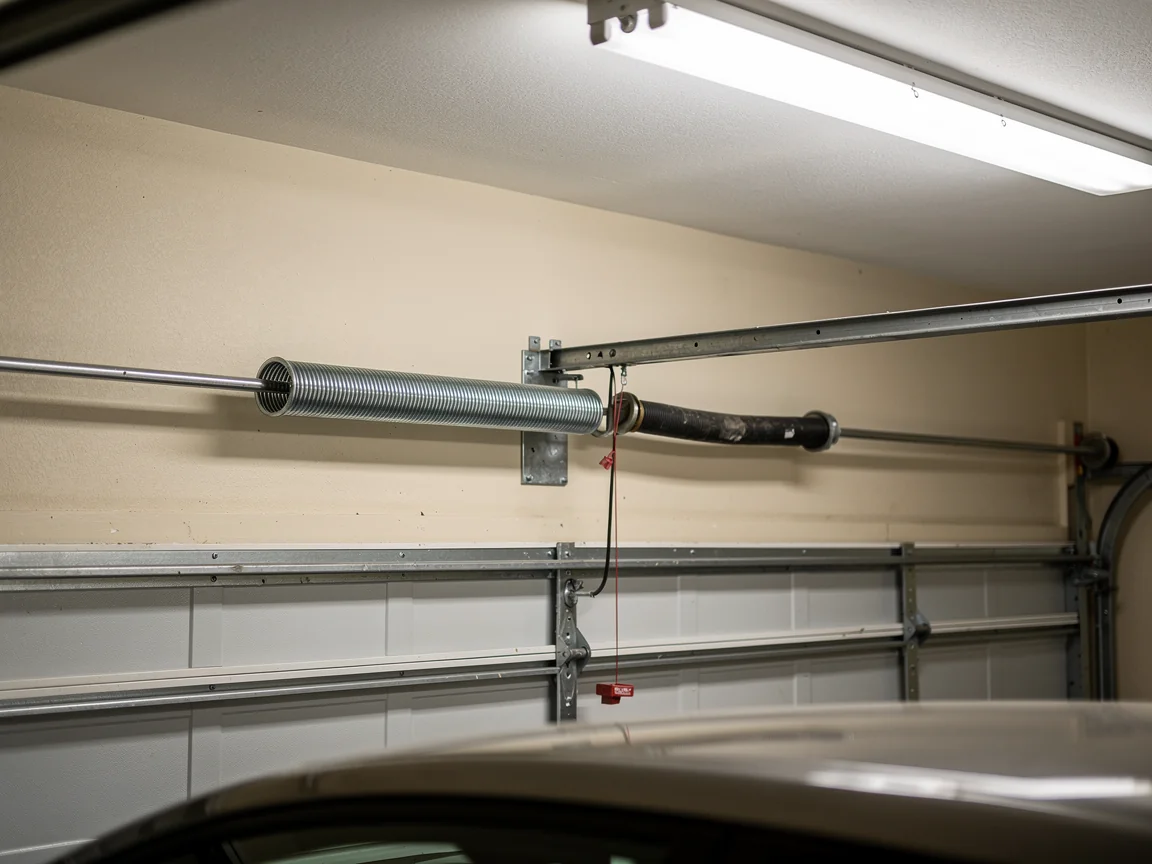
Doors from the mid-1980s used a narrower track and a lighter-gauge torsion spring than what's sold today, so we carry the common replacement sizes on the truck rather than guessing at the counter. Rollers on these doors are usually the original 2-inch steel type unless a prior owner upgraded them, and the drums and cables match a standard residential lift for a door that age - not the heavier-duty hardware that shows up on newer, taller garage openings. One honest limit: if your door was custom-sized or came with an odd aftermarket bracket from a repair job somebody did themselves years back, that part may need to be ordered, and we'll tell you that on-site rather than make you wait at the door while we improvise. For the ordinary 1980s builder door, though, spring, cable, roller and drum are all parts we're already carrying when the truck leaves Texarkana.
Why It Happens Here
This area sits in a moderate heat climate band, which is kinder to garage door hardware than the extreme heat zones further south and west - but 40 years of expansion and contraction on steel track bolts and hinge screws still loosens them, and that's the single biggest cause of noisy, off-track doors we see on houses this age. Combine that with a torsion spring that was rated for maybe 10,000 cycles when installed in the mid-80s, and most of these doors are well past their spring's working life even if nobody's touched them since. Median household income here runs close to $69,796, notably higher than the $51,346 median across the wider service area, and that shows up in the calls - more owners here choose to replace a tired opener outright rather than nurse along a 15-year-old chain-drive unit. It doesn't change the mechanics of the door, but it changes which fix gets picked.
What the Fix Involves
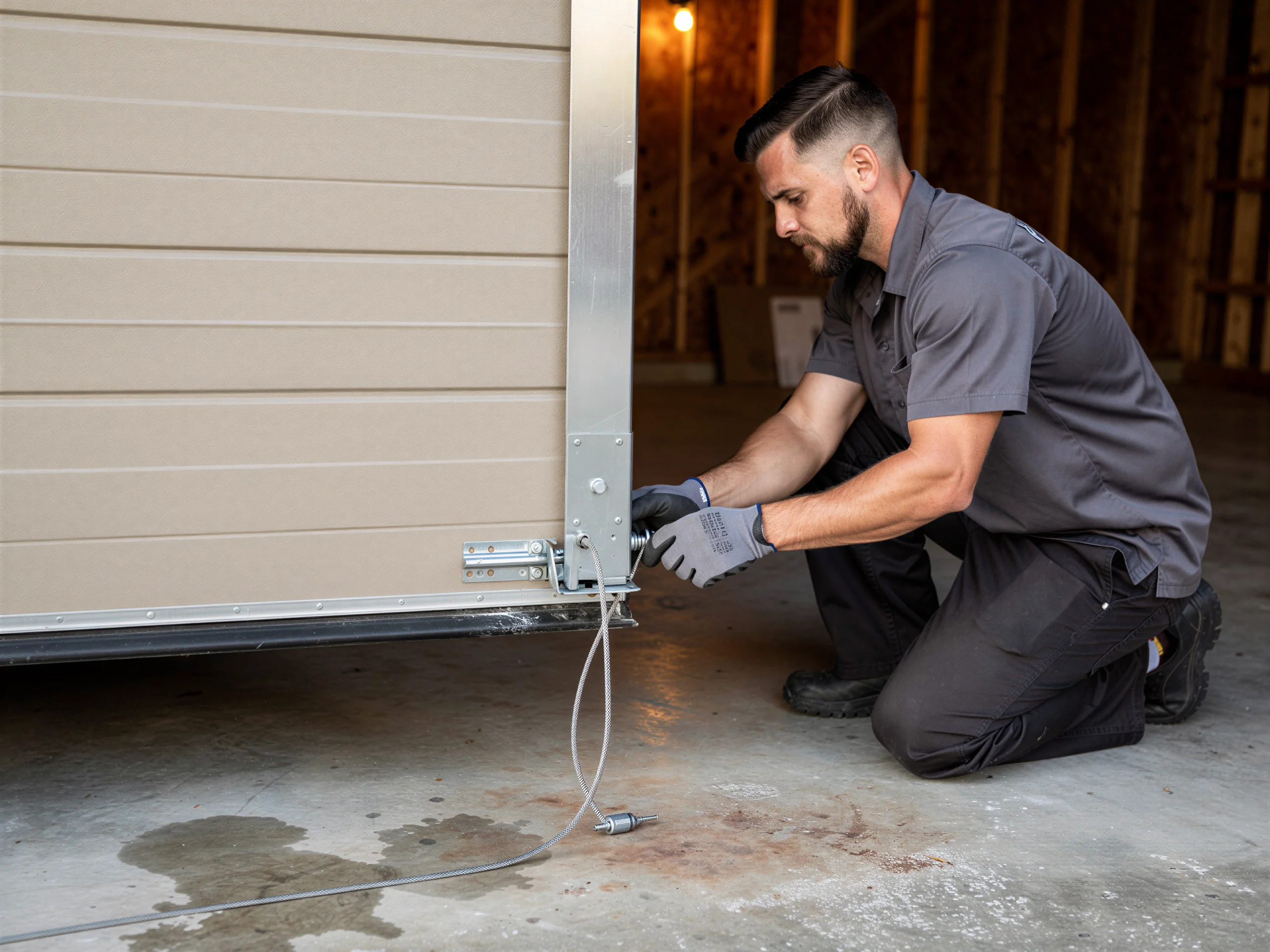
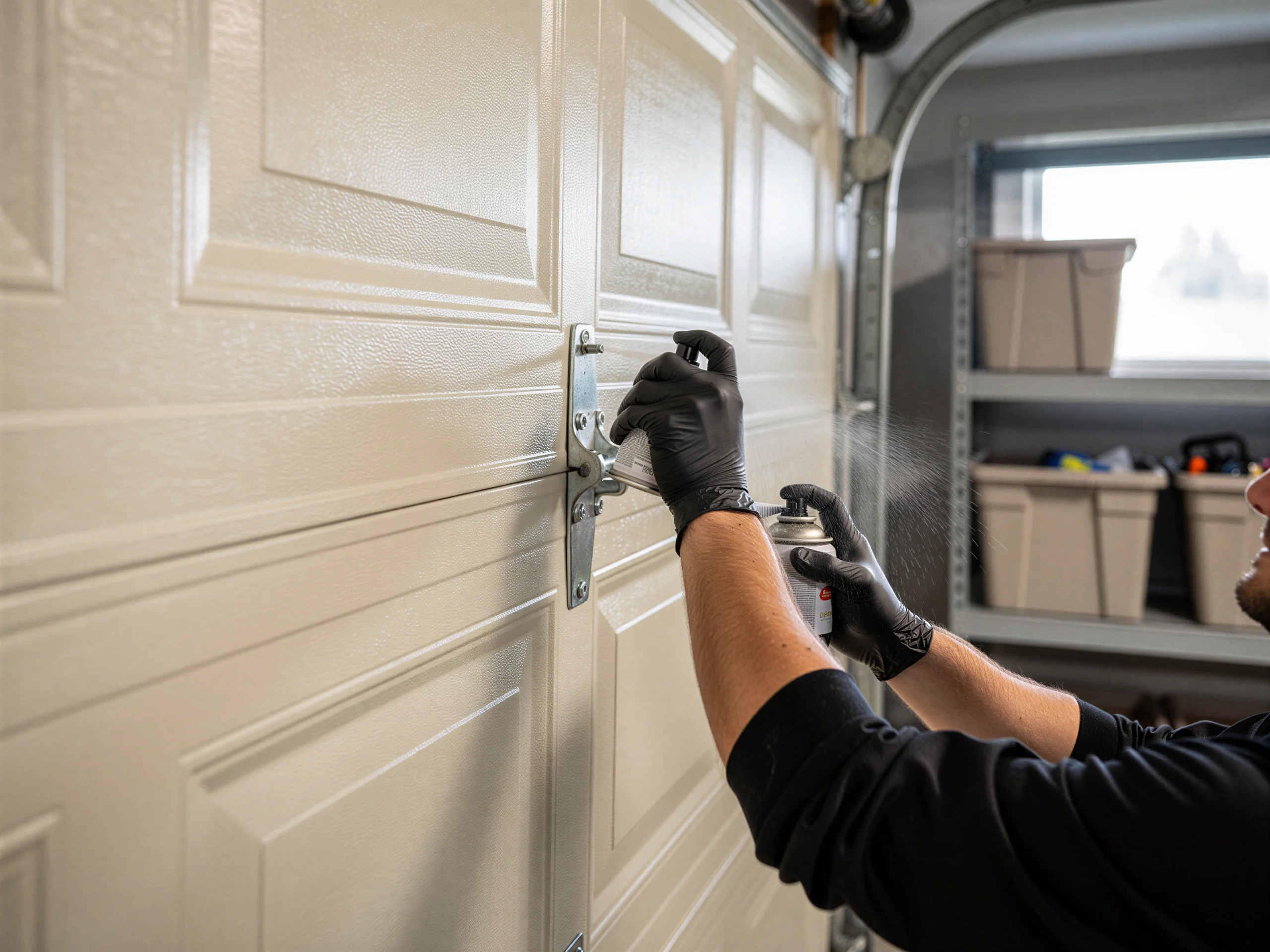
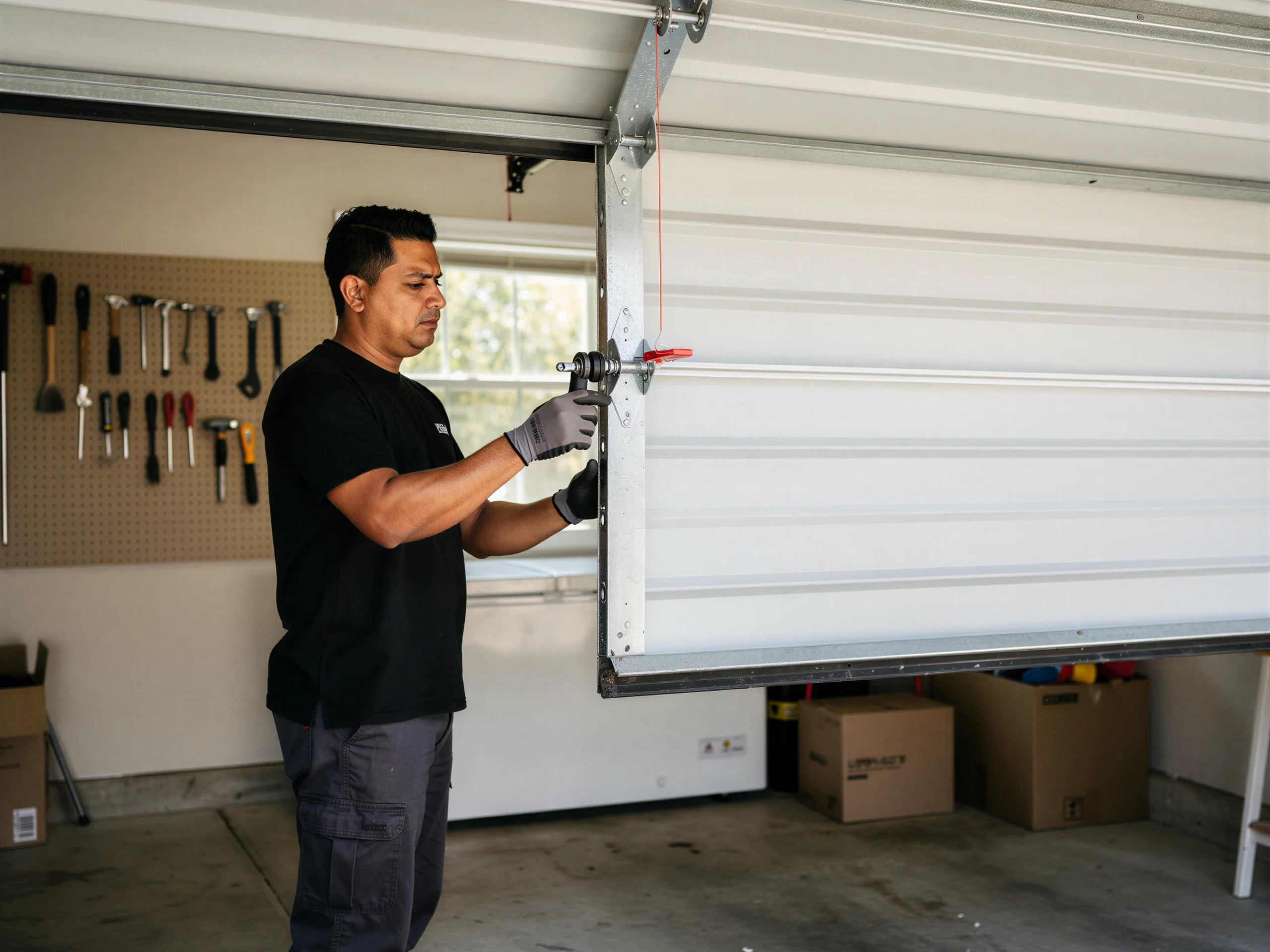
A torsion spring swap on one of these 16x7 steel doors takes the same basic steps as it did when the door was new: unload the spring, pull the old one off the shaft, set the new one to the right wind count for the door's weight, then balance and lubricate the track.
Uneven drum wear
Where it differs from a newer door is the drum - on a lot of 1985-era installs the cable drum has worn unevenly after four decades of use, so we check it while the spring is off rather than assume it's fine.
Original gear stripped
If the opener is original or close to it, the gear inside has usually already stripped once; we'll tell you straight if a repair is worth it or if replacement makes more sense for a unit that old.
No cosmetic painting
We don't do cosmetic panel painting or refinishing - if a dented panel is the complaint and the door itself is sound, that's a separate conversation about whether to patch it or replace the section.
Talk to a local pro
Garage door service in Texarkana?
Same-day service with honest, upfront quotes.