Time on the Job
Wake Village holds about 2,285 households, which is small enough that a cable call here is rarely the first job on the truck that day - it's usually stacked with work from Nash or N.A.S. nearby, both inside a few miles.
Short drive, no delay
That matters because it's the reason we can get to a snapped cable here without treating it as a special trip. We come from Texarkana, about 3 miles off, so the drive itself is never the bottleneck.
Diagnosing one or both
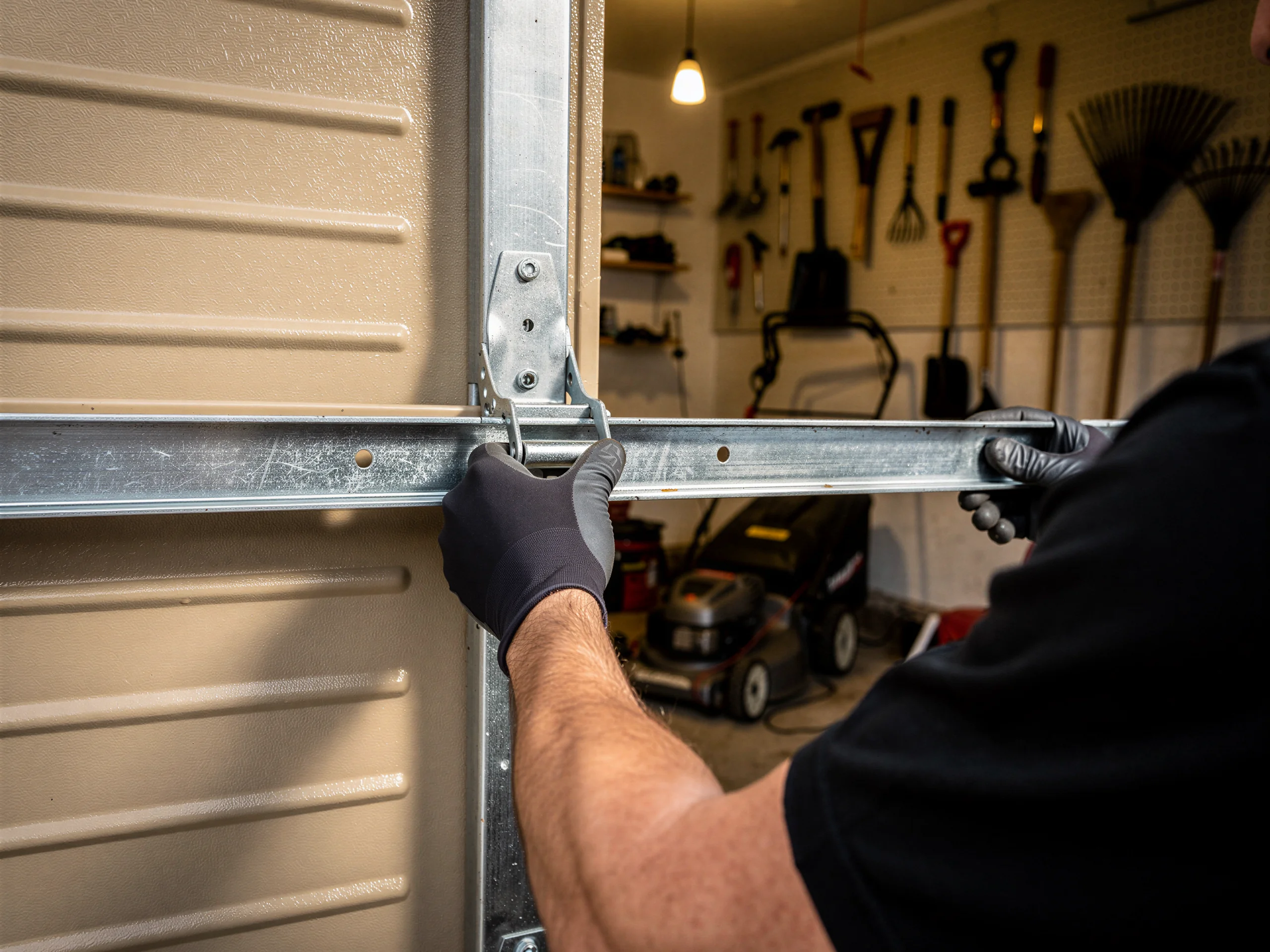
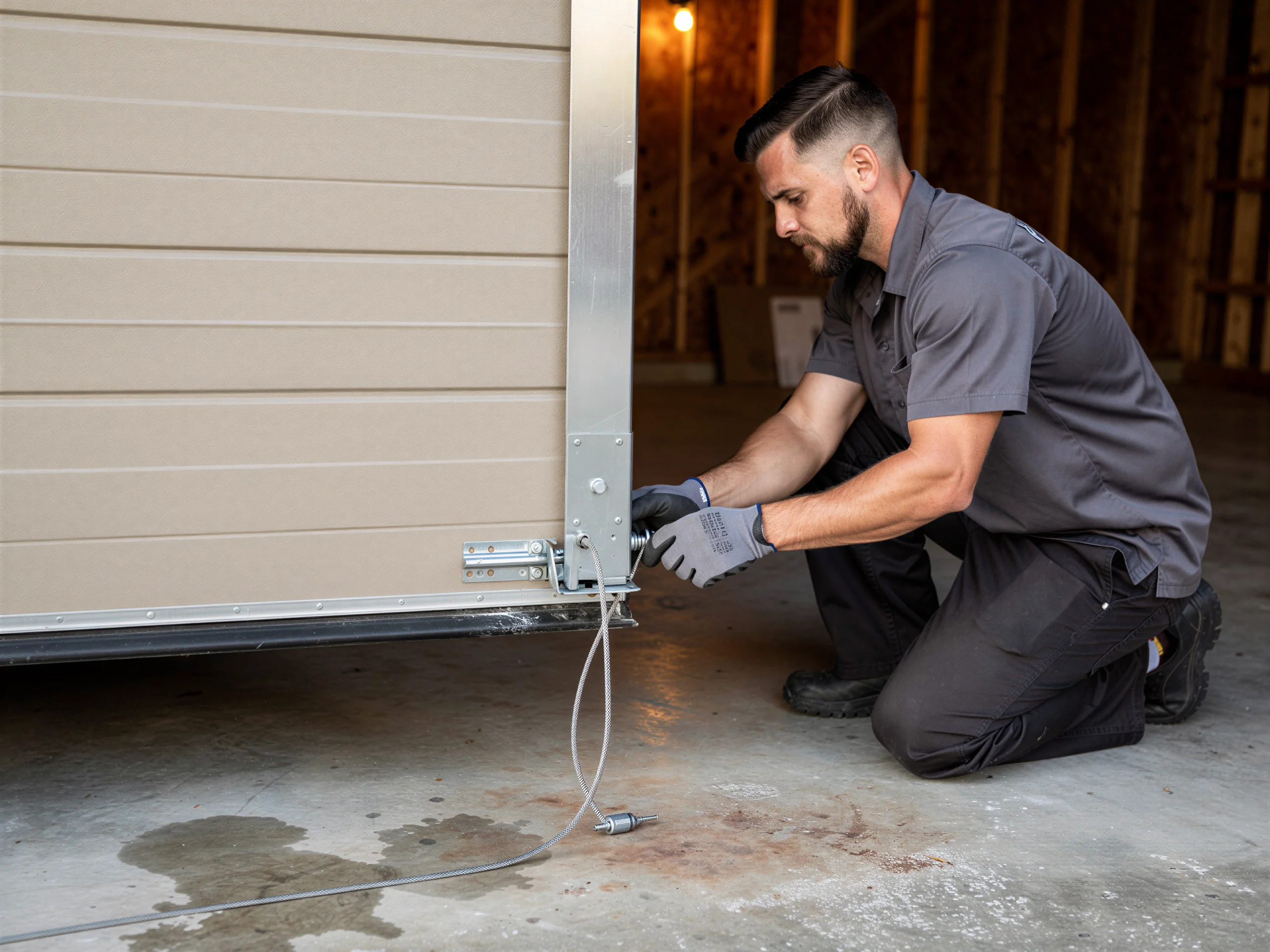
What takes time is diagnosing whether one cable went or both, and whether the drum or the bottom bracket took damage on the way down. A door that drops crooked on one side almost always means a single cable failed while the other held, and that's a different repair than a door that slammed flat.
Parts not on truck
We don't stock a service vehicle inside Wake Village itself - there's no branch here, just the route from Texarkana - so the honest limitation is that if a part isn't on the truck when we diagnose the job, a return trip is sometimes the better call than making you wait in the driveway while we source it.
Stocked Parts
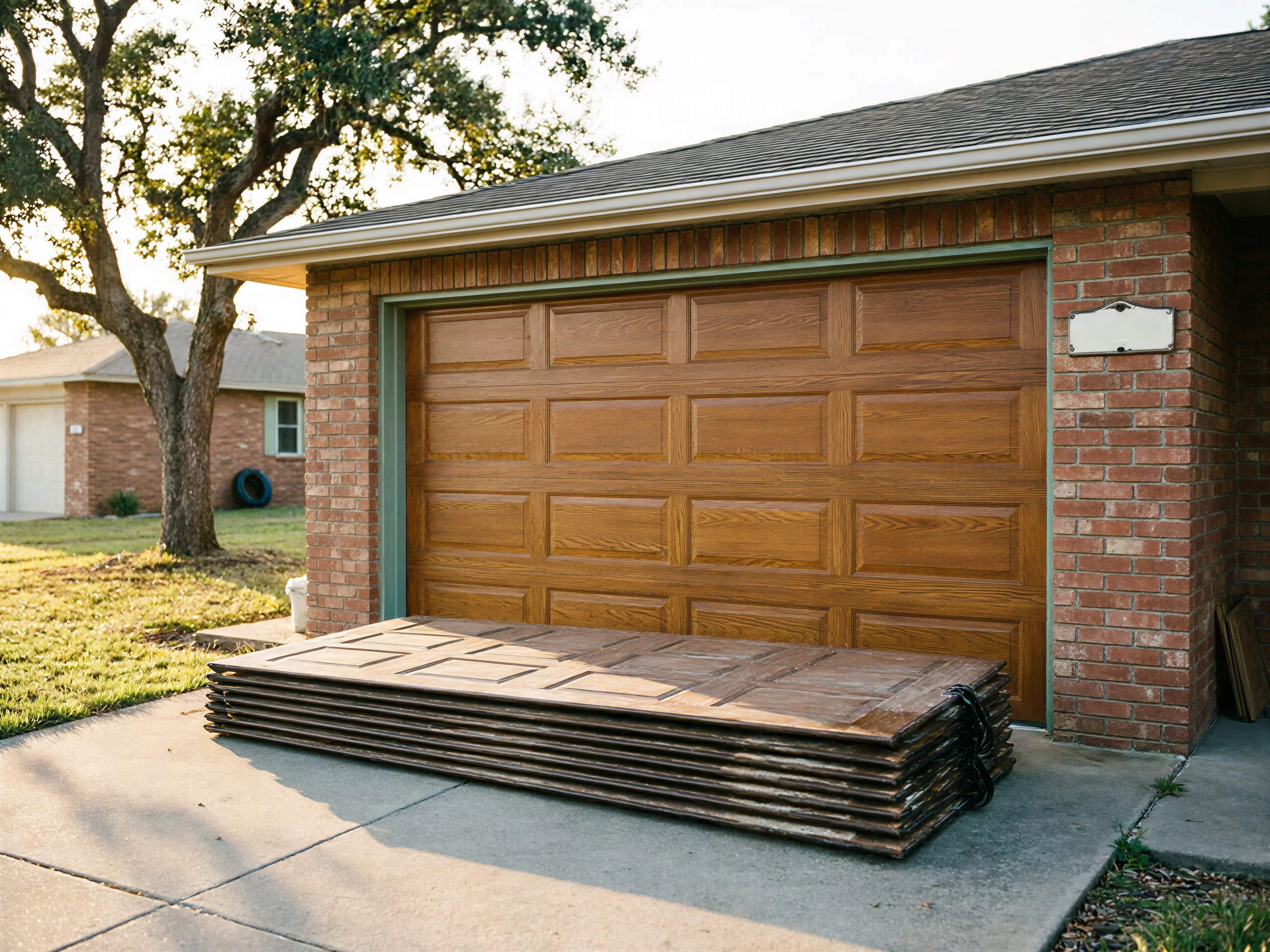
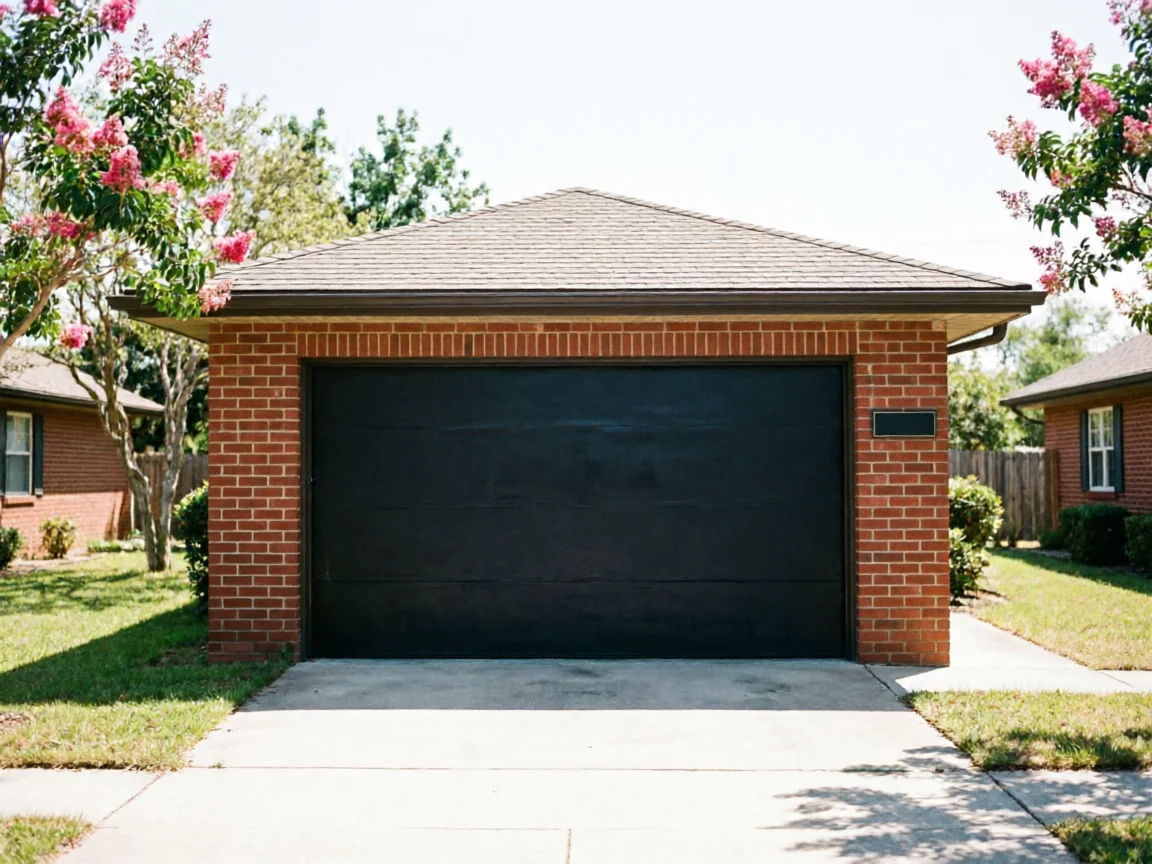
Most of the garage doors we open up in Wake Village were installed somewhere around 1985, which lines up with the broader stretch of 1971 to 1992 construction across this service area.
Standard-lift cable setups
Doors from that window were almost always built for standard-lift extension or torsion setups with 7x19 or 7x7 galvanized aircraft cable, not the oversized residential track hardware you'd see on a house built after 2000.
Matching drums on truck
We carry that gauge and the matching drum sizes on the truck because it's what shows up over and over in houses this age, not because it's exotic.
Discontinued brands ordered
What we don't carry is custom cable cut to length for odd or discontinued door brands - if a Wake Village door turns out to run proprietary hardware from a builder that's long out of business, that part gets ordered, and we'll tell you that up front instead of pretending it's a same-day fix.
Why It Happens Here
A house built in the mid-1980s has had roughly four decades for its original cable to stretch, rust at the drum wrap, or fray where it rides the pulley - and in a town where most of the housing stock sits in that same 1971-1992 band, that age-driven wear is the dominant reason cables fail, not storm damage or impact. The climate here runs moderate on heat exposure rather than extreme, so we're not chasing the kind of thermal expansion failures you'd see in a harsher band - the wear pattern is closer to straightforward metal fatigue after years of daily cycling.
With median household income in Wake Village at $69,796, a good number of these doors are original to the house rather than replaced, which means the cable itself is often original too - nobody swaps a cable until it breaks. That's consistent with what we find on calls here: one cable finally gives after decades of the same wrap position taking the load.
What the Fix Involves
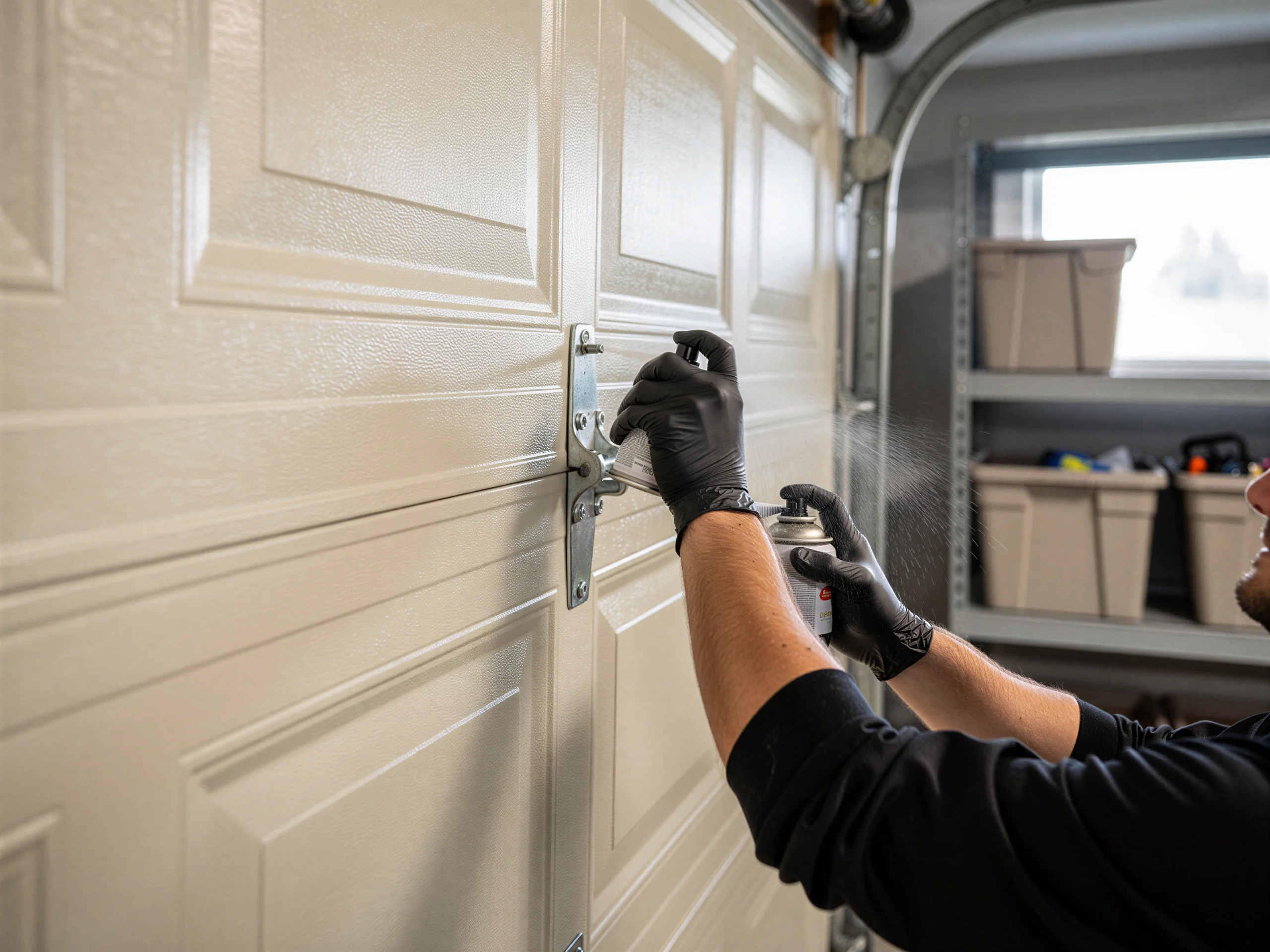
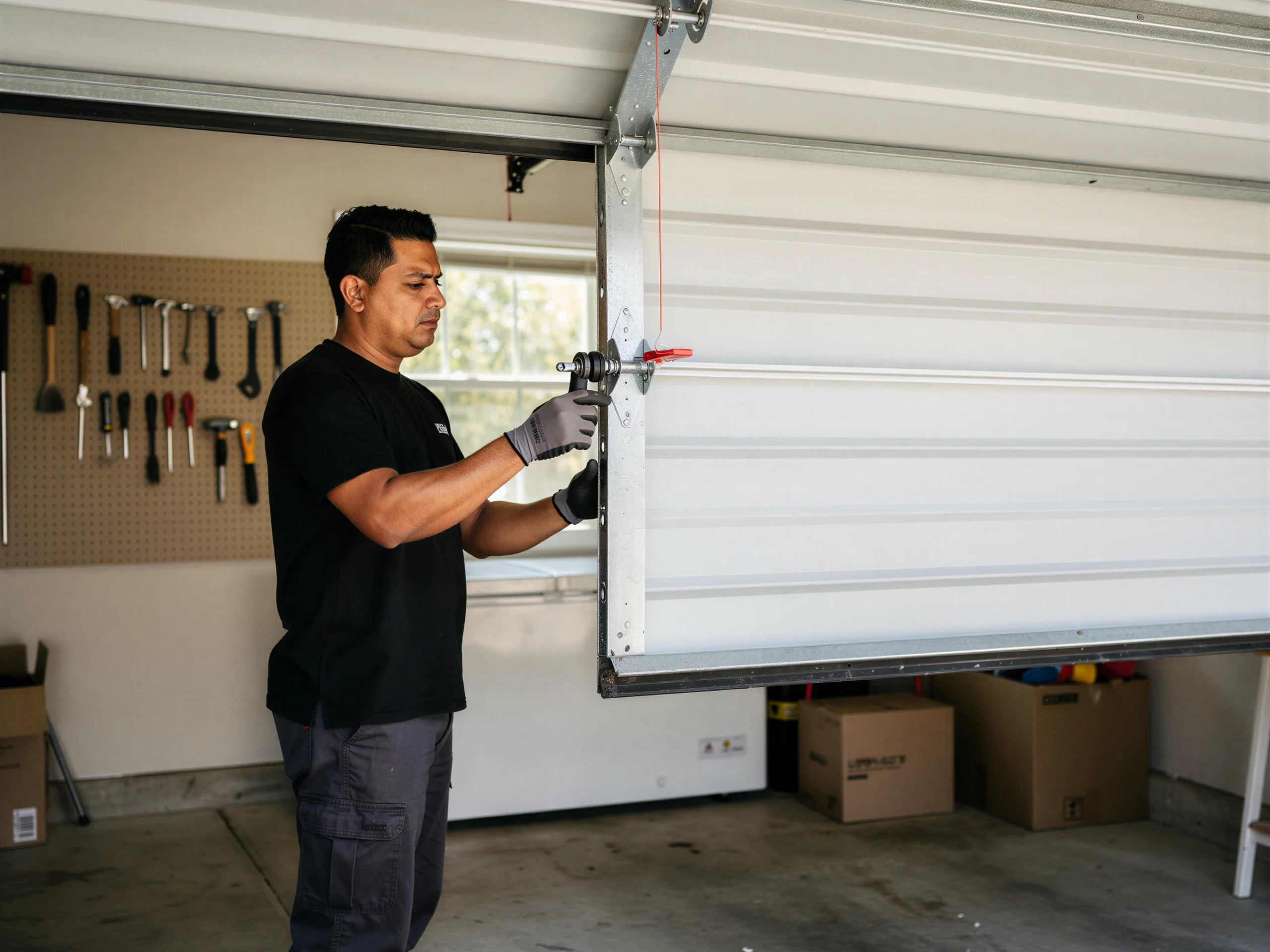
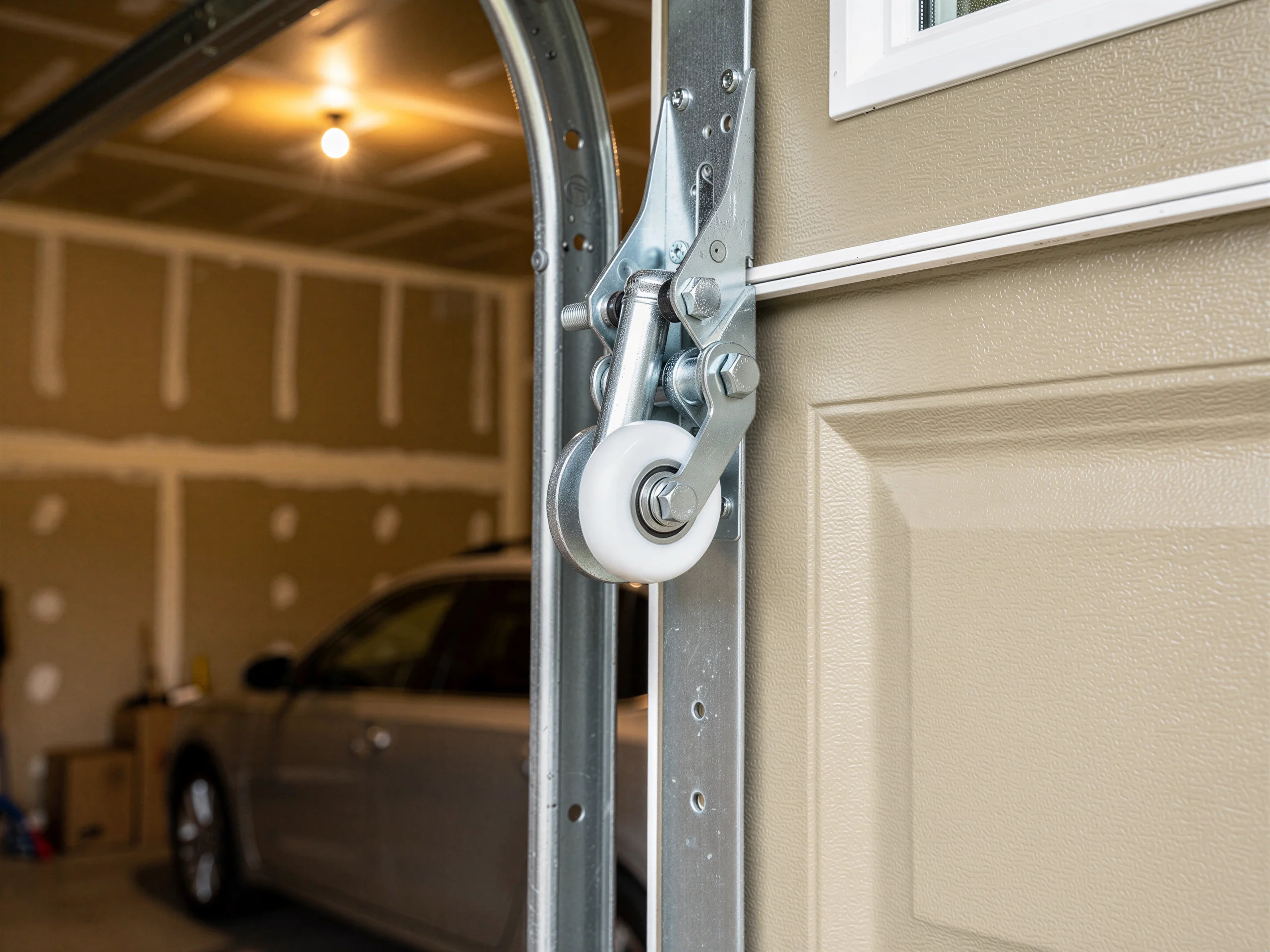
On a standard 1980s torsion setup, which is what most Wake Village doors still run, we release tension on the spring system before touching either cable - both cables get replaced as a pair even if only one broke, because the surviving one is on the same clock as the one that just failed. We check the drum and bottom bracket for gouging where the broken cable may have dragged, and we check the track for any dent from the door dropping unevenly.
If the door is original to a house built in the mid-80s and the drums or bottom brackets show wear beyond the cable itself, replacing hardware alongside the cable is usually the more honest call than a cable-only fix that fails again in a year. We'll tell you straight if that's what we're looking at rather than doing the cheaper patch.
Talk to a local pro
Garage door service in Texarkana?
Same-day service with honest, upfront quotes.