Time on the Job
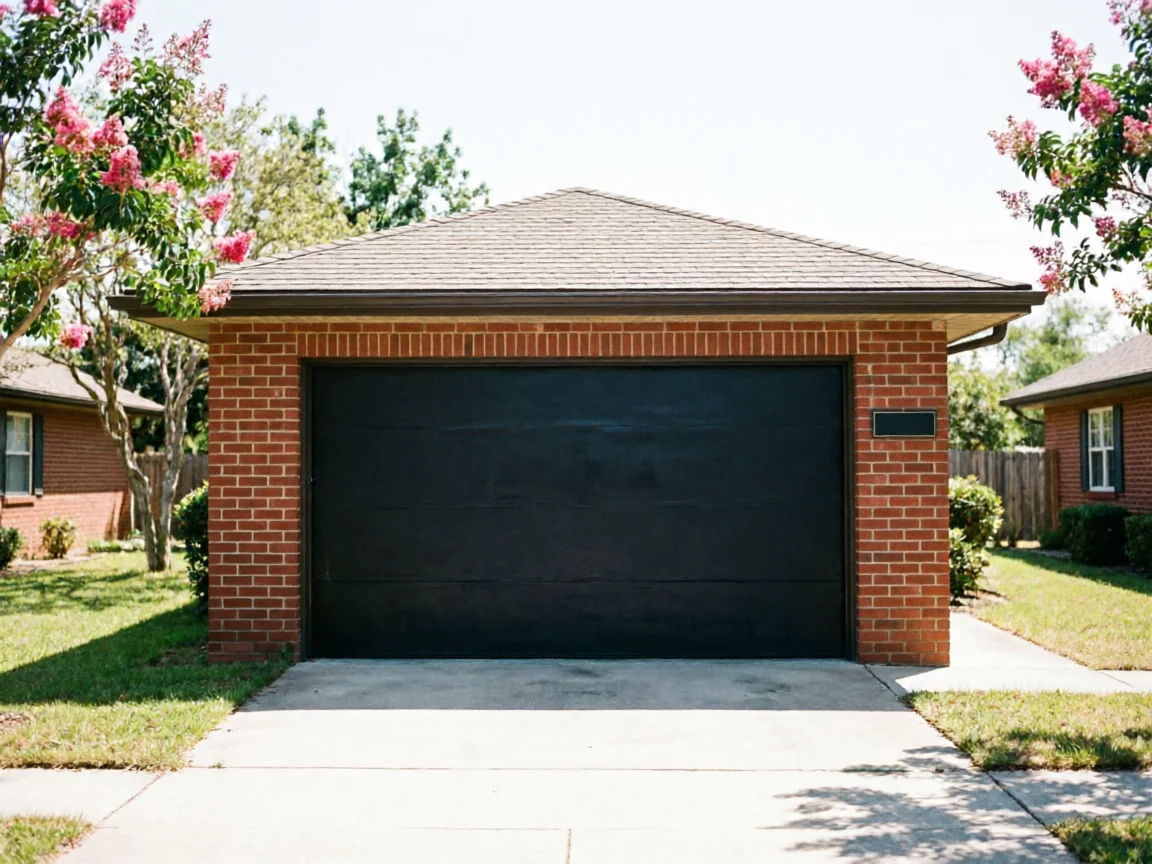
Texarkana's service area spans houses built anywhere from 1971 to 1992, with a median around 1984. Wake Village doesn't spread that wide. Housing here clusters tightly around 1985, which means the off-track calls we get aren't a grab bag of different eras - they're mostly the same generation of door, track, and roller hardware, installed within a few years of each other across the whole town.
Narrow hardware era range
That narrower band changes how a job goes once we're on site. We're not guessing whether we're dealing with 1970s flag-style track brackets or 1990s hardware with a different bolt pattern.
Diagnosis focused visit
We know roughly what we're opening up before the truck is unloaded, so more of the visit goes to diagnosing why the door jumped the track - a bent track rail, a broken roller, a cable that slipped its drum - rather than figuring out what decade of parts we're working with.
Plan ahead for visits
We travel to Wake Village from Texarkana, about 3 miles up the road. There's no separate branch here, just a short drive, so plan for the visit rather than a walk-in counter.
Stocked Parts
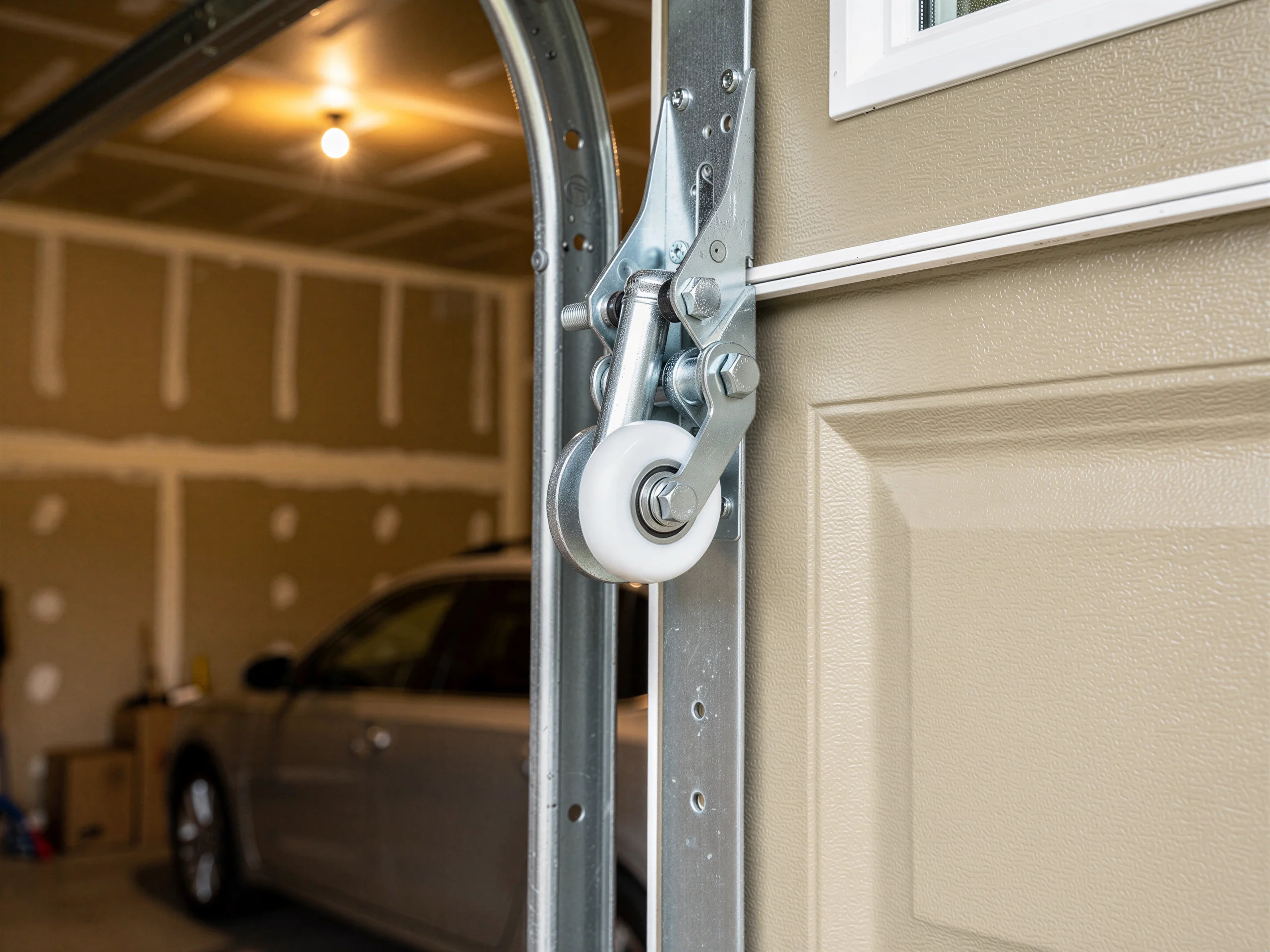
Because the housing stock in Wake Village centers so tightly on 1985, the track sections, nylon and steel rollers, and hinge sets that fail here tend to match one generation of builder-grade hardware rather than the wider mix you'd see in a town with houses from four different decades. We carry standard track sections, rollers, and hinges sized for that era's sectional steel doors on the truck.
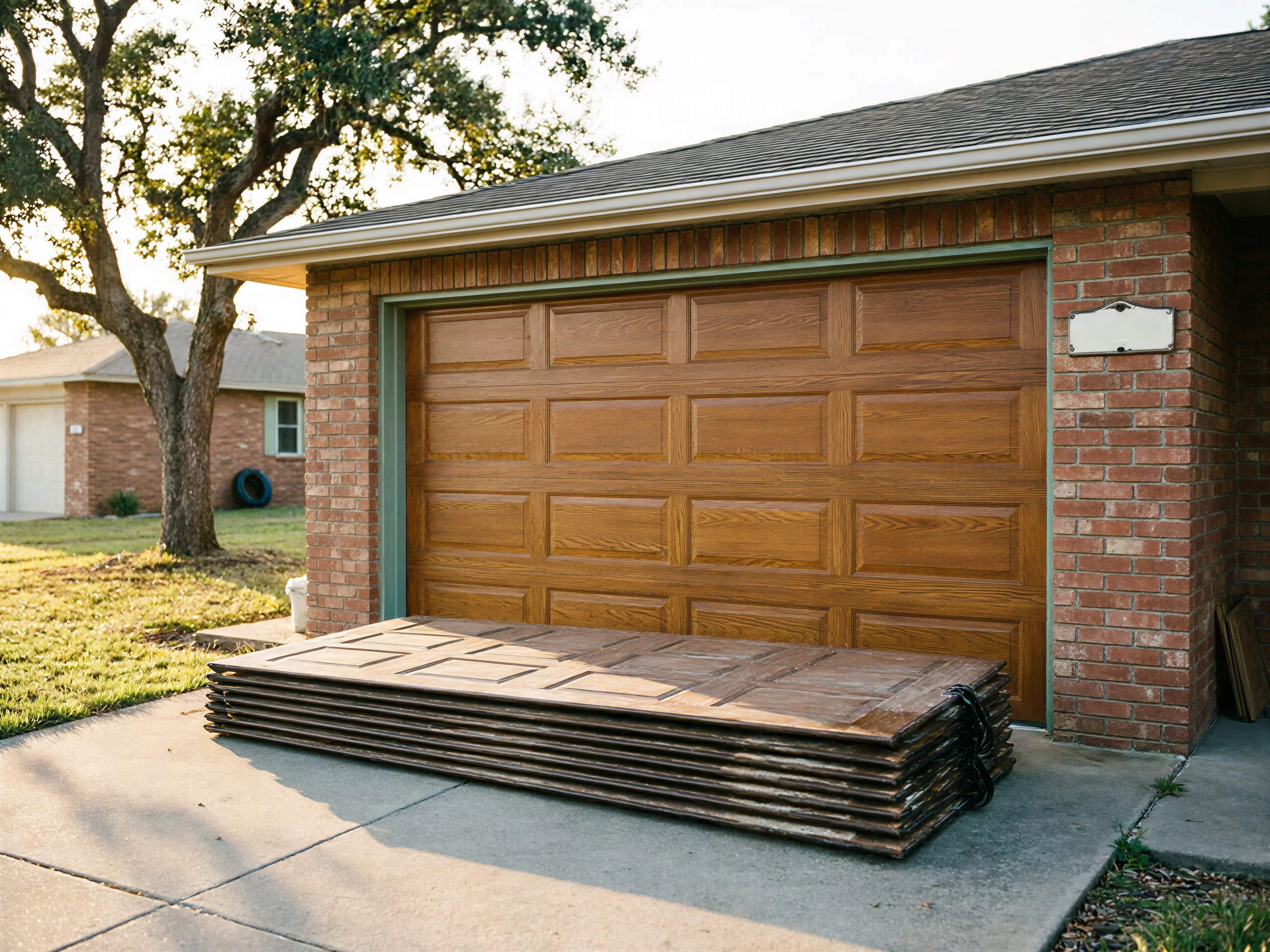
What we don't carry is obsolete track for doors that have been discontinued outright - if a panel or track profile is no longer made, that's a special-order part and it adds lead time. We'll tell you straight if that's the case rather than quote a same-visit fix we can't deliver. For most of what we see in Wake Village, though, the parts match what's already on the truck, which is the advantage of a town with such a concentrated building period.
Why It Happens Here
A door comes off its track for one of a handful of reasons: a bent rail from something hitting it, a broken roller that lets the door wander sideways, a cable that's slipped its drum, or track brackets that have worked loose from the wall over the years. In a service area with a moderate heat band rather than extreme summer highs, we see less outright warping from heat and more ordinary wear - track bolts loosening as the house settles, roller bearings wearing out after years of lift cycles, galvanized track developing surface rust at the seams.
Wake Village's 1985-era hardware is now pushing four decades of lift cycles. That's not a defect, it's just mileage. A track that was fine in year ten starts showing play in year thirty-five, and once the rollers ride loose in a worn track, it doesn't take much - a slightly out-of-square door, a kid's bike left too close - to pop it off the rail.
What the Fix Involves
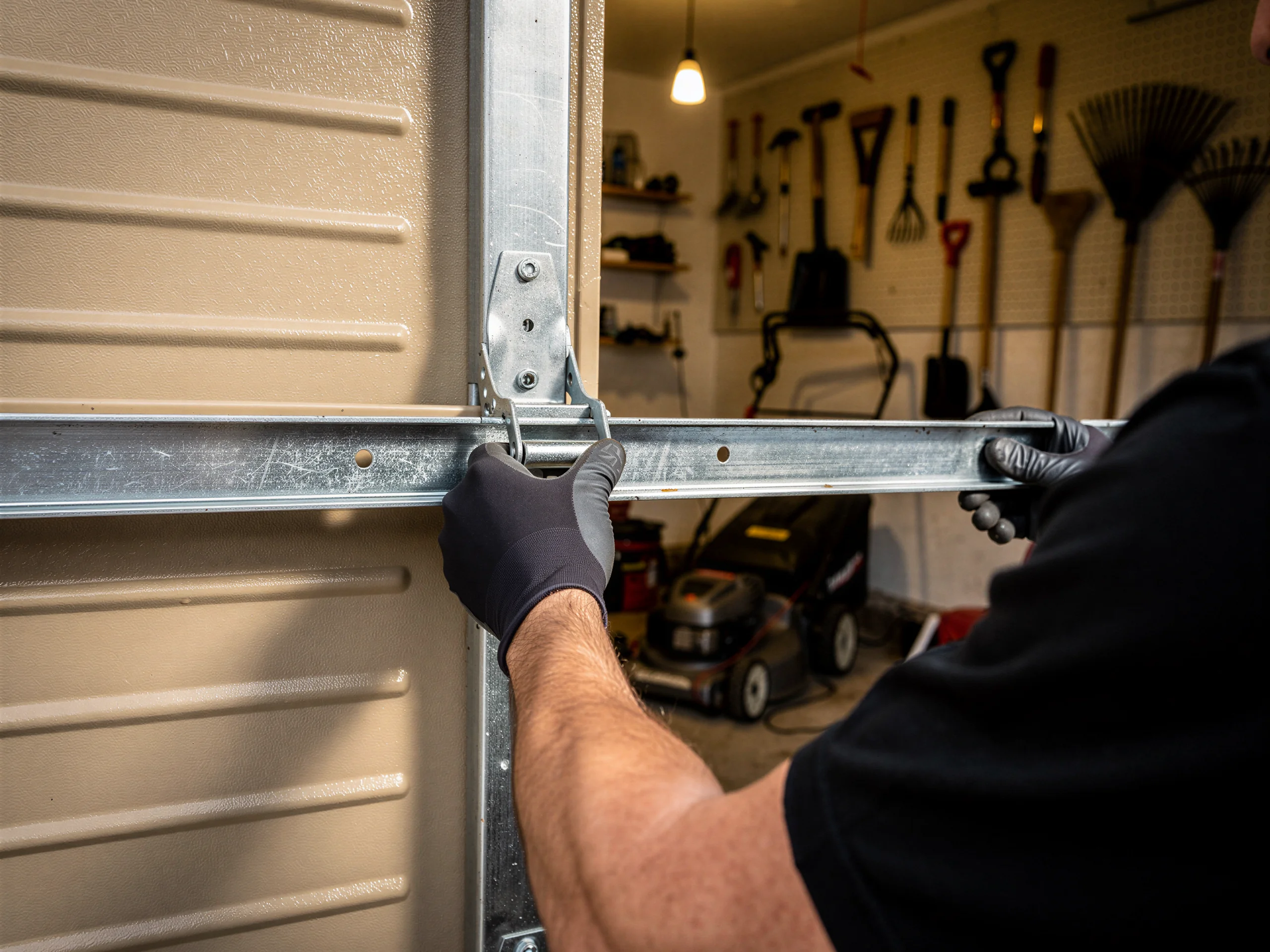
First we check whether the track itself is bent or just loose. A loose track is a matter of re-shimming and re-torquing the brackets against the wall framing.
Bent rail removal
A bent track has to come off - you can't hammer a rail straight and trust it to hold a 150-plus pound door square for another twenty years. Next we look at the rollers and the cables. Worn rollers get replaced as a set, not one at a time, since the others are usually close behind.
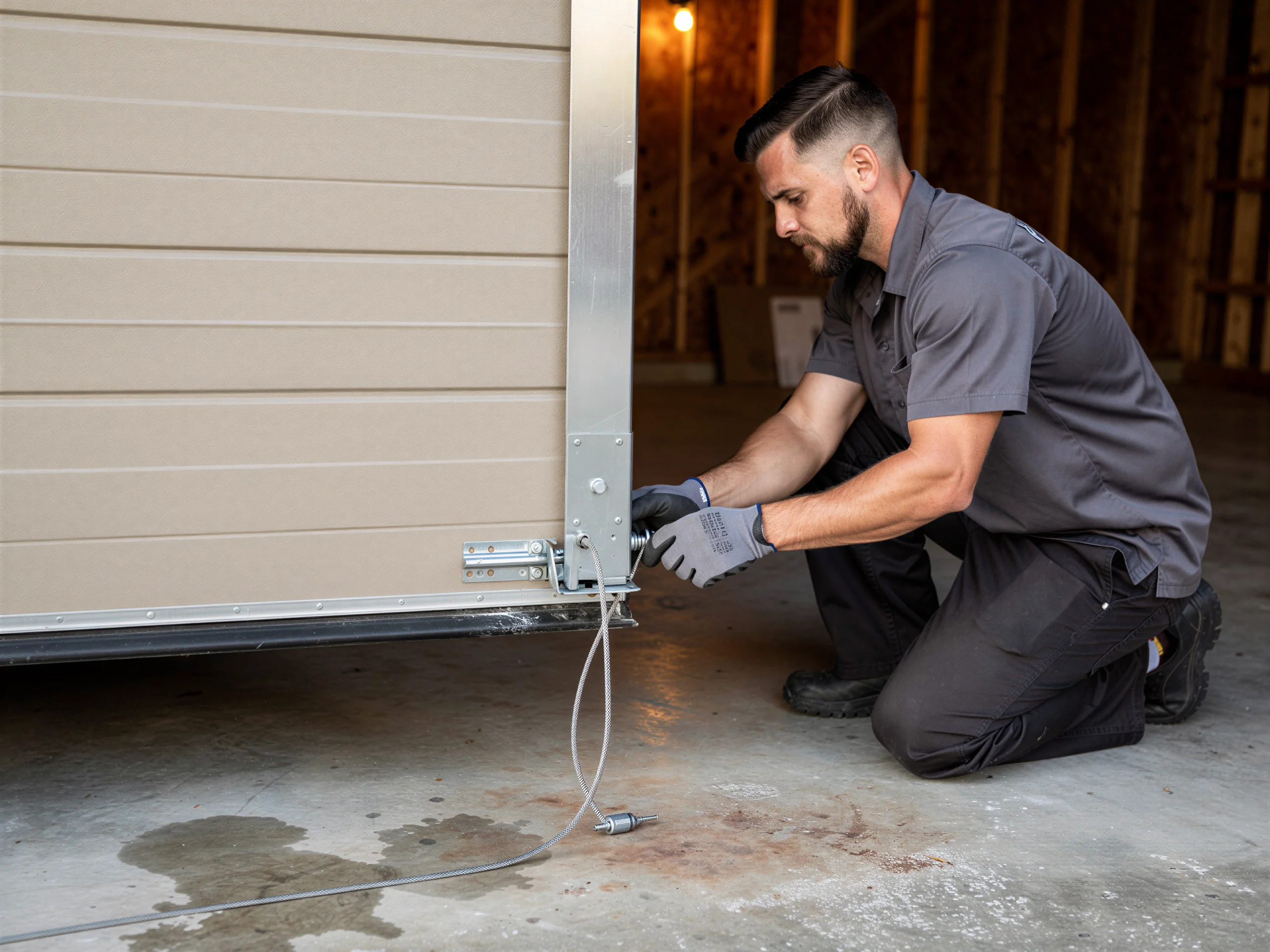
Cable re-seated on drum
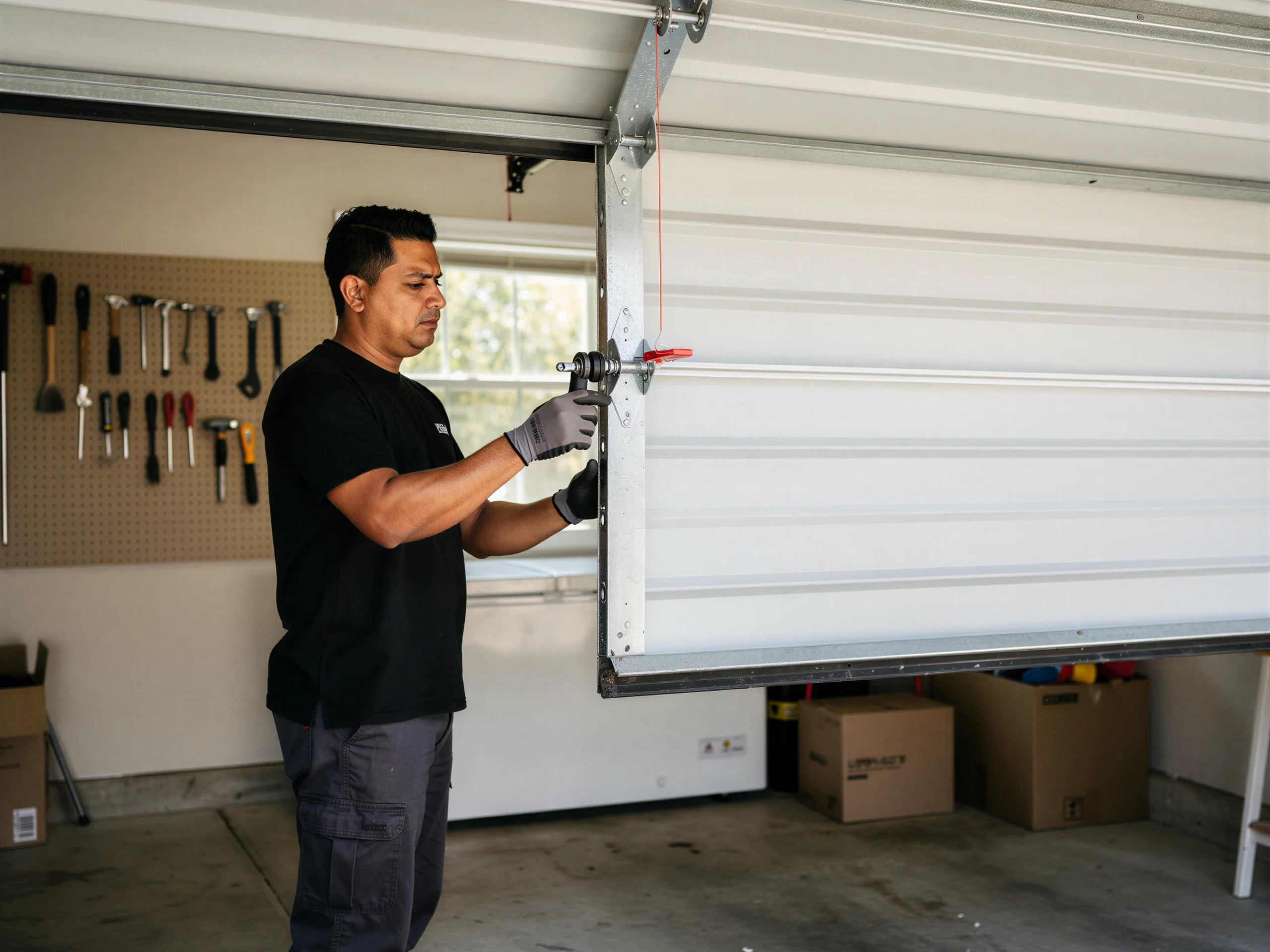
If a cable slipped its drum, we re-seat it and check the drum for wear before calling it done. Last we re-square the door in the track and run it through a full cycle, watching the roller path the whole way.
Sensor and limit checks
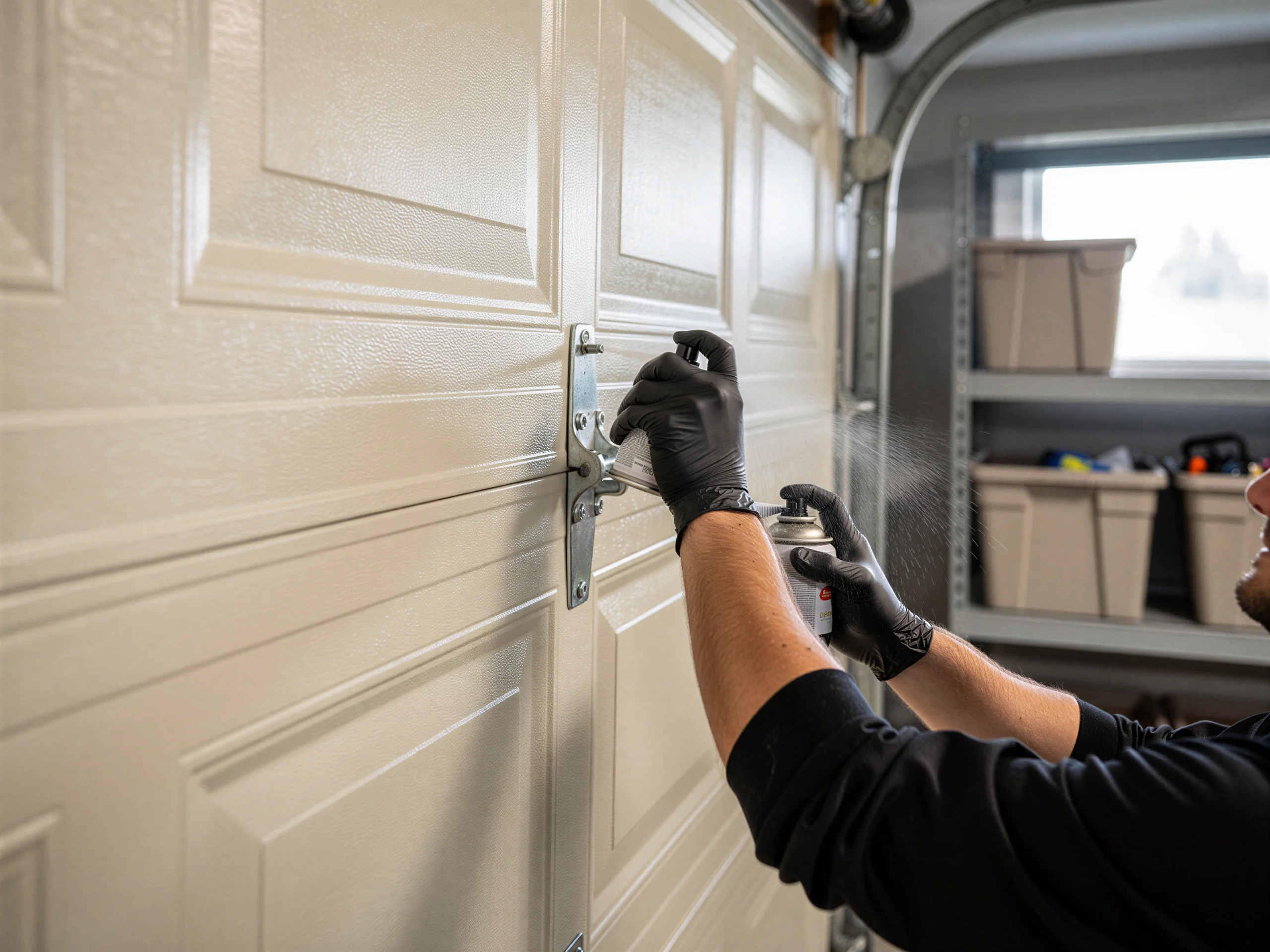
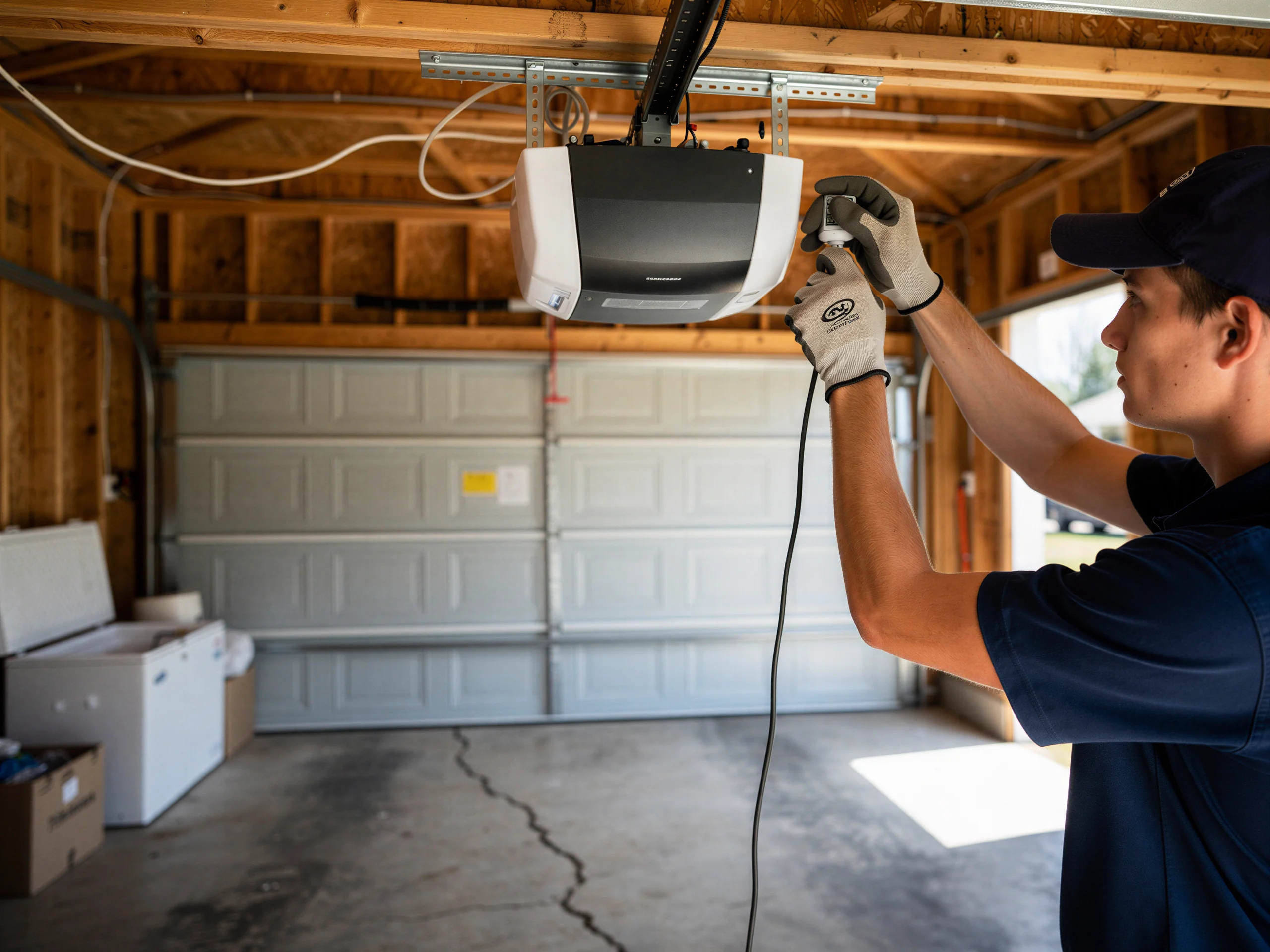
If the door was riding off-track for a while before anyone called, we also check the opener's travel limits and the sensor alignment, since a door that's been off-square can throw both of those out without anyone noticing until the door starts sticking again.
Talk to a local pro
Garage door service in Texarkana?
Same-day service with honest, upfront quotes.