Stocked Parts
Most houses in Nash went up around 1992, which puts them right at the tail end of the builder-grade steel roller era and the start of nylon rollers showing up as an upgrade option on new installs.
Galvanized roller stems
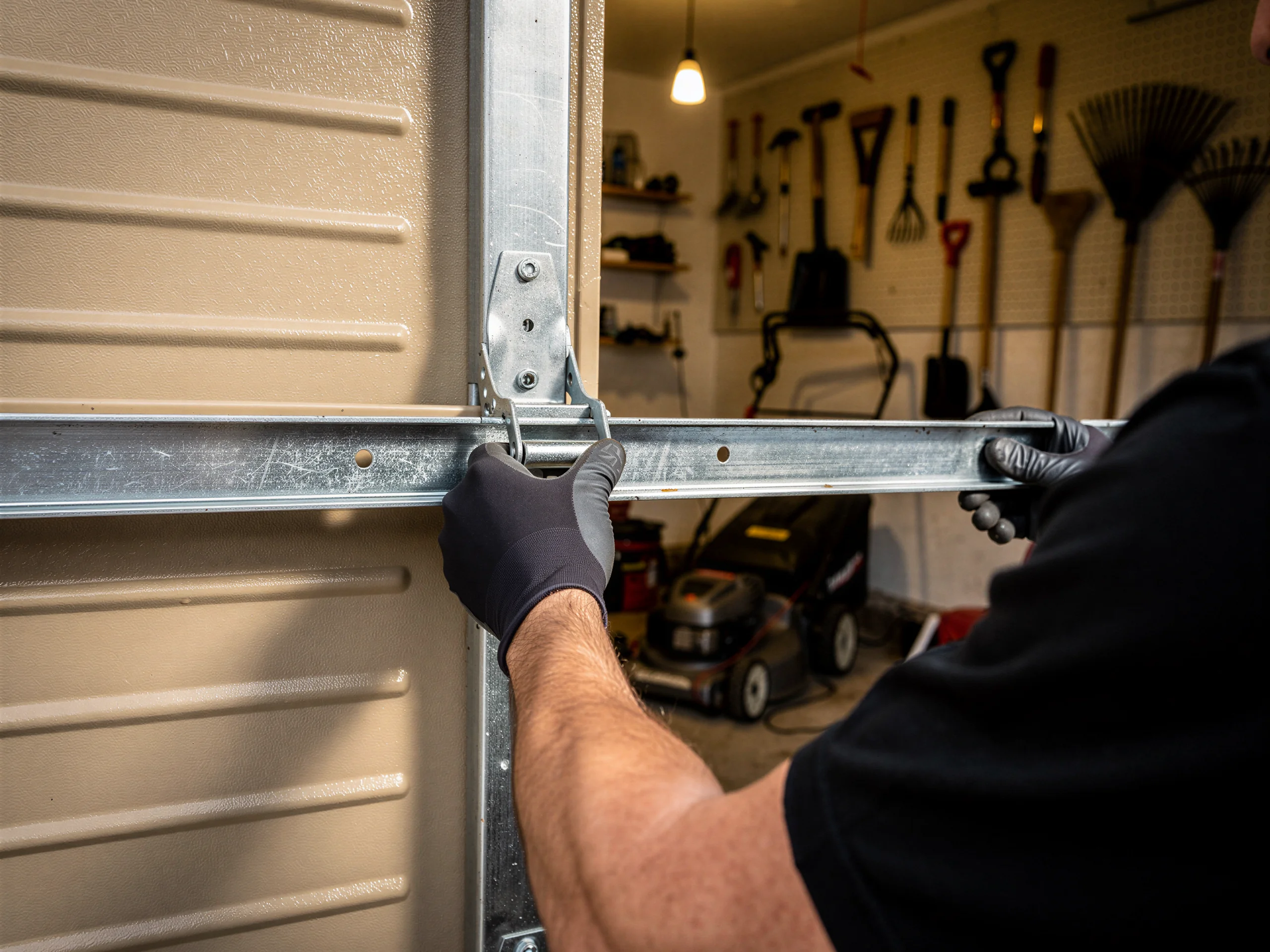
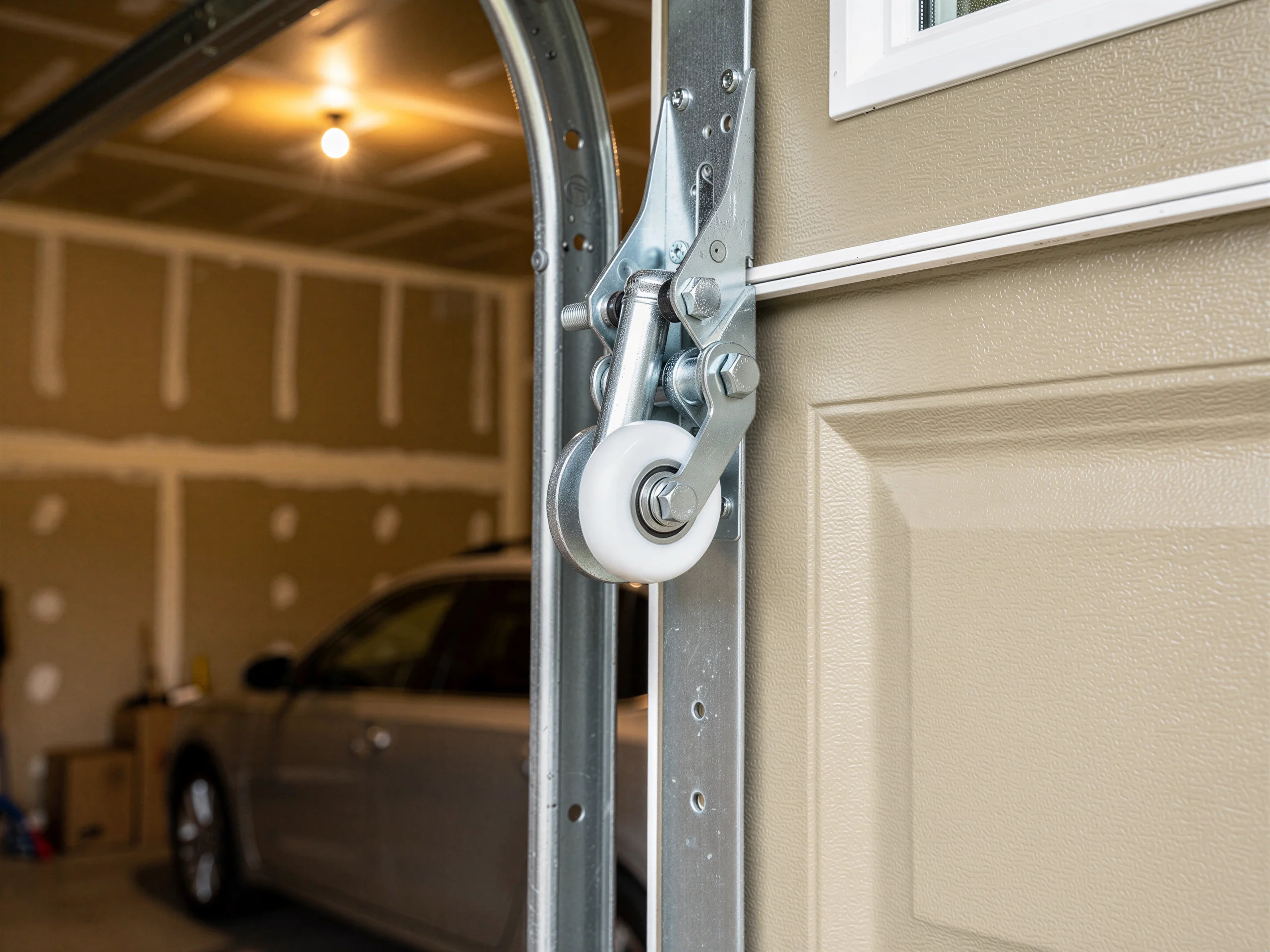
If your door is original to the house, you're probably running 7-ball galvanized steel rollers on a short stem, the kind that ride loud and wear a groove into the track over twenty-plus years.
Sealed-bearing nylon options
We carry both steel and nylon rollers on the truck, in the stem lengths that match doors from that build period, along with the sealed-bearing nylon rollers most owners switch to when they're tired of the noise.
Proprietary track profiles
We don't stock every oddball roller size from every manufacturer - if your door came with a proprietary track profile from a builder that's since gone out of business, that's a special-order part, and we'll tell you that up front instead of pretending otherwise.
The DIY Question
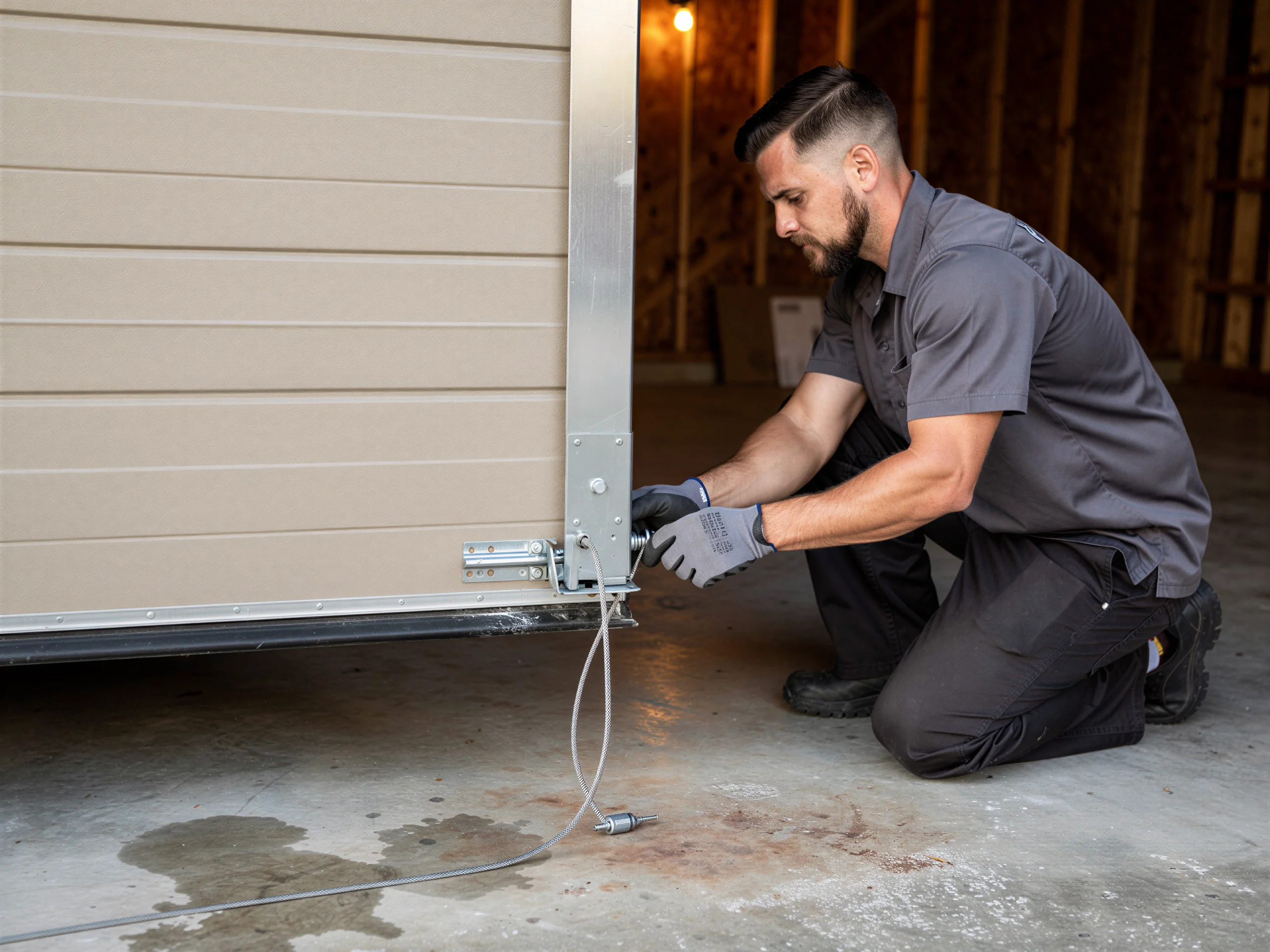
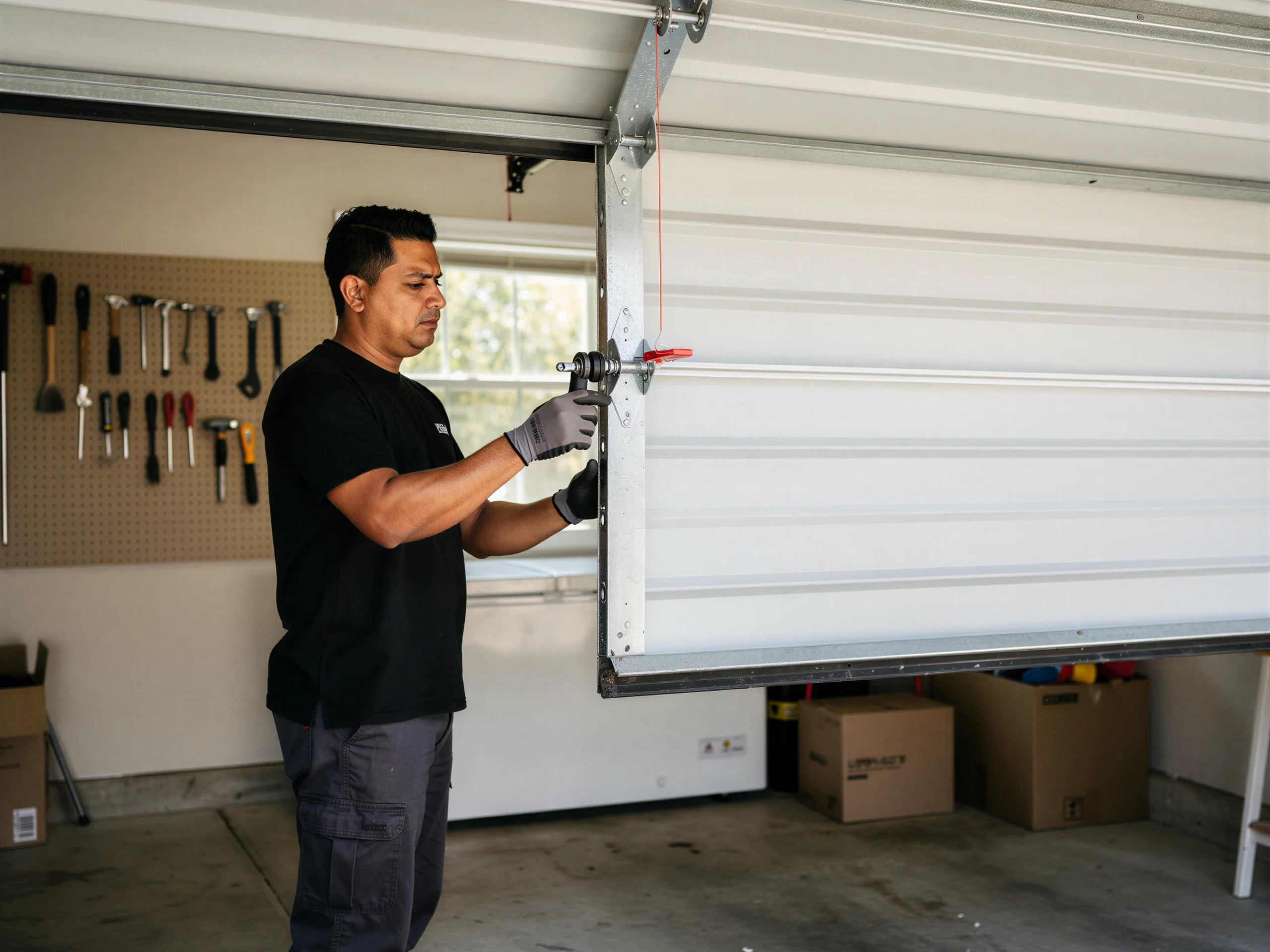
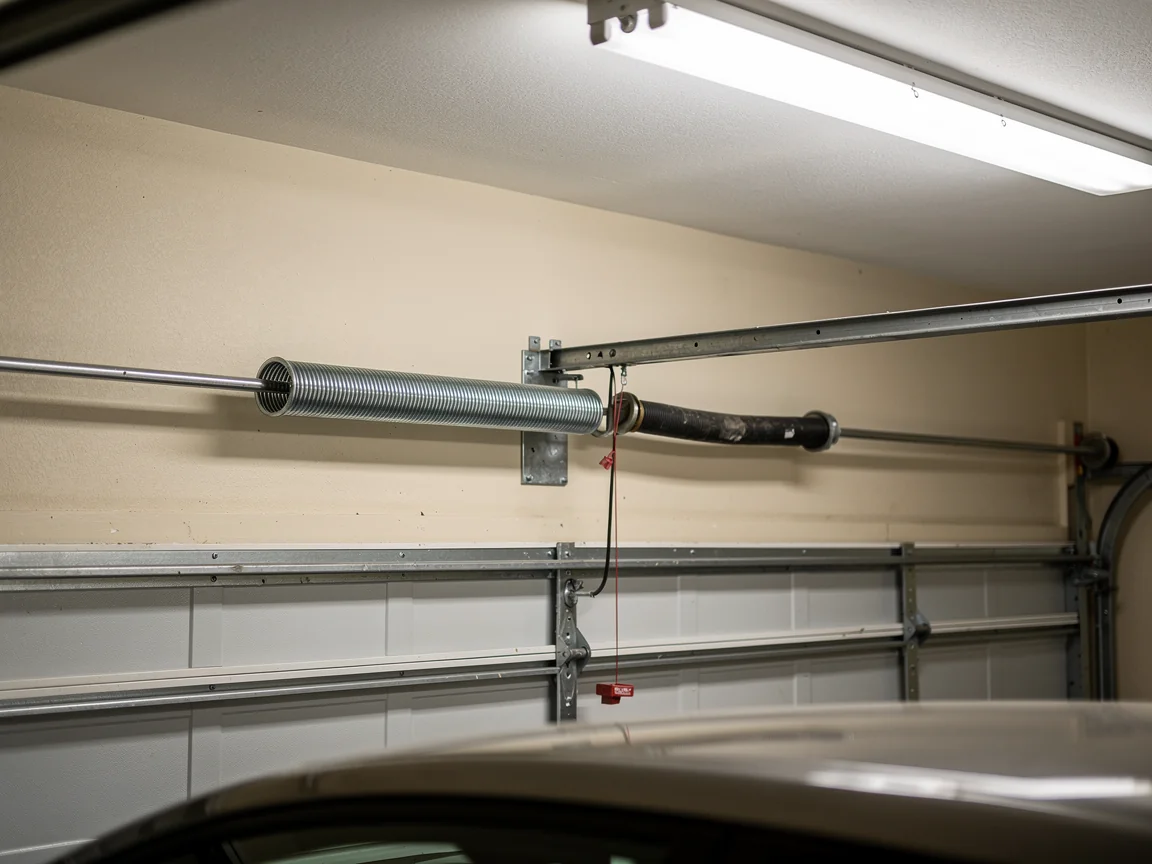
Swapping a roller is one of the more doable garage door jobs for a homeowner, if the door is down, the opener is unplugged, and you're only touching rollers that aren't under spring tension - the bottom two on each side, usually. The rollers near the top of the track, close to where the cables and springs do their work, are where we tell people to stop and call instead. With doors this age in Nash, the bigger risk isn't the roller itself, it's what's seized up around it - a track bracket rusted to the roller stem, or a hinge pin that won't back out without bending. If you're turning a wrench and it's not moving, that's the line. Past that point you're not saving money, you're buying a second repair.
What You Are Seeing
A bad roller on a house from this era usually announces itself the same way: a grinding or popping sound right as the door passes a certain spot in the track, every single time, in the same place.
Flat spots on rollers
That's a flat spot worn into a steel roller, or a stem that's bent just enough to bind. Some owners feel it before they hear it - the door jerks or hesitates at that same point in the run.
Cracked roller wheel failure
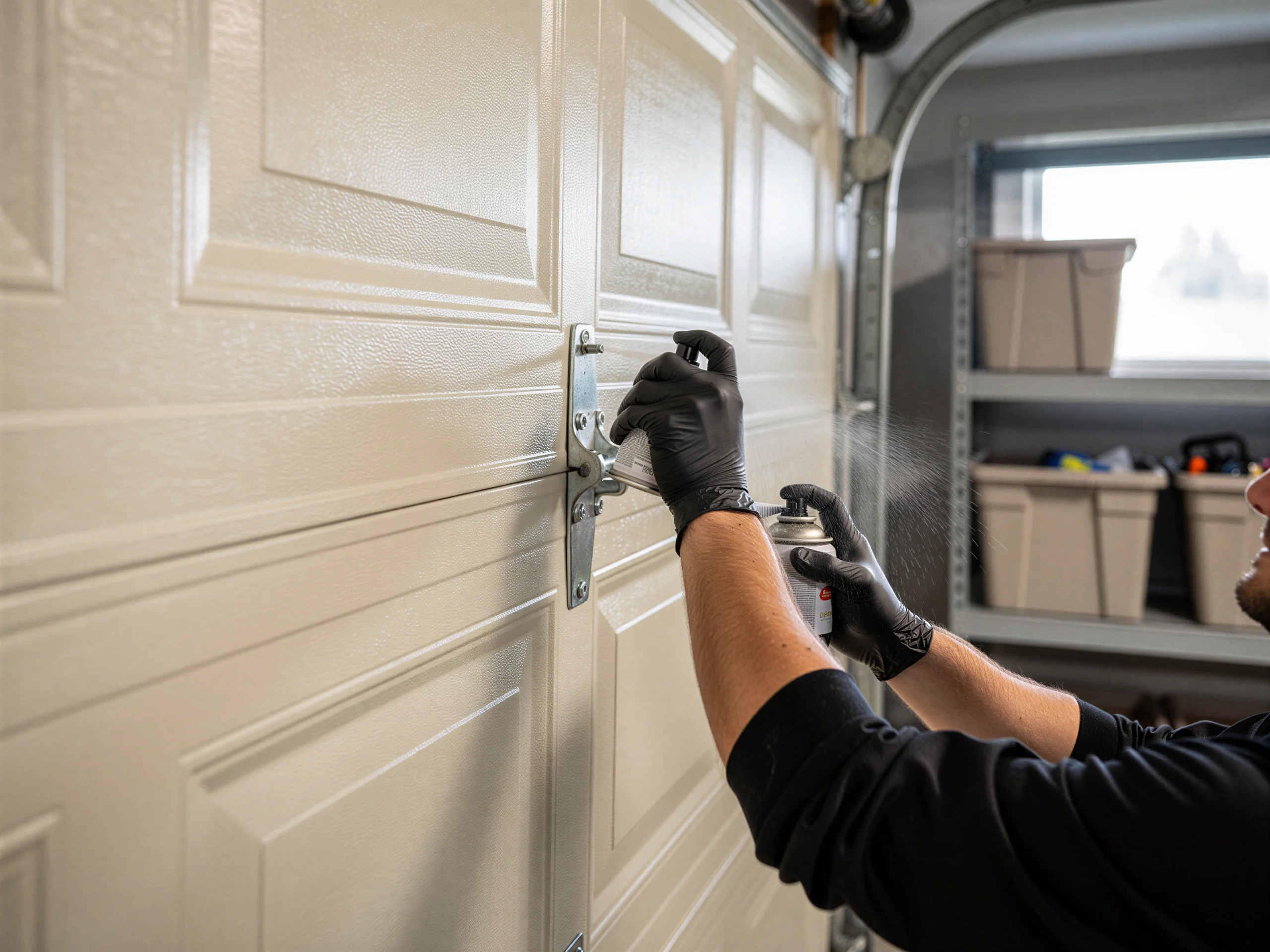
On a few jobs we've seen the roller wheel itself crack clean through, which lets the door drop slightly off the track rail and bind hard. Texas heat doesn't do steel rollers any favors either - the metal expands and contracts enough over the years that old grease dries out and the roller starts riding dry, which speeds up the wear you're already hearing.
The Complications
The complication we run into most in Nash isn't the roller, it's the track. Doors from 1992 often have steel track with decades of paint, dust, and dried lubricant built up, and a worn roller can hide a track that's bent or pulled away from the wall at the brackets. Replace the roller and leave a bent track alone, and you'll be back to the same grinding noise within a few months. The other complication is matching roller stem length and wheel diameter to the original hardware - mix a short-stem roller into a track built for long-stem, and the door rides crooked. We check both before we quote the job, not after.
The Cost of This Job
We don't have a flat number to hand you here without seeing the door, since the real cost driver is whether you're replacing a couple of rollers or the full set of ten, and whether the track needs straightening or replacing alongside them. What we can tell you is the difference between steel and nylon roller sets is real money up front but a quieter, longer-lived door after - worth discussing against a household budget before you decide. If the track is bent badly enough, repairing it can run close to what a new track costs, and at that point we'll say so rather than patch it.
Talk to a local pro
Garage door service in Texarkana?
Same-day service with honest, upfront quotes.