Stocked Parts
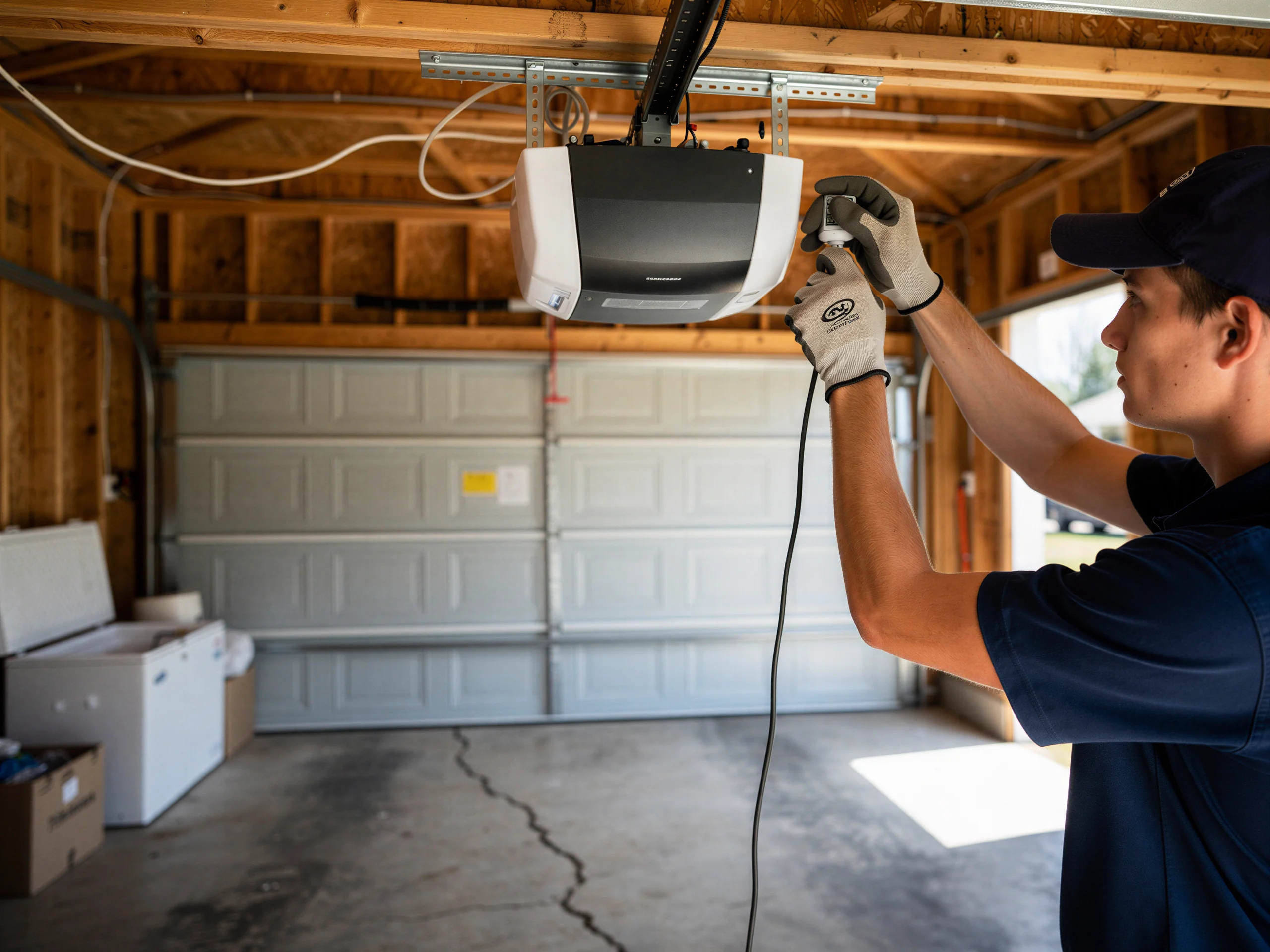
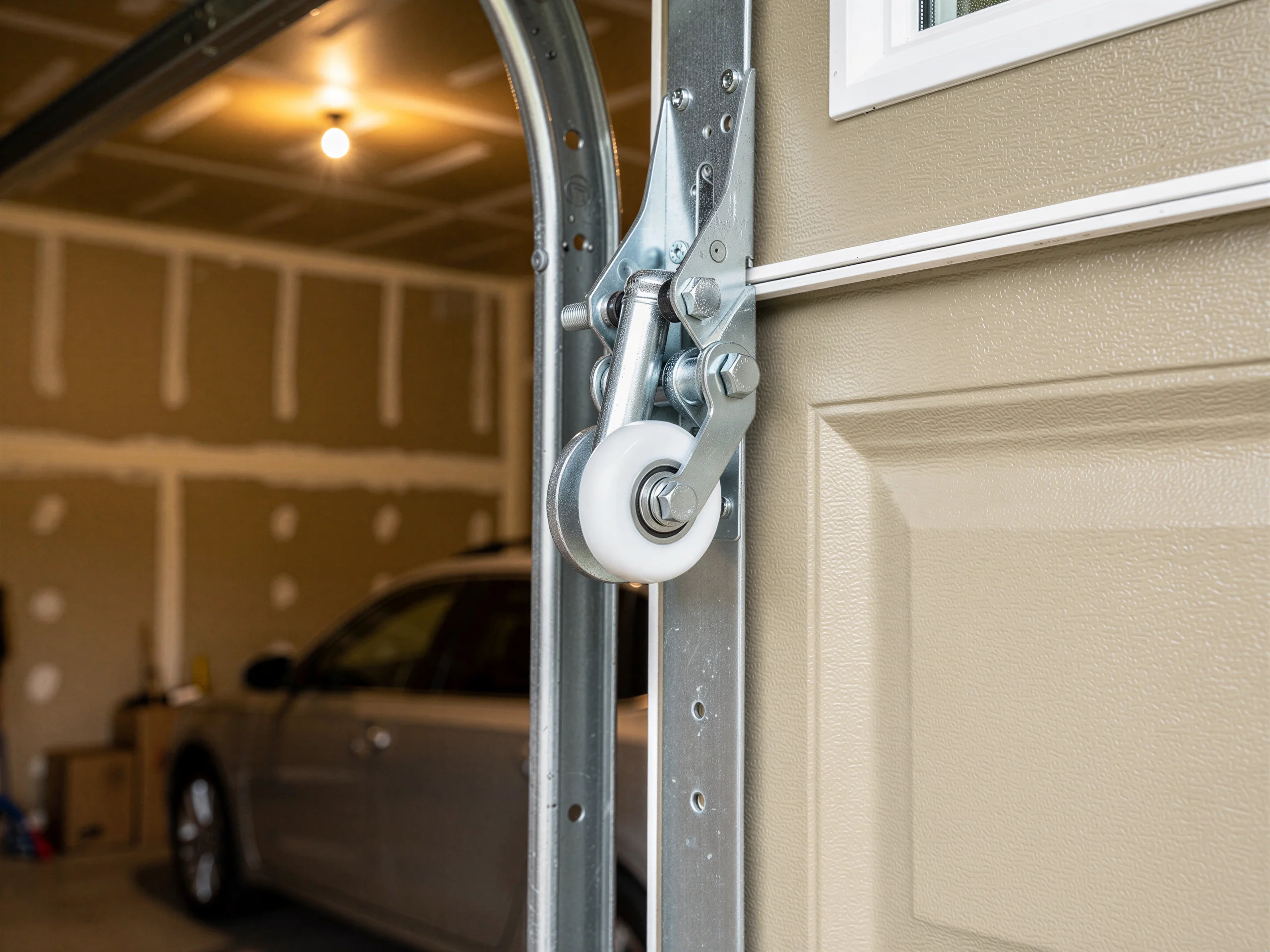
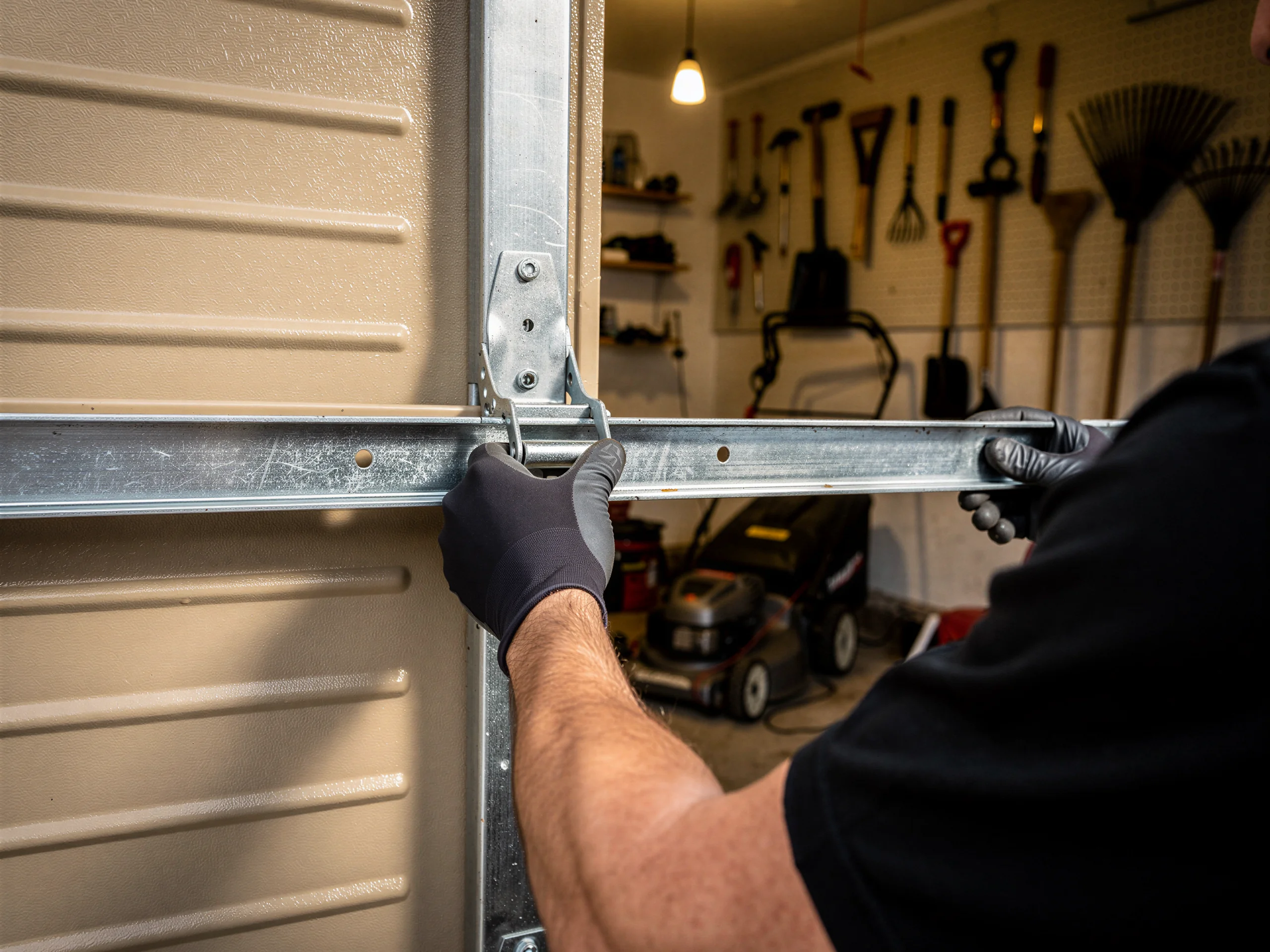
Nash is a short pull from our shop in Texarkana, about 3 miles, and that changes how a call here actually runs. We don't need to guess what's on the truck before we leave - a house in Nash built around the early 1990s almost always means steel sectional panels, extension or torsion springs sized for a lighter door, and steel rollers rather than the nylon ones that showed up later. Those parts stay loaded because the pattern holds across most of the area's stock. If your door was built closer to 1984 - more common a few miles over in parts of the wider service area - the hardware skews a little older, but Nash itself leans newer, closer to 1992 as the typical build year. That three-mile drive means less time guessing on-site and more time actually working, since the truck is already carrying what a 1990s-era Nash door is likely to need: torsion spring sets, standard-width track, and steel panel sections rather than the heavier insulated ones found in newer builds elsewhere.
The DIY Question
A lot of Nash homeowners ask if they can handle a spring or cable themselves, and the honest answer is: not the spring.
Springs too dangerous to DIY
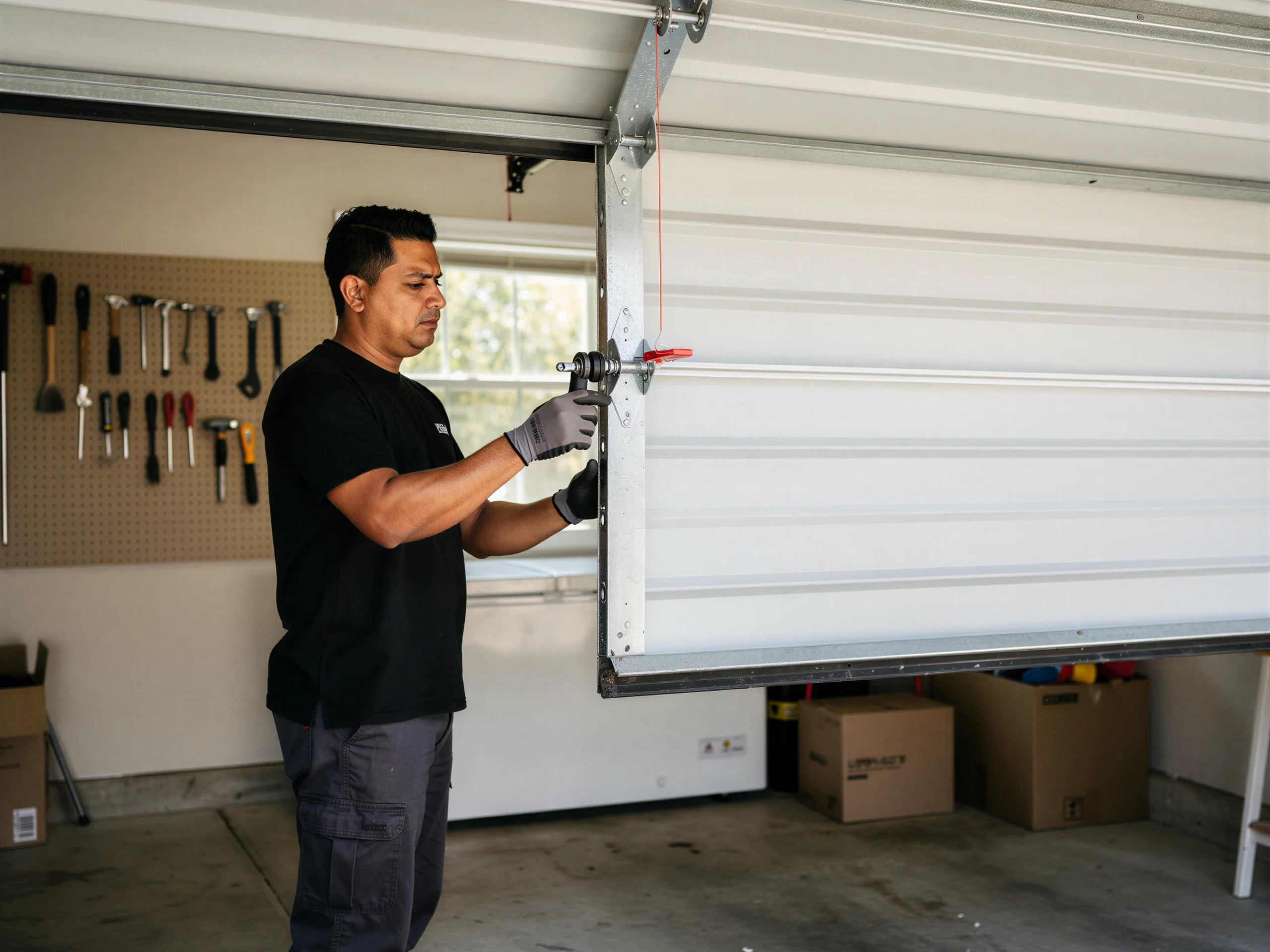
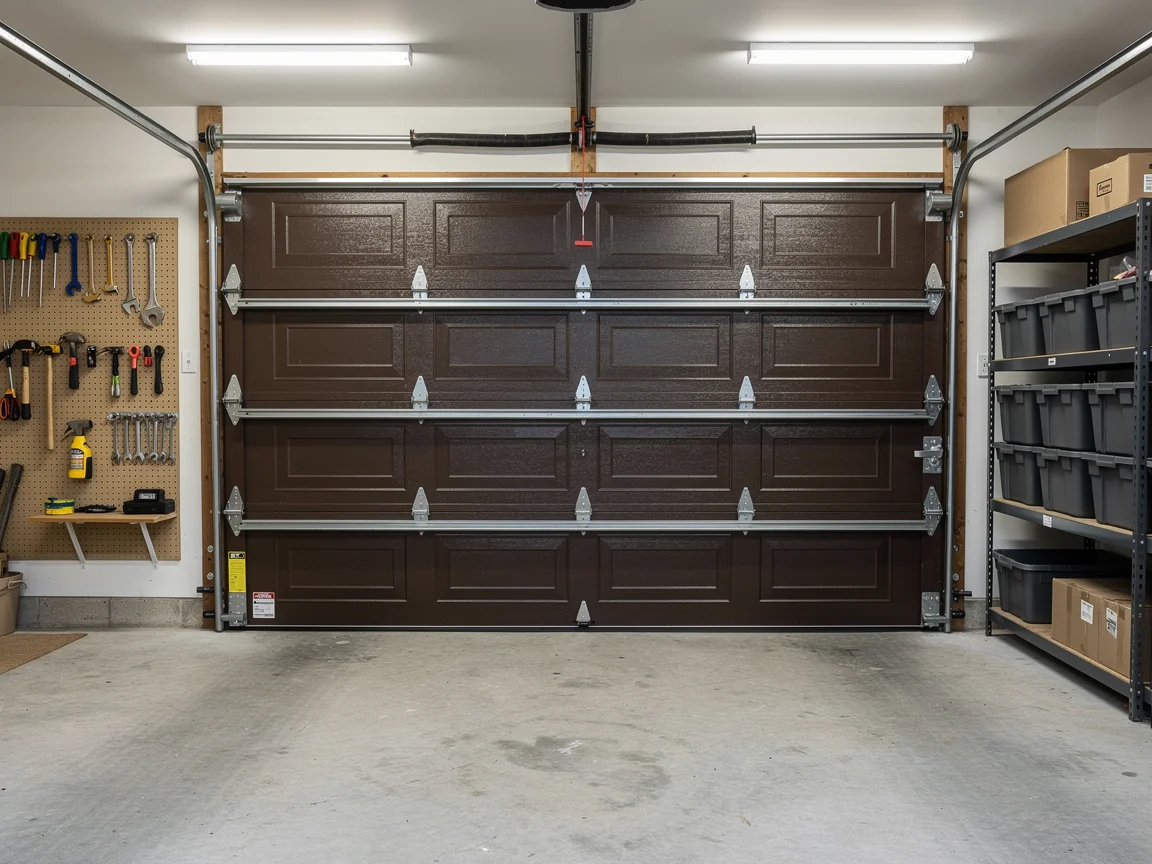
Torsion springs are wound under enough tension to break a wrist or worse, and that's true no matter how old the door is. Rollers, a loose bracket, or a misaligned sensor - those you can look at yourself.
Lopsided panel means cable
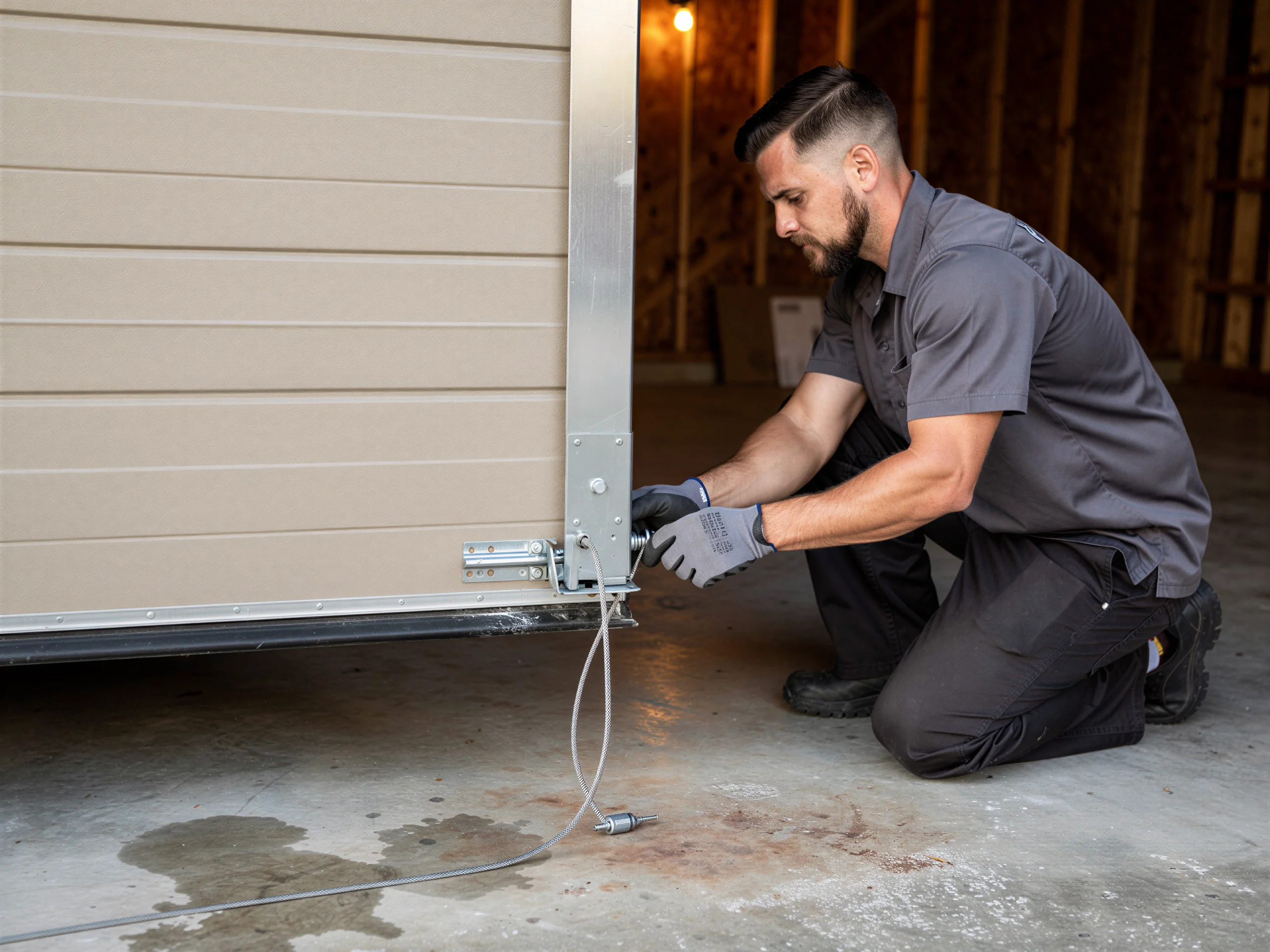
If the door won't budge and one side of the bottom panel is noticeably lower than the other, that's a cable or spring problem, and it's not a weekend job. We'll say plainly when a fix is simple enough to skip the call, because not every rattle needs a truck.
What You Are Seeing
With most Nash houses built around 1992, the doors coming due for repair now are pushing past 30 years on original hardware in a lot of cases. The common complaints track that age: springs that have lost tension and make the opener strain on lift, rollers worn enough to groove the track, and steel panels that have started to bow at the bottom where water and sun hit hardest. Texarkana's climate band runs moderate heat, which is kinder to doors than a true extreme-heat zone, but three decades of daily expansion and contraction still works springs loose and dries out roller bearings. If your opener runs longer than it used to before the door actually moves, that's usually the spring losing its wind, not the motor failing.
The Complications
Nash doesn't have a dense commercial strip or multi-unit complexes pulling service trucks through constantly, so most calls here are single-family houses on original 1990s-era doors - which keeps the job fairly predictable.
Hardware age mismatch
The complication isn't the neighborhood, it's the age match: original hardware from the early '90s sometimes doesn't match what's stocked new, especially spring wind direction or bracket spacing on older torsion setups.
On-site measuring over guessing
When that happens we measure on-site rather than assume, because a part that looks right but is sized wrong will fail again inside a year. The short drive from Texarkana means we're not losing a half-day to travel if a second trip for a non-stock part turns out to be necessary.
The Cost of This Job
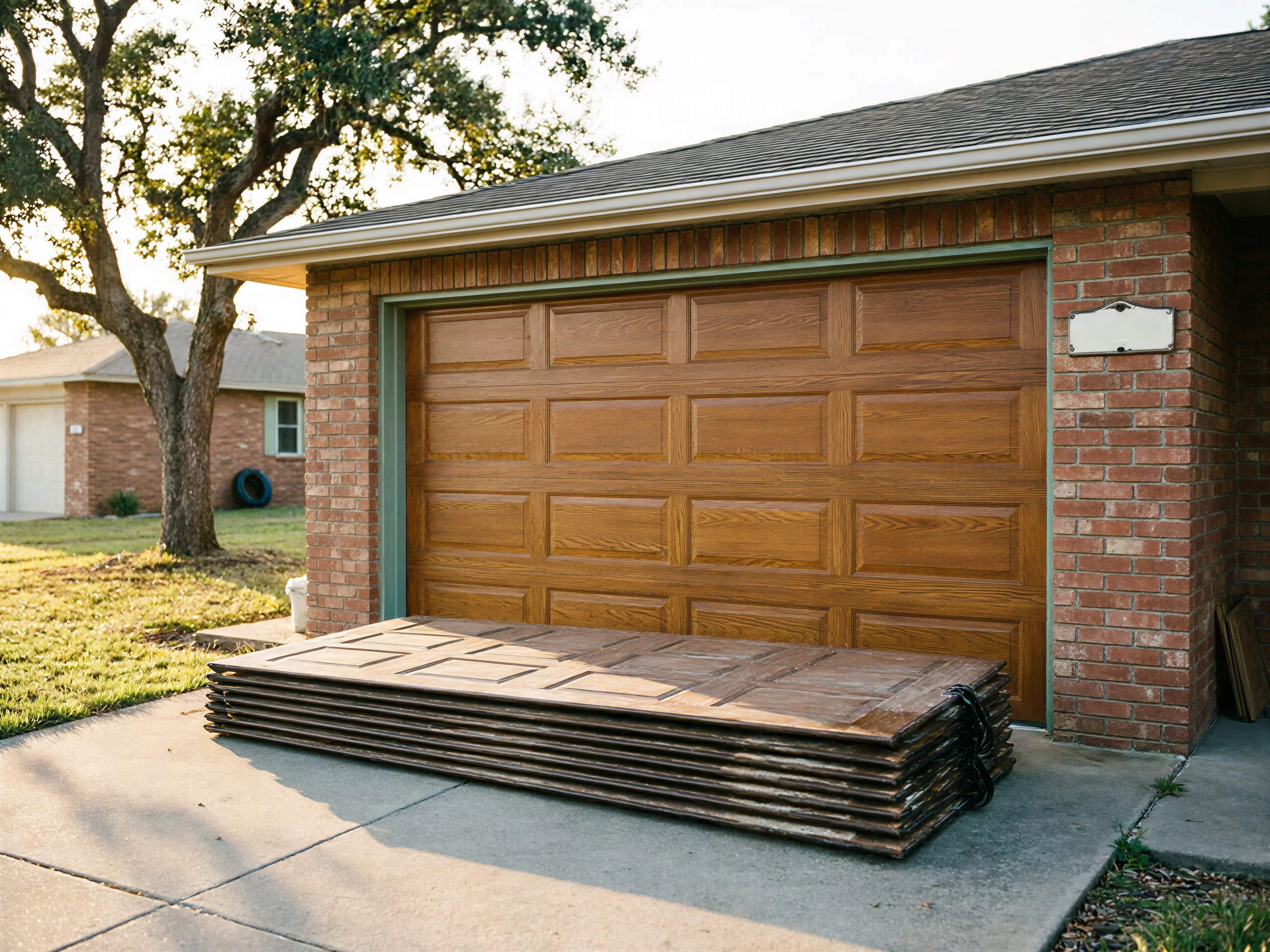
Nash's median household income sits around $36,705, noticeably below the roughly $51,346 median across the wider service area, and that's worth saying plainly because it changes the math on repair versus replacement. On a door from the early '90s, a spring swap or roller set is almost always the cheaper and more sensible call than a full replacement, and we'll say so even when a new door would look better. Replacement only makes sense when the panels themselves are bowed or rusted through, not just when the hardware is tired. We price the job in front of you before any work starts, and we won't push a bigger job than the door actually needs.
Talk to a local pro
Garage door service in Texarkana?
Same-day service with honest, upfront quotes.