Stocked Parts
Leary is a small place - about 225 households, nothing like the call volume we see closer to Texarkana. That means we don't warehouse anything specific to Leary; every opener for a job out here rides on the truck from Texarkana, 7 miles away.
Local build-year mix
What we do stock reflects the housing stock itself: most garages in this area went up when the local median build year sits around 1986, which lines up with the wider service area's 1971-1992 range.
Chain-drive wall buttons
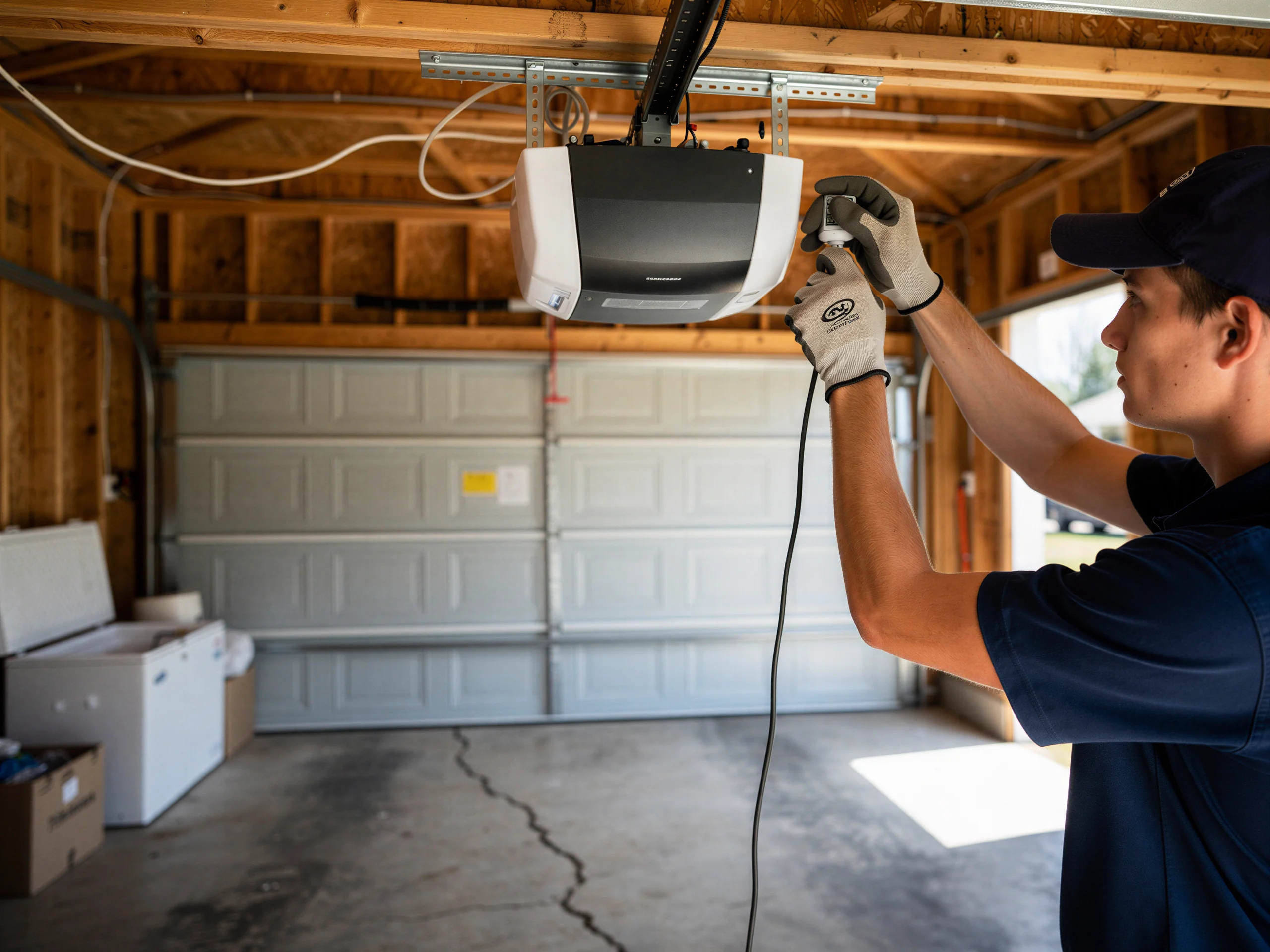
That era means chain-drive openers on steel track, often wired to a single wall button with no keypad, no safety-eye sensors added until later retrofits. When we swap one of these out, the bracket spacing and header clearance are usually built for a 1/3-horsepower unit, not the 1/2-horsepower or belt-drive units most homeowners ask for now.
Adapter brackets for mismatch
We carry adapter brackets and rail extensions for exactly that mismatch, because it comes up more often in a neighborhood this age than it would in newer construction. We don't stock every belt-drive model on the market - if you want a specific smart-home brand with proprietary rail hardware, expect us to order it and come back.
The Cost of This Job
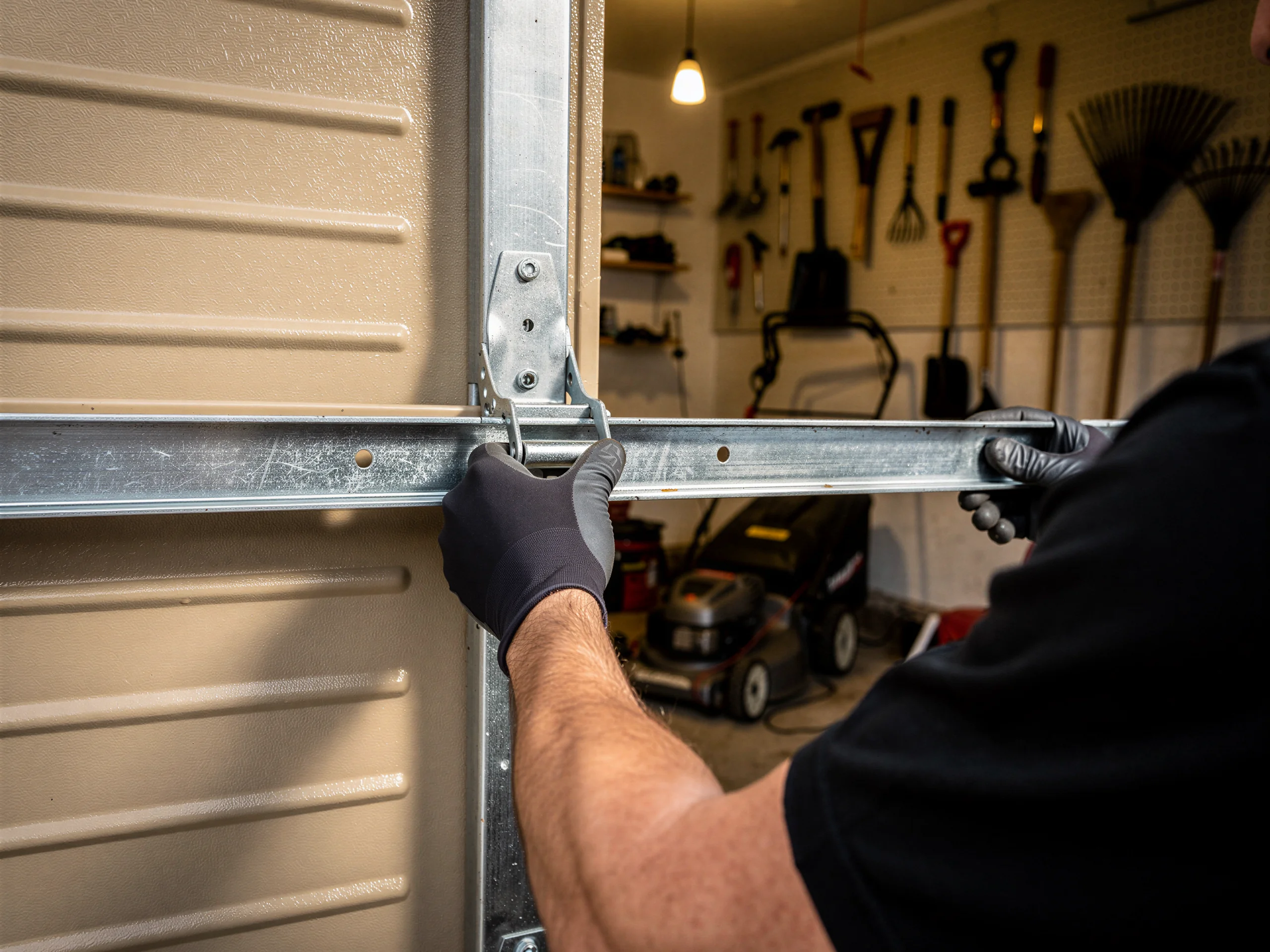
Household income here runs close to $53,750, a bit above the wider service area's median of $51,346. That gap doesn't change what an opener costs, but it does shape what we see homeowners choose - fewer bare-bones chain units, more mid-tier belt-drive models with battery backup, since outages aren't rare out this way. The job itself is priced the same whether the house is in Leary or anywhere else we drive to: unit, labor, disposal of the old opener, and a trip charge that reflects the 7 miles from our shop. What moves the number up is what we find once the old unit comes down - on a house built in the mid-1980s, we often find the header bracket needs reinforcing or the existing track is bent from age, and that's not part of a stock quote until we're standing in the garage.
The Complications
The complication in Leary isn't the opener - it's everything bolted to it. A house from 1986 almost never has the opener's safety reversal sensors from the factory; those got mandated later and retrofitted unevenly, so we frequently find one sensor missing, miswired, or taped over because it kept false-triggering on an uneven slab.
Sensors must work first
We won't install a new opener on a door that doesn't have both sensors working, full stop - it's not a corner we cut, even if it adds a return trip while a part gets ordered.
Heavy single-panel door strain
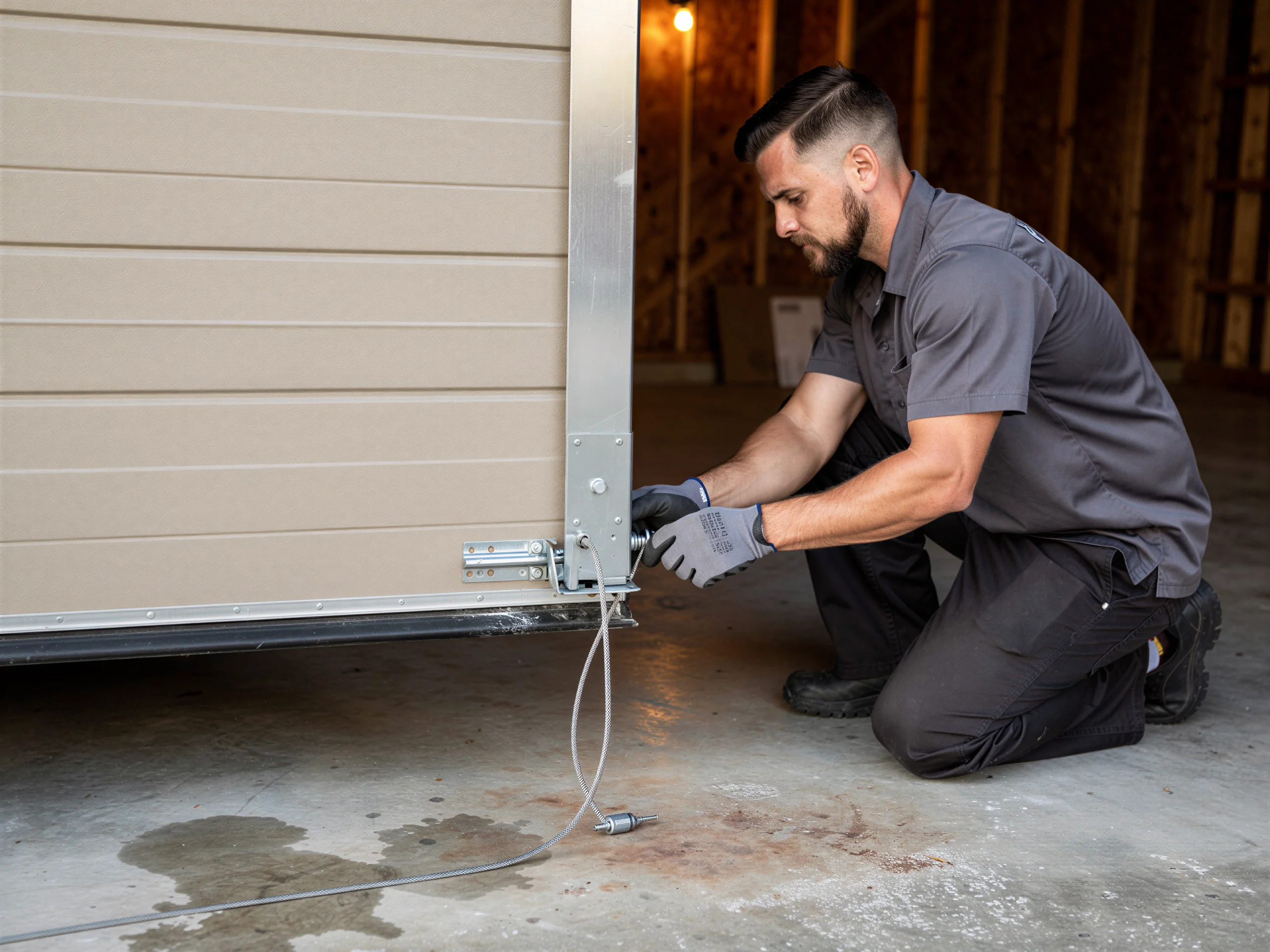
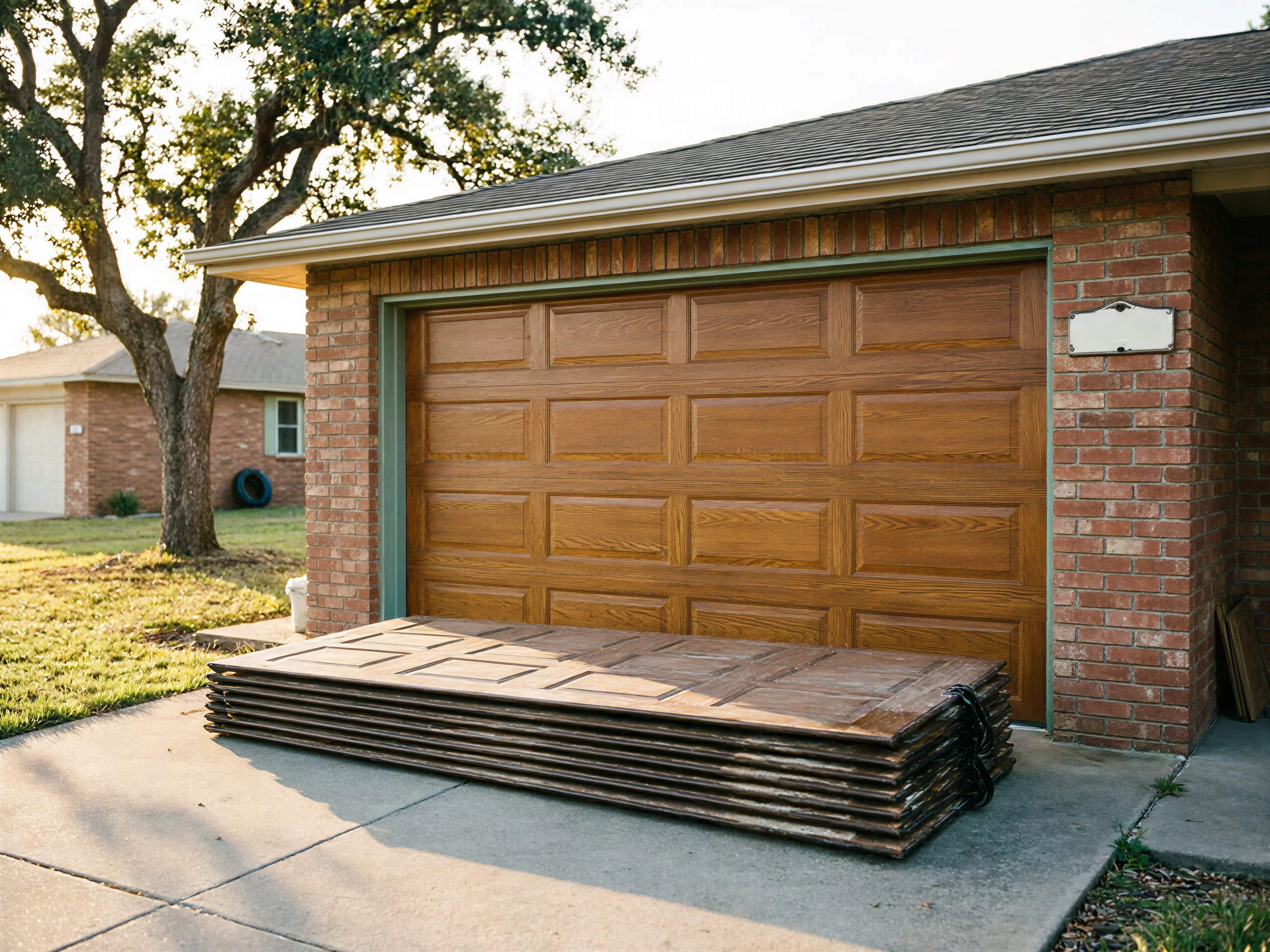
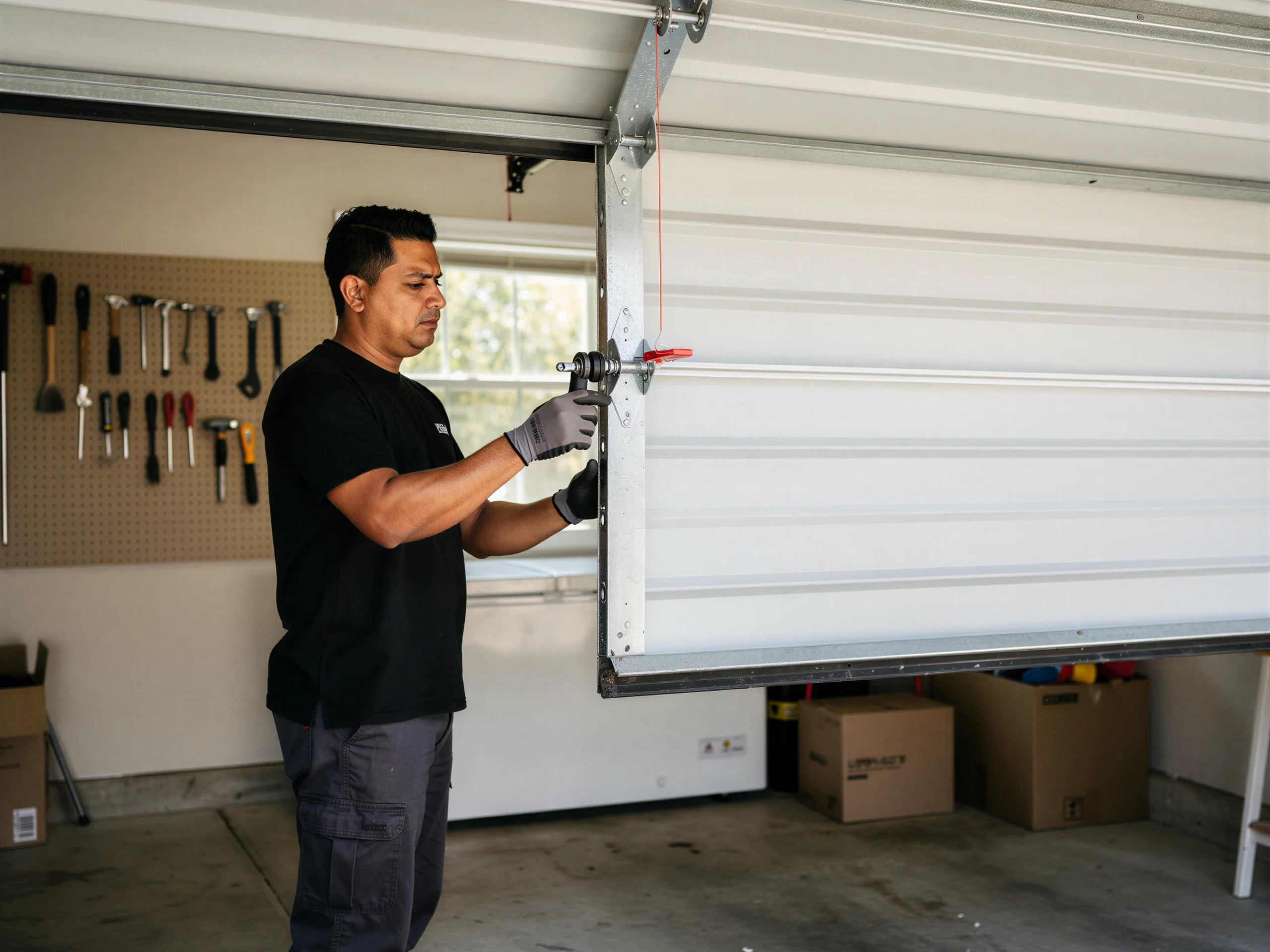
The other recurring issue is the door itself: a 1980s-era single panel door is heavy for today's openers, which assume a lighter, insulated door. If the spring system hasn't been touched since the door went up, the new opener will strain against it and burn out early. We check spring balance before we mount anything, every time.
The DIY Question
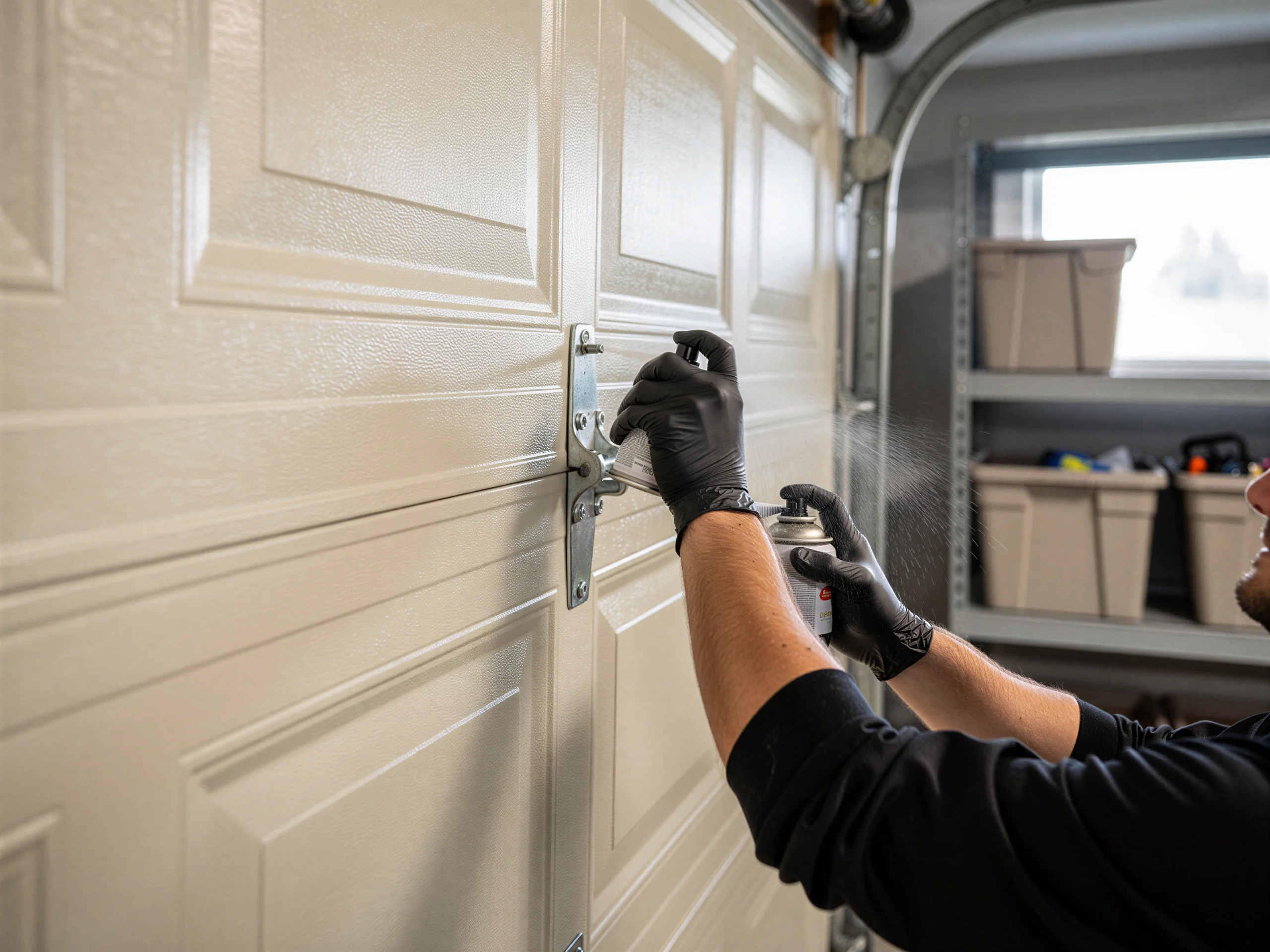
A homeowner can hang a modern opener on a garage this age - the bolt pattern and bracket spacing are well documented. What trips people up is the retrofit wiring for the safety sensors on a door that's never had them, and getting the travel limits set on track that's slightly out of square after 35-plus years. We've been called out to finish jobs that stalled at that point. If you're comfortable with electrical work and patient with adjustment, it's doable. If the door binds, sticks, or the opener strains partway through the first test run, that's the moment to stop and call it in rather than keep forcing it - a motor burns out fast when it's fighting a door that isn't moving freely.
Talk to a local pro
Garage door service in Texarkana?
Same-day service with honest, upfront quotes.