
Stocked Parts
Most houses in Leary went up around 1986, which puts this town squarely in the builder-grade era when steel sectional doors were standard but the spring setup underneath them wasn't consistent from one subdivision to the next.
Spring type varies
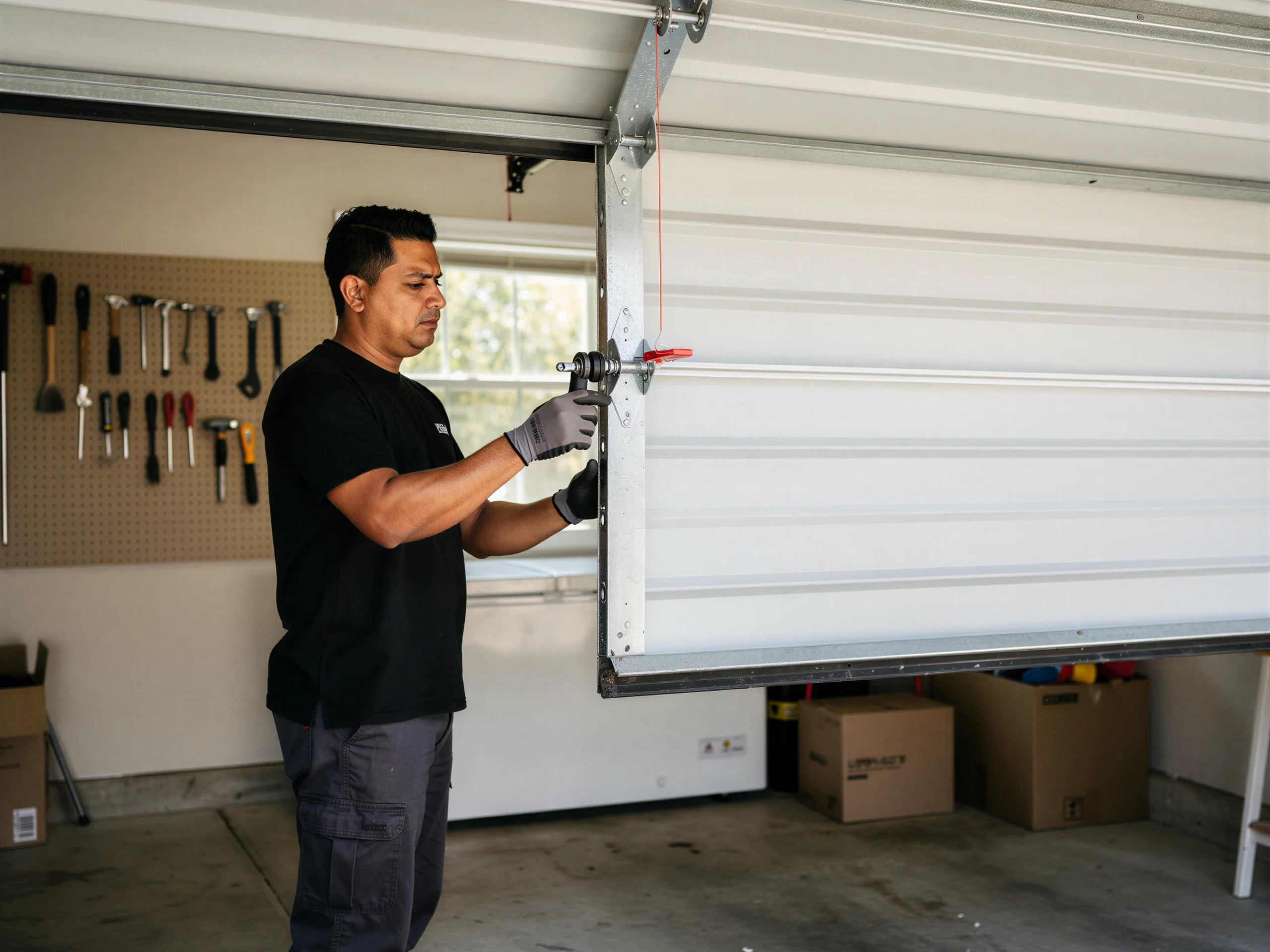
Some of these doors still run on extension springs with a center support bracket; others got torsion springs as that hardware became more common through the late 1980s. When a spring snaps on a door this age, the fix depends on which system is actually on the track, not on what's newest or easiest to order.
Residential spring weights
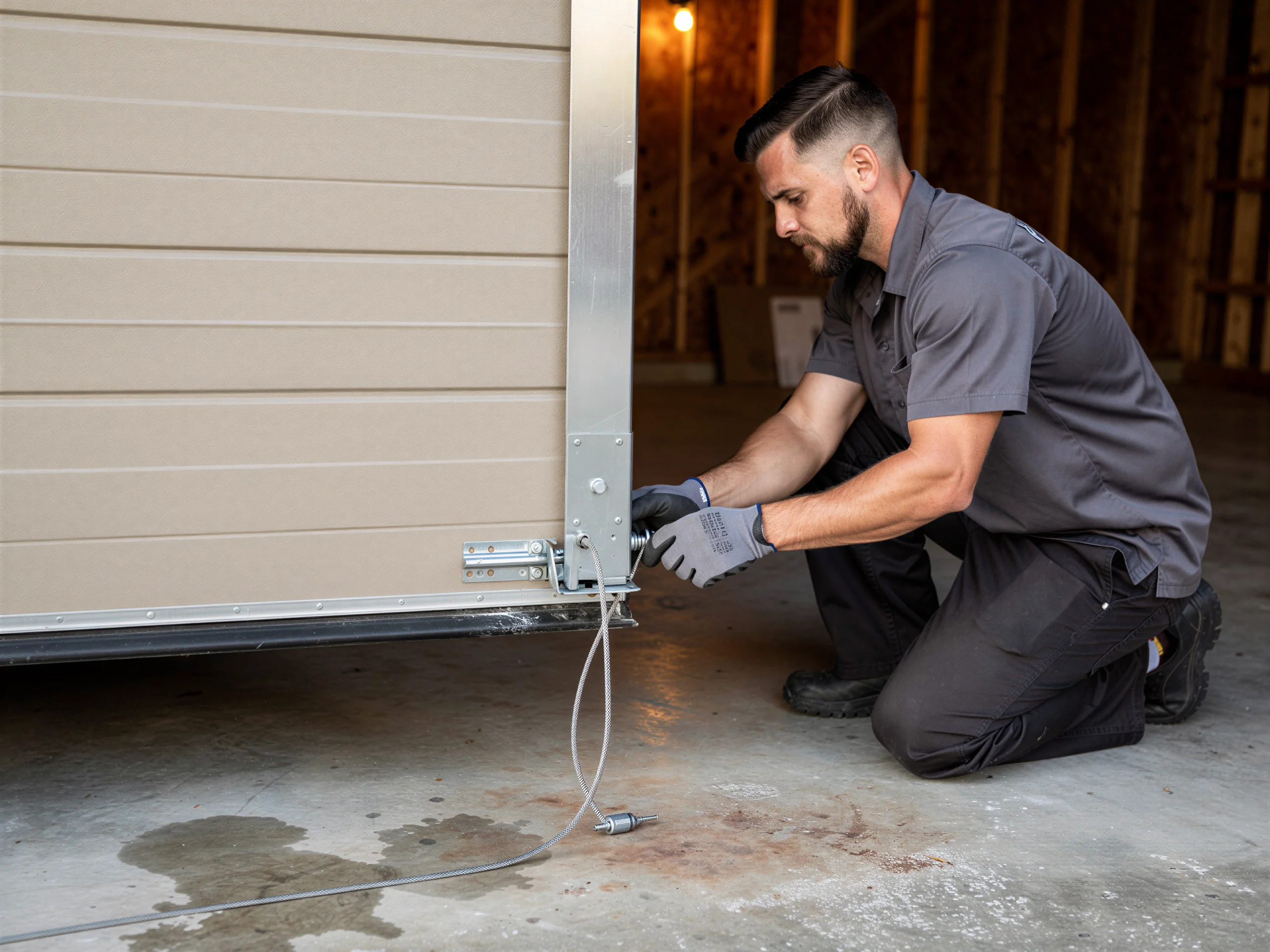
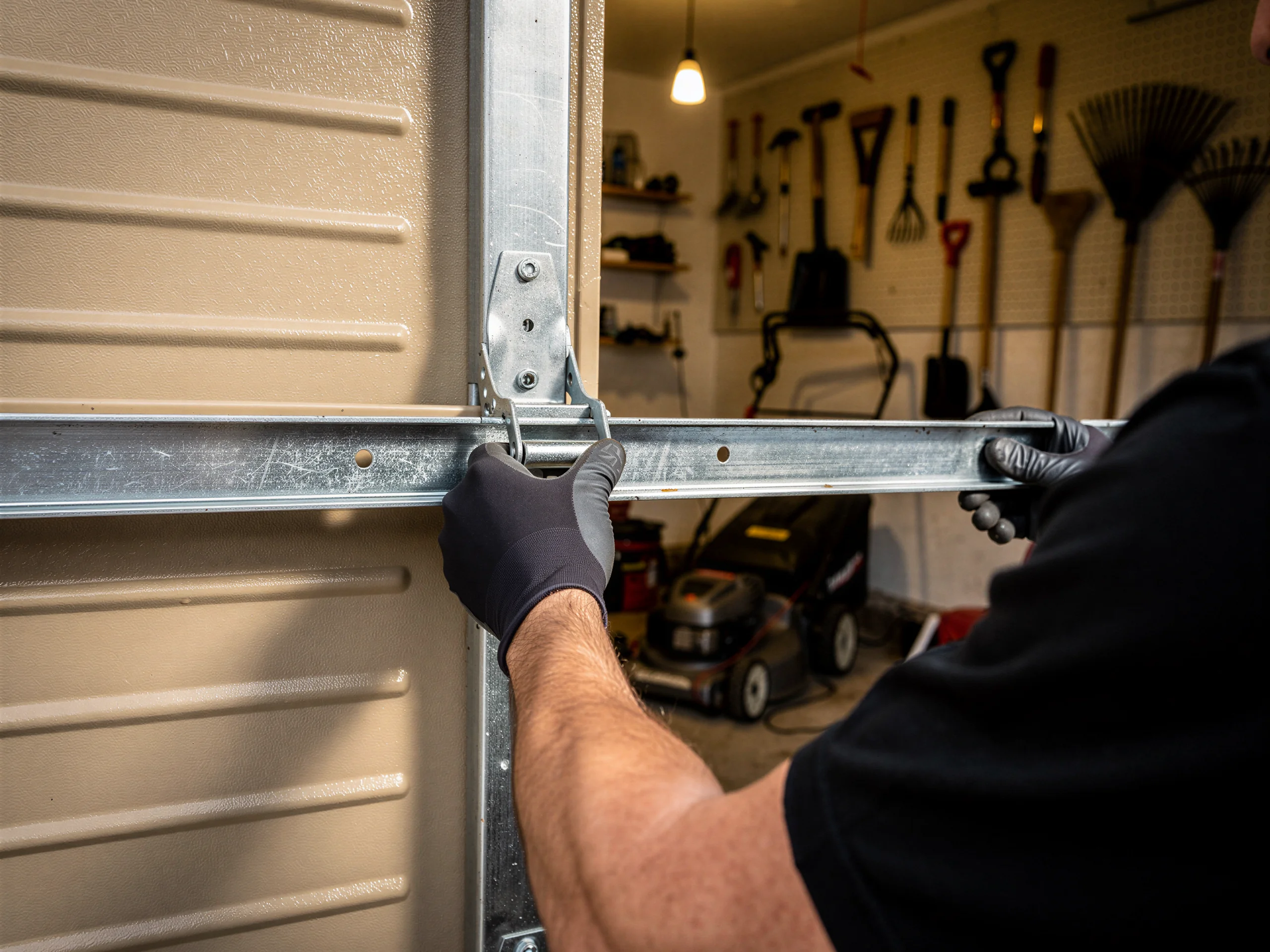
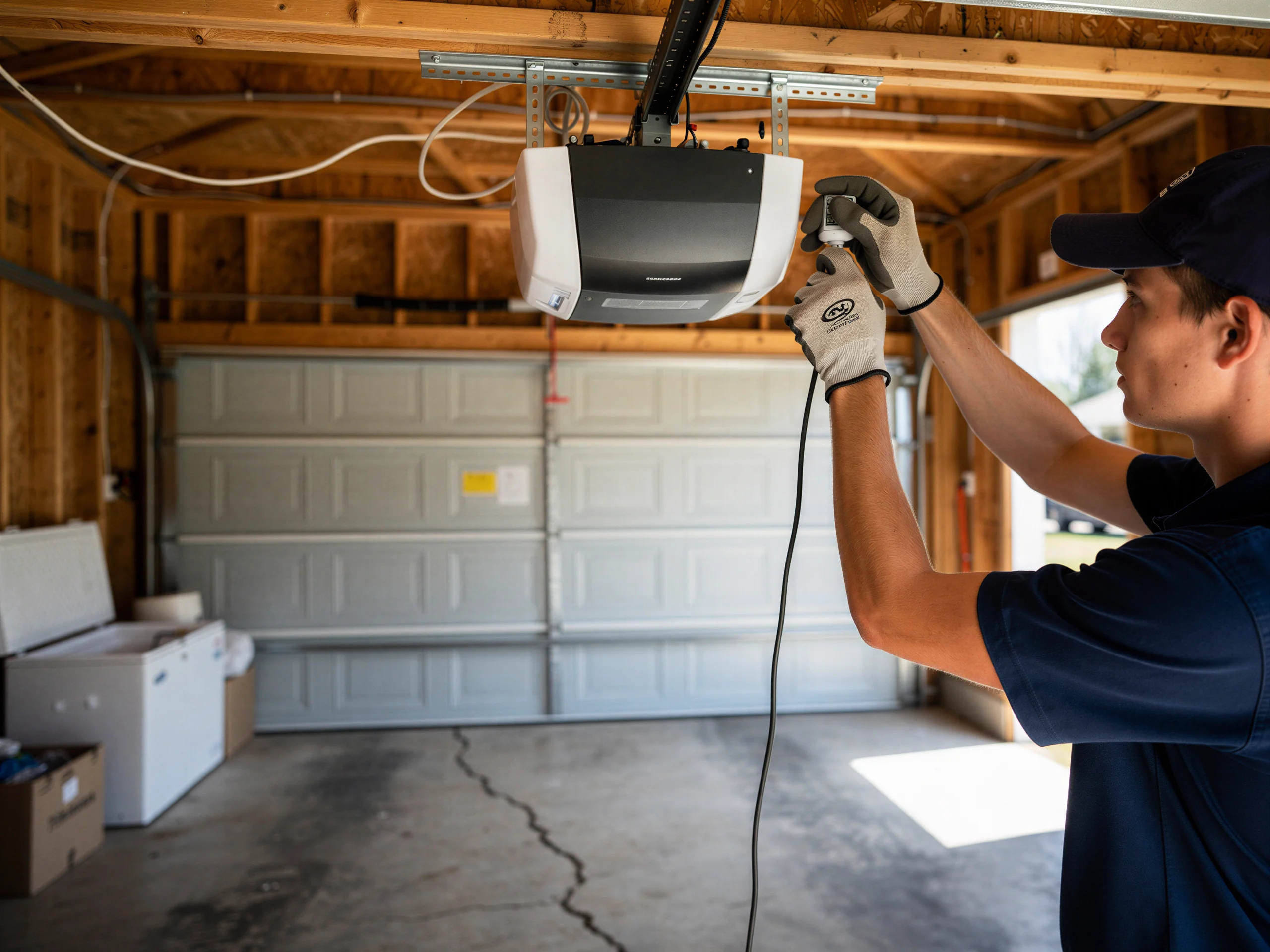
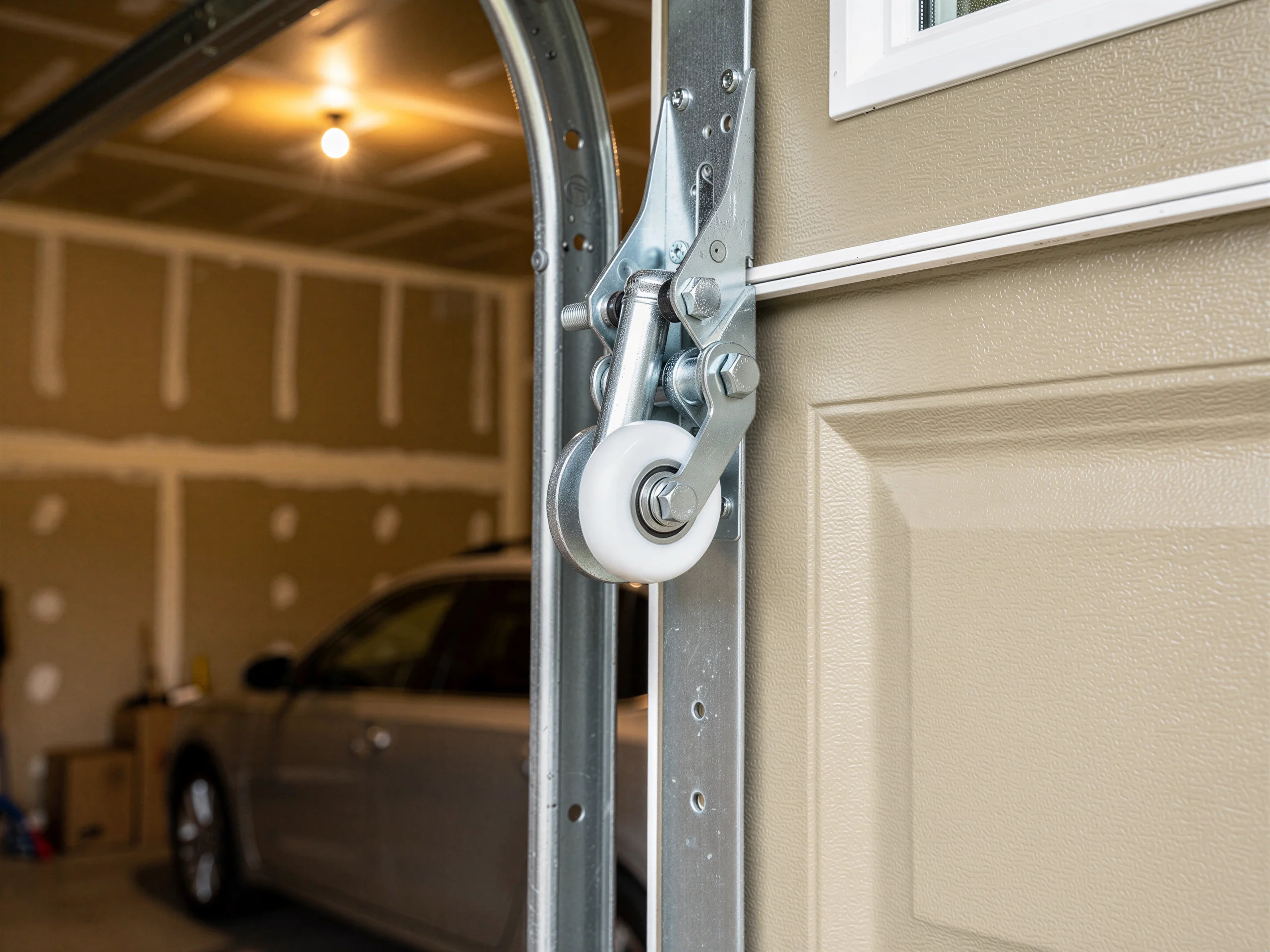
We carry torsion springs in the common residential weight ranges and extension spring sets on the truck, along with standard rollers, cables, and hinges sized for the sectional doors that dominate here. Openers from this era are mostly long past their working life, so a failed opener on a house built in the mid-1980s is usually a replacement call, not a repair call.
Obsolete custom door parts
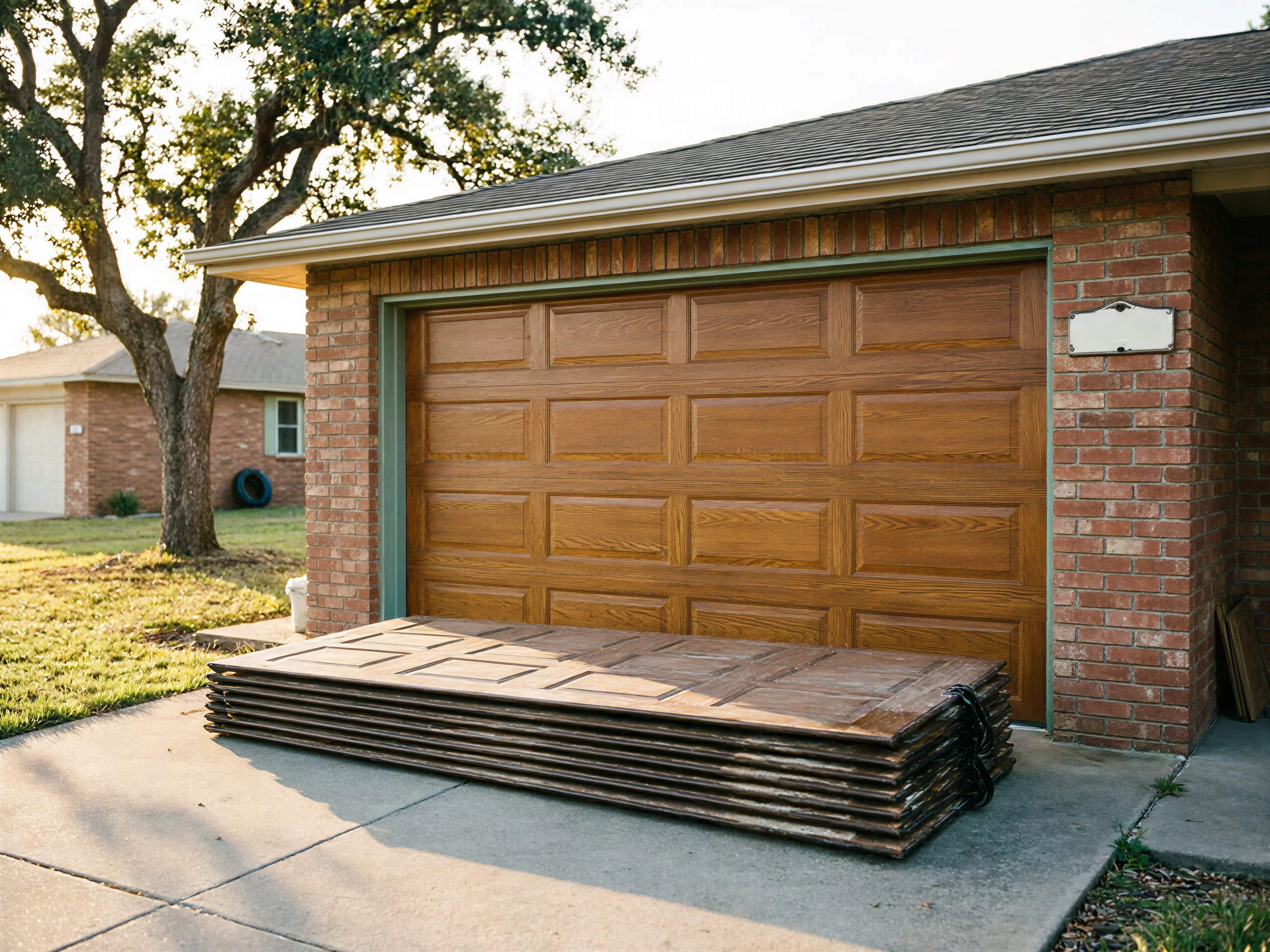
We stock a limited range of openers on the truck and can usually get the rest same-trip from Texarkana, which is 7 miles out. What we don't carry cold: obsolete parts for doors that were custom or non-standard sizes when they went in. If a panel or track was cut to fit an odd opening, that part gets ordered, and we'll tell you that on-site rather than make you wait to find out.
The Cost of This Job
Leary runs about 225 households with a median income near $53,750, a notch above the wider service area's median of roughly $51,300. That doesn't change what a spring or cable costs, but it does shape the kind of call we get here: more owners asking for the repair done right the first time rather than the cheapest patch, since a second truck roll costs more than doing the job properly once.
Spring type changes price
A broken torsion spring on a single door is a different bill than a broken extension spring setup on a double door with a bent track, and we won't quote either over the phone without seeing the hardware.
House age sets price
What we can tell you is that the age of the house is the first thing that sets the price range, because it tells us whether we're replacing a spring that matches current stock sizes or working around something a previous owner welded, modified, or mismatched over the years.
No sight-unseen quotes
We don't do flat-rate pricing sight unseen, and we're not going to pretend we do just to sound simple. The honest version is: tell us the symptom, we'll tell you the likely cause, and the number comes after we're standing in front of the door.
The Complications
Doors built around 1986 are old enough now that a straightforward spring job sometimes turns into something bigger once we're on-site. Torsion bar bearings that have never been serviced seize up and take the drum with them.
Sagging extension springs
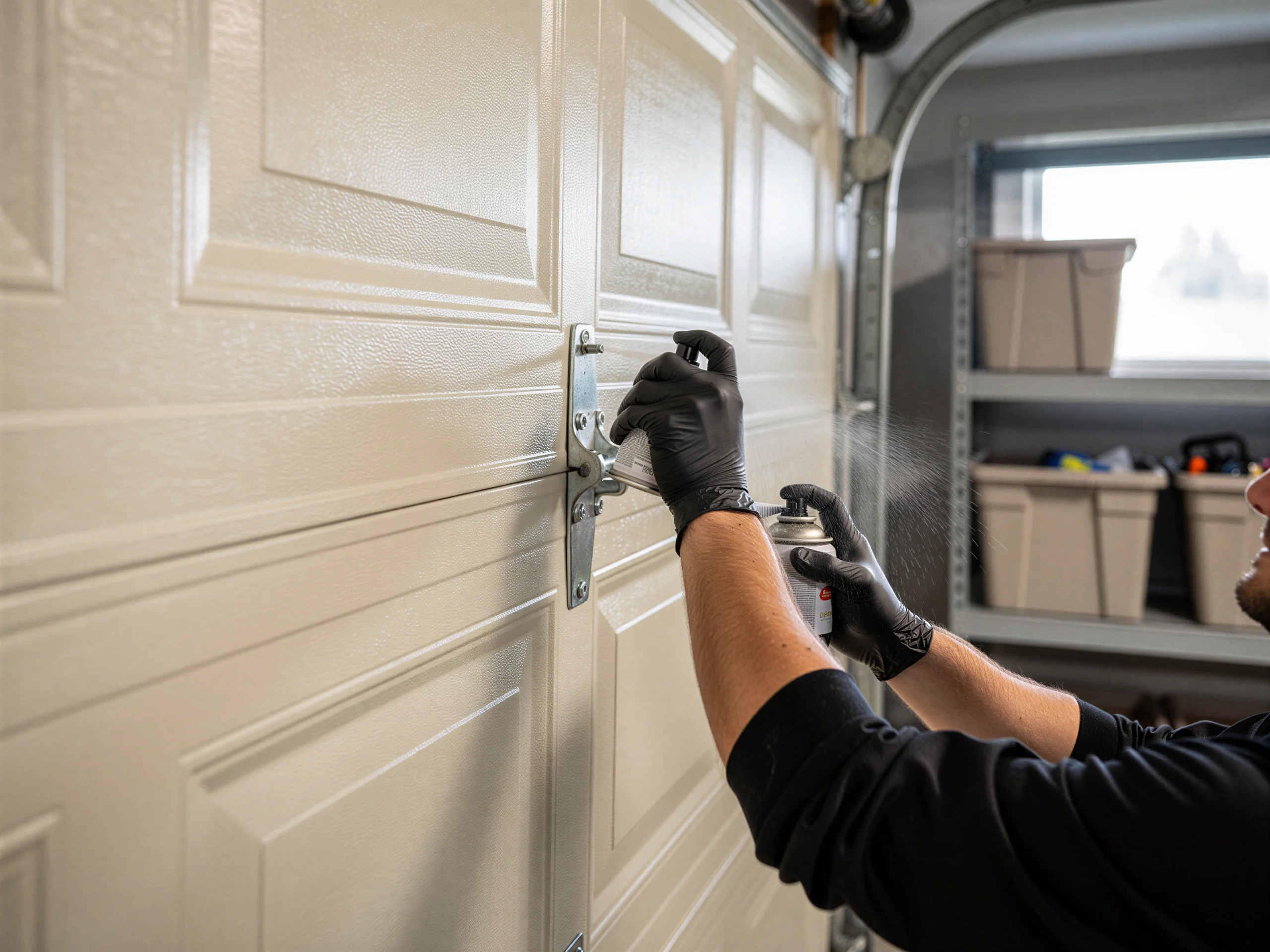
Extension spring doors that have sagged over three decades put uneven tension on both cables, so replacing one without checking the other just moves the failure point. The moderate heat this area sees doesn't crack doors open on its own, but it does dry out lubrication and speed up rust on hardware that's been sitting since the Reagan administration.
Temperature swing failures
A spring that looks fine from the driveway can be one temperature swing away from letting go, and that's usually the call we get: a door that worked yesterday and won't move today. The complication we can't fix from the truck is a door that was never sized or installed right to begin with.
Square opening matters
If the opening is out of square or the track was shimmed wrong decades ago, a new spring buys you a few months, not a few years. We'll say so rather than sell a repair we don't believe in.
The DIY Question
A torsion spring under tension can break a hand or worse, and that's true whether the door is five years old or forty. We're not going to talk anyone through replacing one themselves, and any guide that tells you it's a weekend job with hand tools is leaving out what happens when the winding bar slips.
What an owner in Leary can reasonably check without tools: whether the door is binding on the track, whether a roller is visibly cracked, whether the cable looks frayed near the bottom bracket. None of those require touching a spring, and any one of them can tell us something useful before we even get there.
The one thing worth doing yourself is unplugging the opener and disconnecting the trolley if the door won't close and you need the garage secured overnight. That's a pull-cord job, not a wrench job, and it's safe. Beyond that, on a door this old, the hardware has enough stored energy and enough decades of wear on it that the smart move is to leave it closed and call, not to start loosening bolts to see what's wrong.
Talk to a local pro
Garage door service in Texarkana?
Same-day service with honest, upfront quotes.