Stocked Parts
Most houses on this stretch outside Texarkana went up around 1986, which puts the garage doors and openers from that build right at the point where original parts give out.
Single-layer steel panels
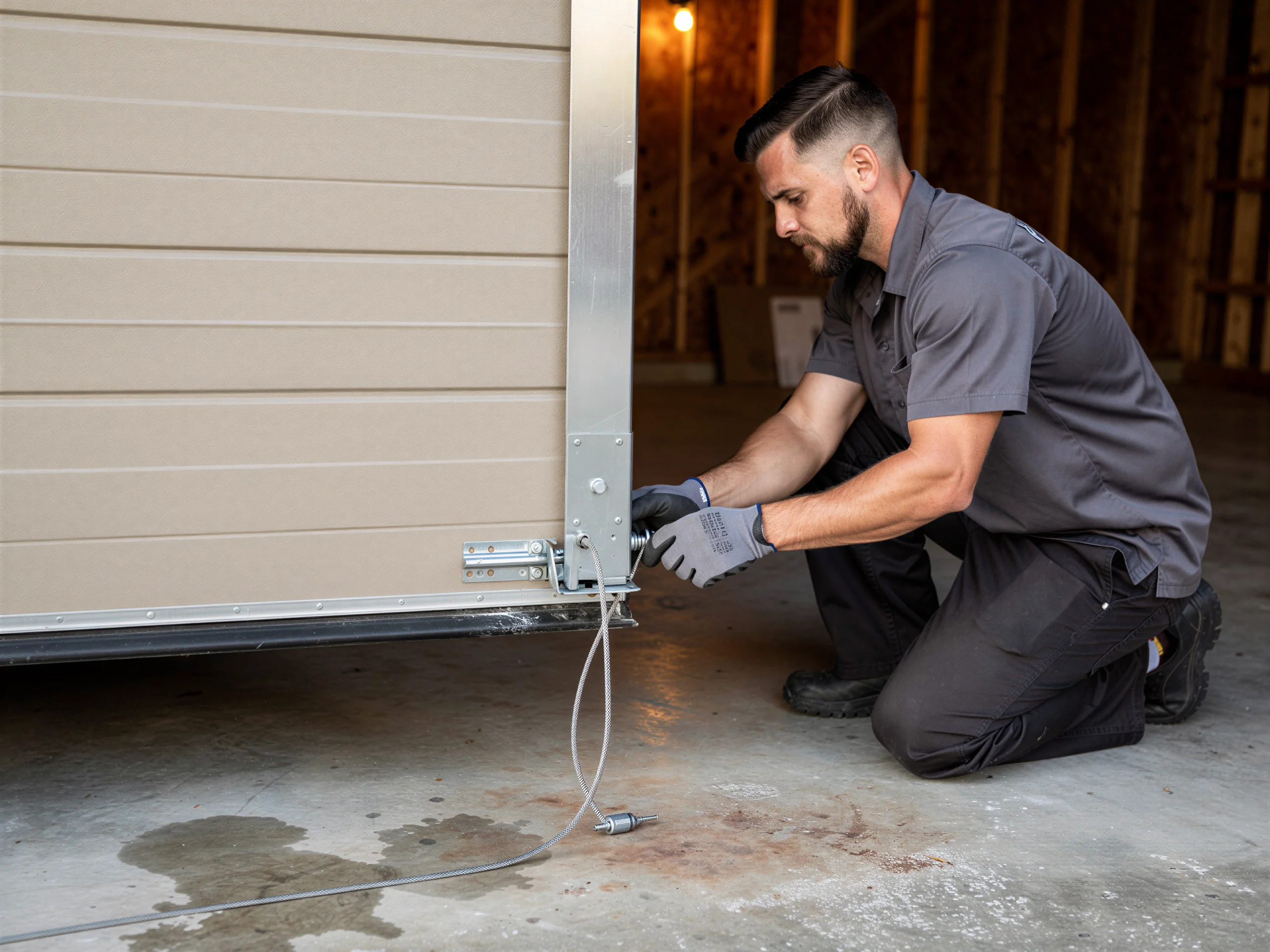
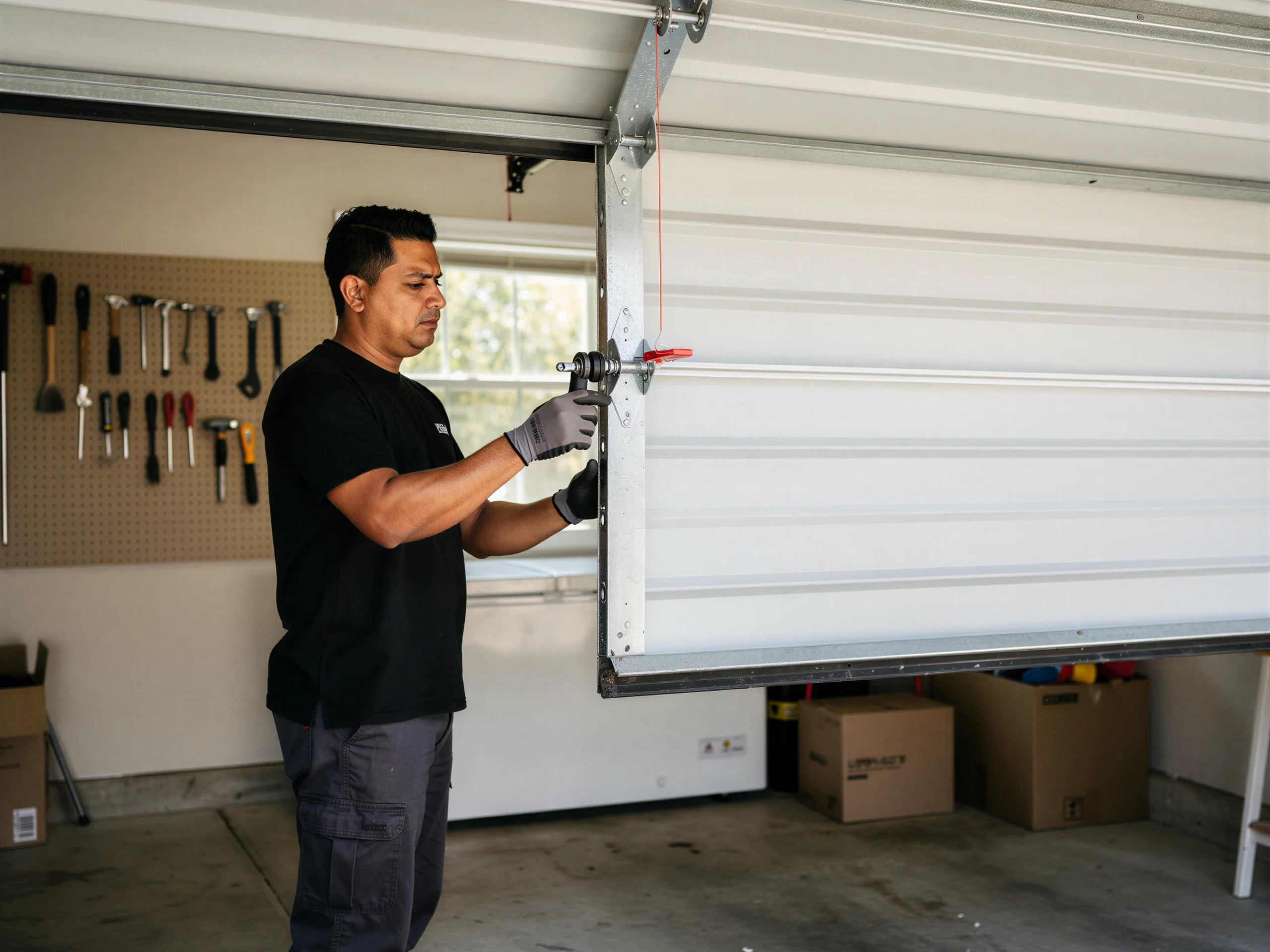
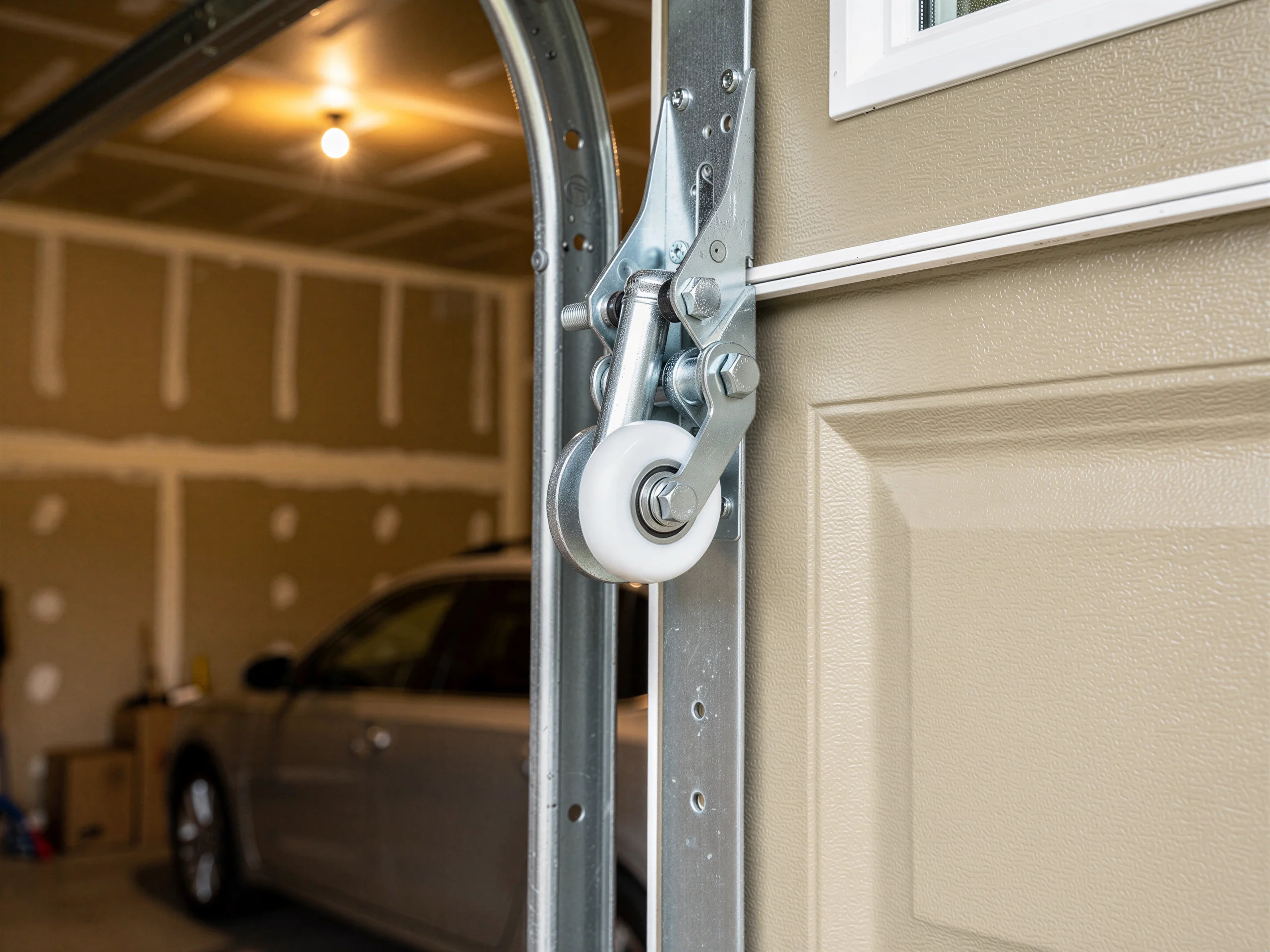
The steel panels from that era are usually single-layer, no foam core, and the springs are often the smaller-wind torsion units that were standard before heavier doors became common. We carry torsion springs sized for that mid-80s build, along with the galvanized rollers and end bearing plates that wear out first on doors this age.
Panel match takes time
What we don't always have on the truck is a matching panel for a door this old - steel profiles changed enough over the decades that an exact color or rib match sometimes means ordering in, which can take a few days. If a single panel is dented but the rest of the door is sound, we'll tell you that up front rather than push a full replacement.
Stock leans common
Because the service area runs across several decades of construction, our stock leans toward what shows up most: 1980s and 90s hardware. A door built well before or after that window sometimes needs a part we have to source special, and we'd rather say that than guess.
The Cost of This Job
A spring replacement on a door from the 1986 build range usually runs less than most people expect, since the torsion units from that era are a common size, not a specialty item.
Original opener gear failure
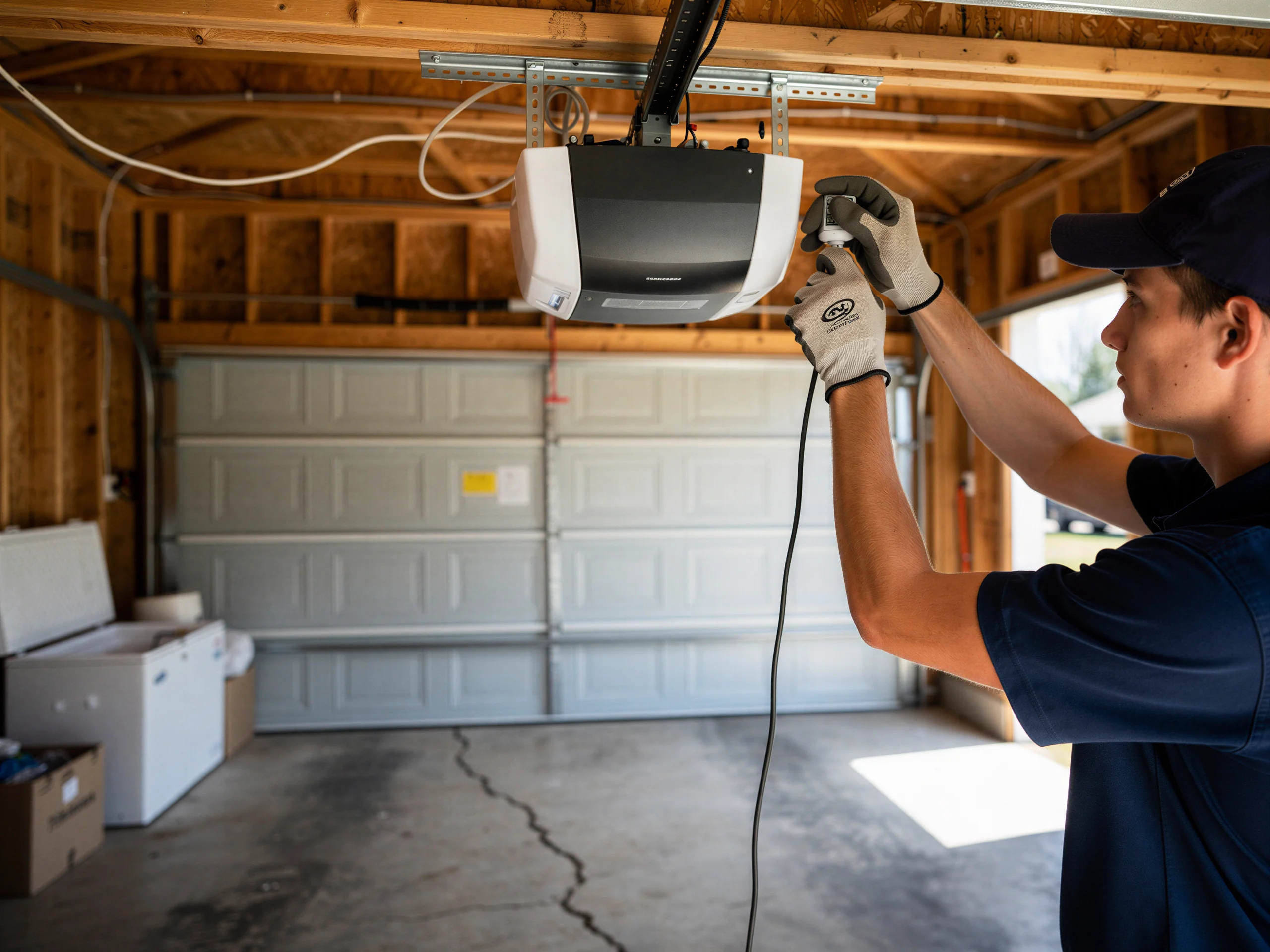
The bigger cost swing is whether the opener is original - openers from that period often fail at the gear or capacitor long before the motor itself quits, and a gear kit is a different job than a full opener swap.
Income favors repairs
Leary's median household income sits around $53,750, which tends to push homeowners toward repair over replacement when the door itself is still straight and the track isn't bent. We won't talk anyone into a new door when a spring, a cable, or a set of rollers solves the actual problem.
Damage makes replacement cheaper
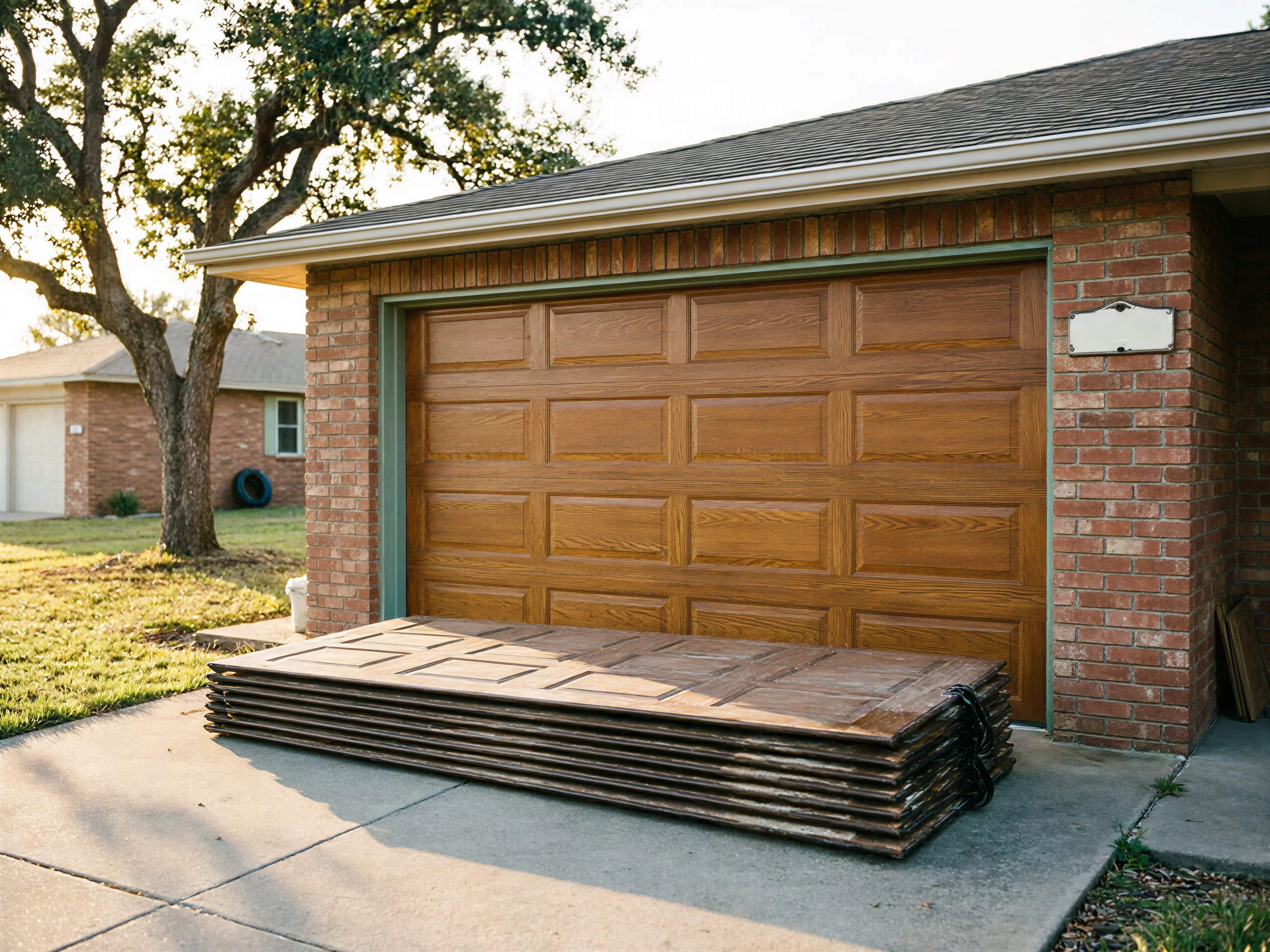
If the door has taken real damage - a bent track from a car backing into it, or rust-through on the bottom panel from standing water - replacement ends up cheaper over time than patching a door that keeps failing. We travel from Texarkana to reach Leary, about 7 miles, and that distance doesn't change the price of parts or labor - it's built into how we schedule the day, not into what's on the invoice.
The Complications
The main complication on a door this age isn't the spring - it's what's attached to it. Thirty-plus years of opening and closing wears the mounting hardware, the bottom bracket, and the track alignment long before most owners notice, so a spring swap alone sometimes reveals a track that's pulled loose from the jamb or a cable drum with grooves worn past spec.
Secondary issues appear
On a door built in the mid-80s, we expect to find at least one of these secondary issues, not as an upsell, but because the parts age together.
Shared building wave
Leary sits close enough to Texarkana proper, and near Nash and Wake Village as well, that a lot of the housing in this stretch came up in the same building wave - which means the failures tend to repeat from one house to the next. That's useful for us: we know what to check first on a door from this period instead of working through a generic troubleshooting list.
Weatherstripping wears away
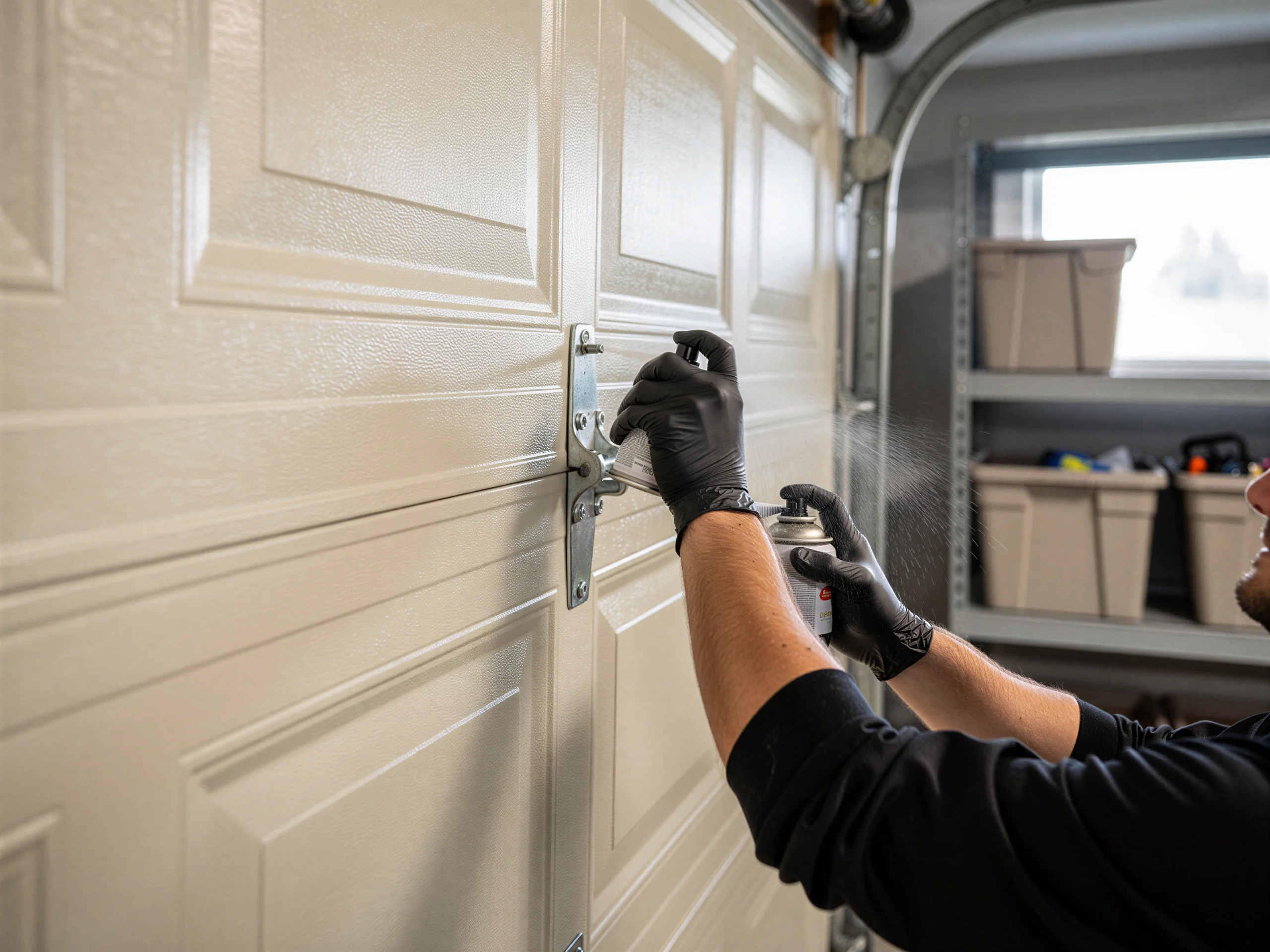
The climate here runs moderate on heat compared to harsher bands, so we don't see the same rate of warped steel panels that shows up in hotter regions - but original weatherstripping on doors this old is usually gone regardless, and that's a small, cheap fix worth doing while a tech is already there for something bigger.
The DIY Question
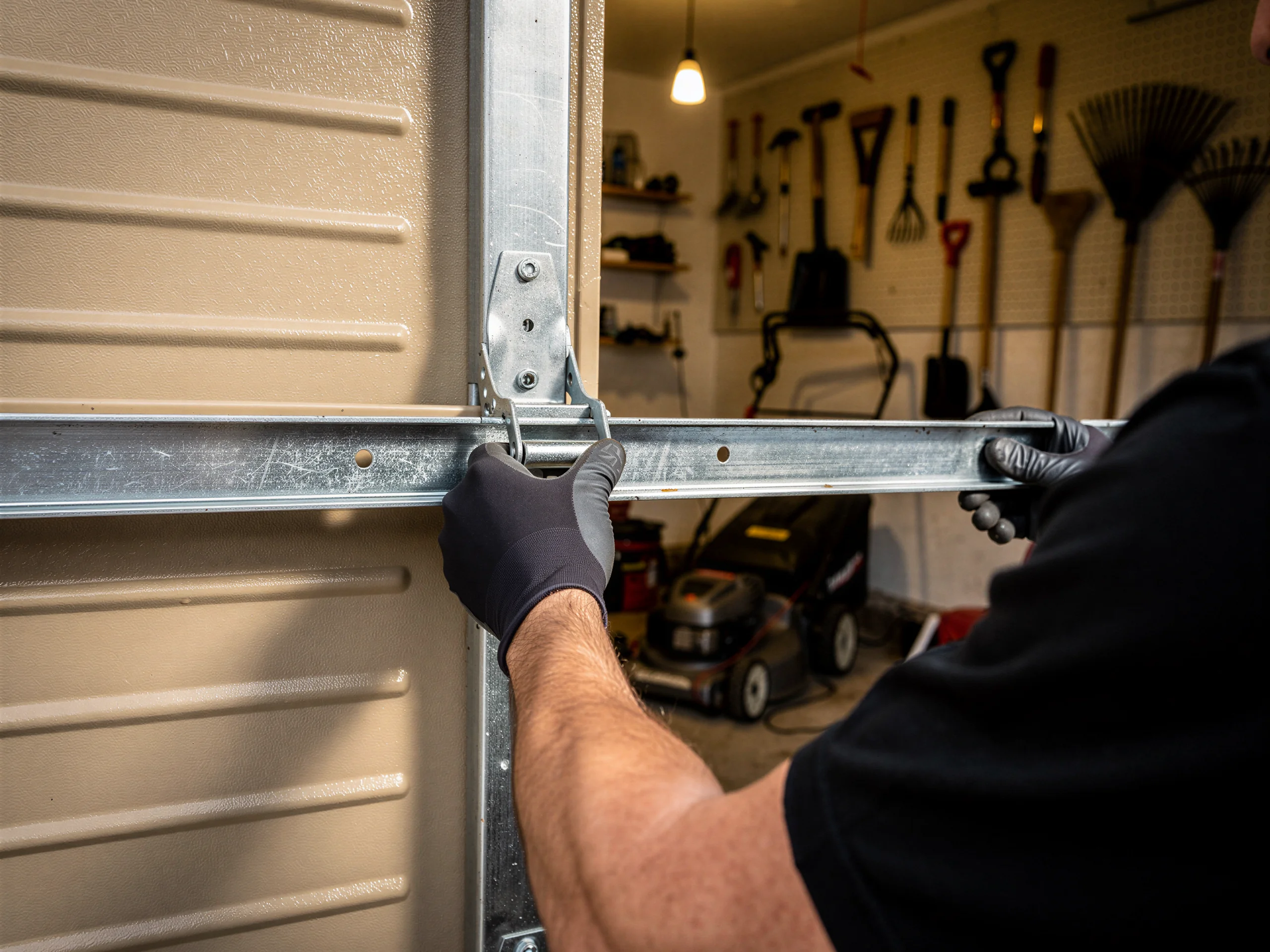
Swapping a torsion spring yourself on a door from this era is the one repair we'd actively tell you not to attempt - the springs are under enough tension to cause real injury, and the winding bars and spec knowledge needed aren't something most homeowners have sitting in the garage. Rollers, on the other hand, are a reasonable weekend job if the door is already down and the track is in good shape: unbolt the old bracket, swap the roller, done.
What trips people up on a house this age is assuming a part that looks fine is fine. A cable that's frayed on the inside of the drum, or a bottom bracket with a hairline crack, won't show obvious signs until it fails under load - usually while the door is open. If you're not sure what you're looking at, a quick call is worth more than an hour of guessing, especially on hardware old enough that replacement parts aren't always a same-day grab from a hardware store shelf.
Talk to a local pro
Garage door service in Texarkana?
Same-day service with honest, upfront quotes.