The DIY Question
Redwater sits about 12 miles from our shop in Texarkana, which matters for one reason: if a part needs a special order, you're waiting on a drive, not a same-day swap.
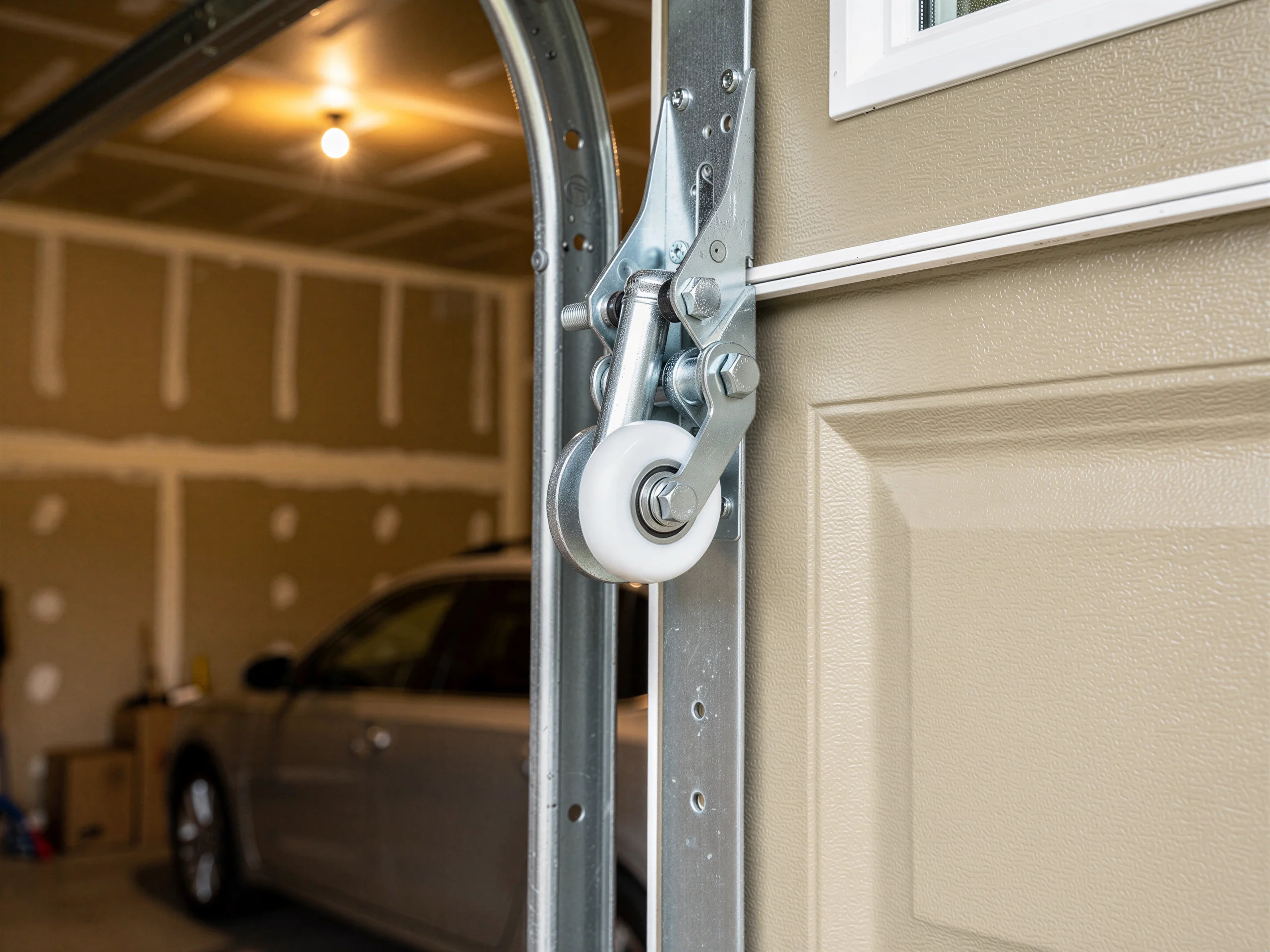
Budget roller kits
That changes the math on whether you tackle a job yourself. At median household income of $48,942, a $20 roller kit from the hardware store is an easy yes. A broken torsion spring is not. Springs from the mid-1980s era, when most Redwater houses went up, are often sized to openers and track hardware that have since been superseded.
Wrong wire size risk
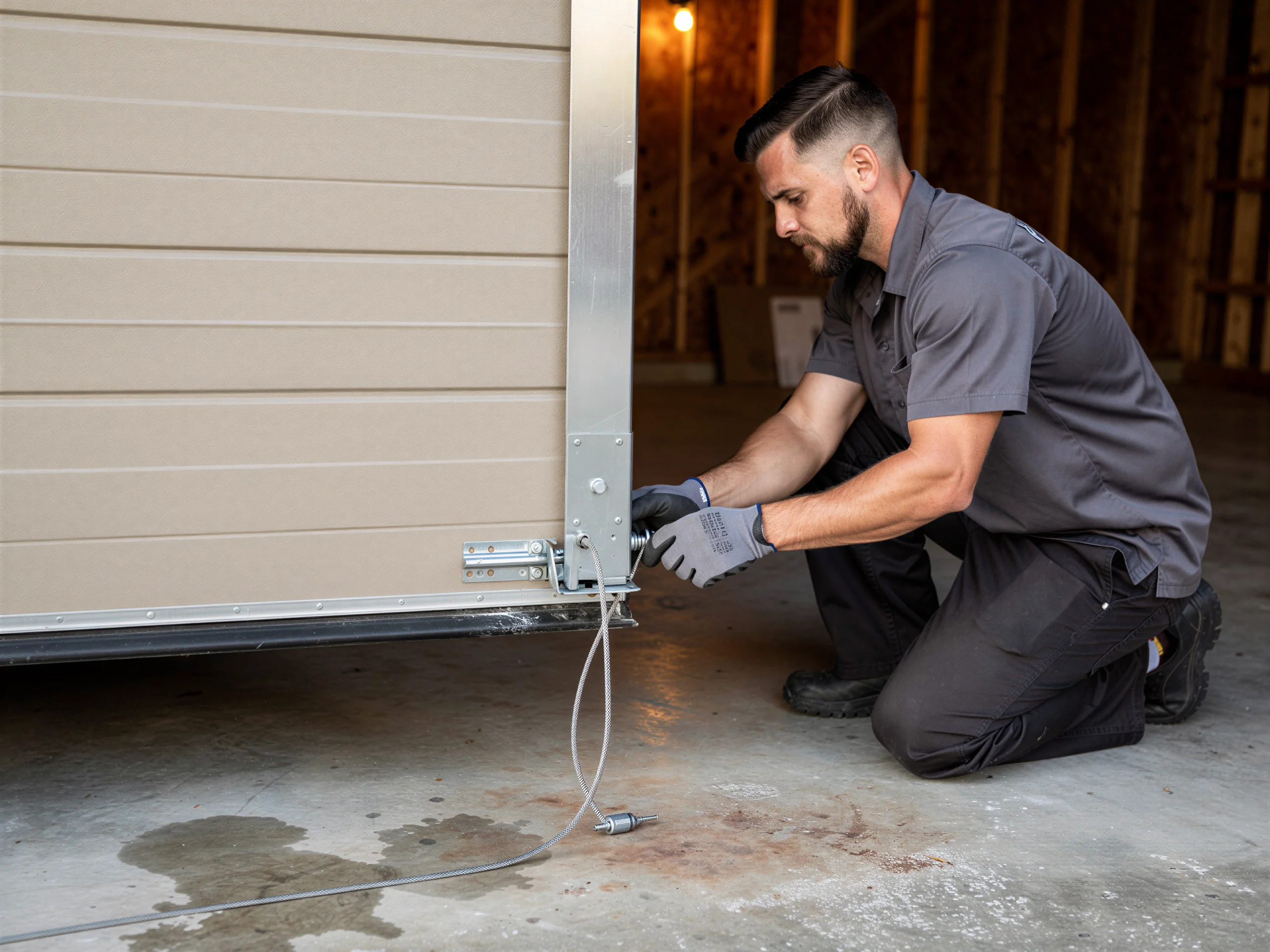
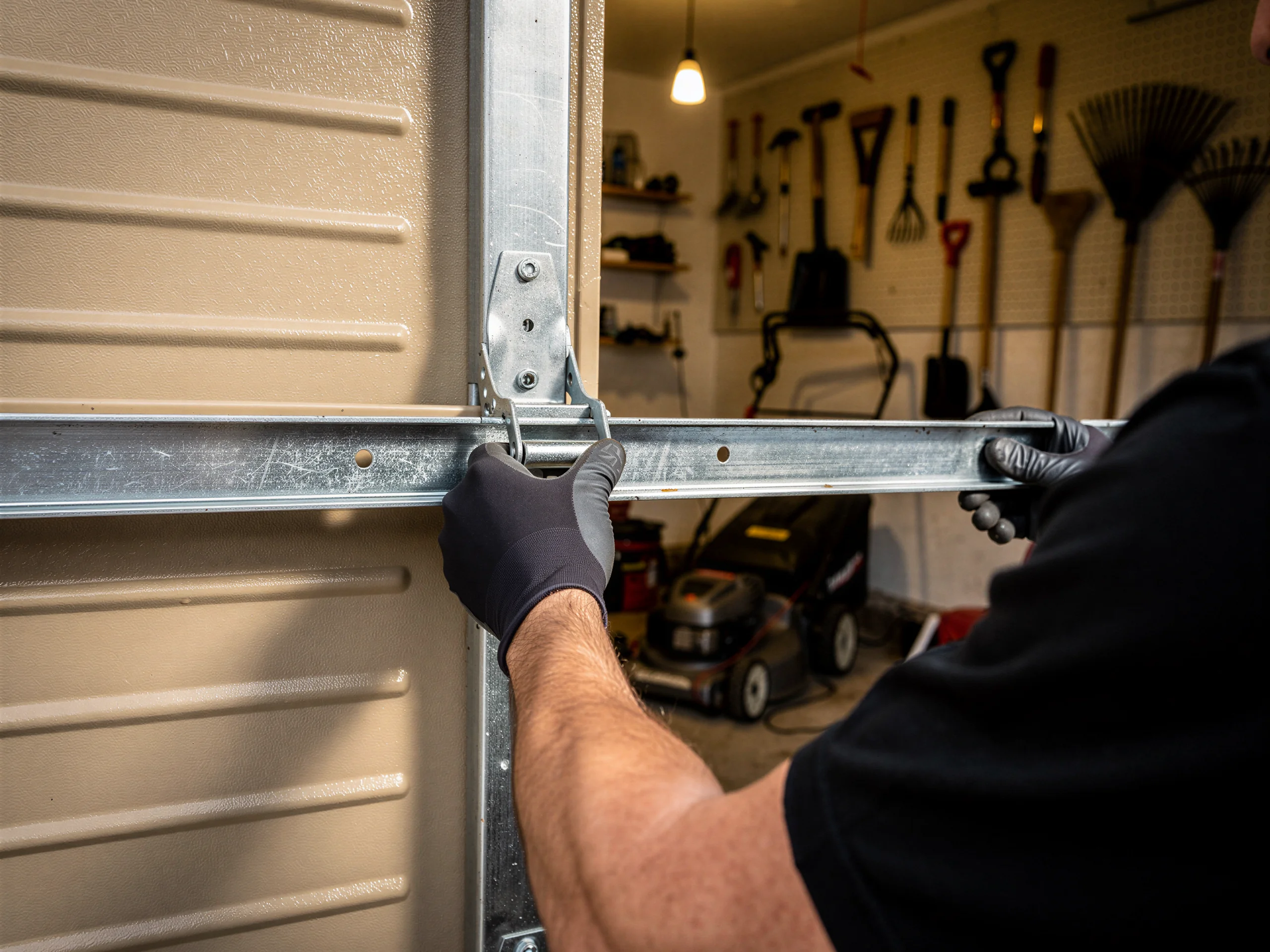
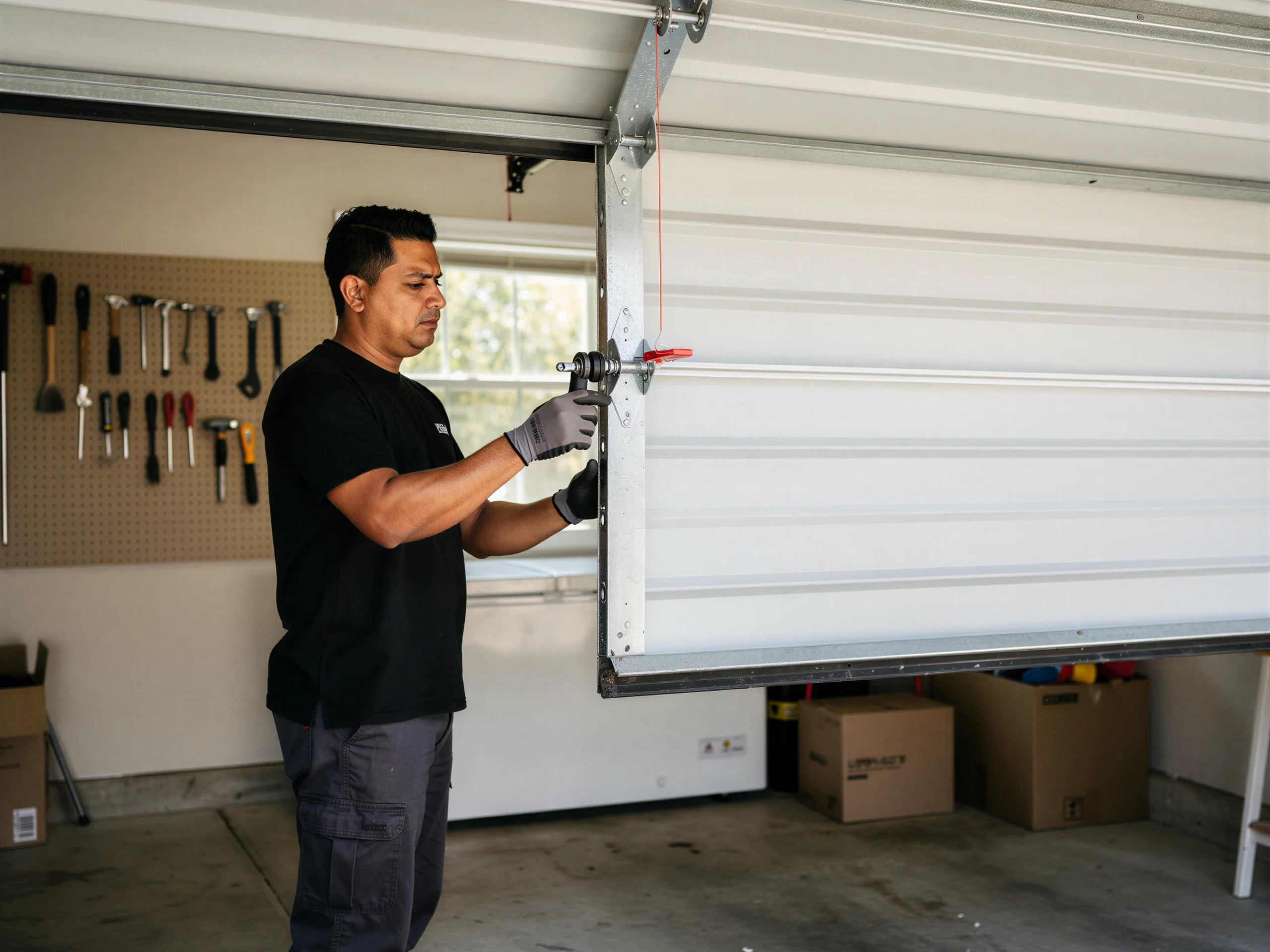
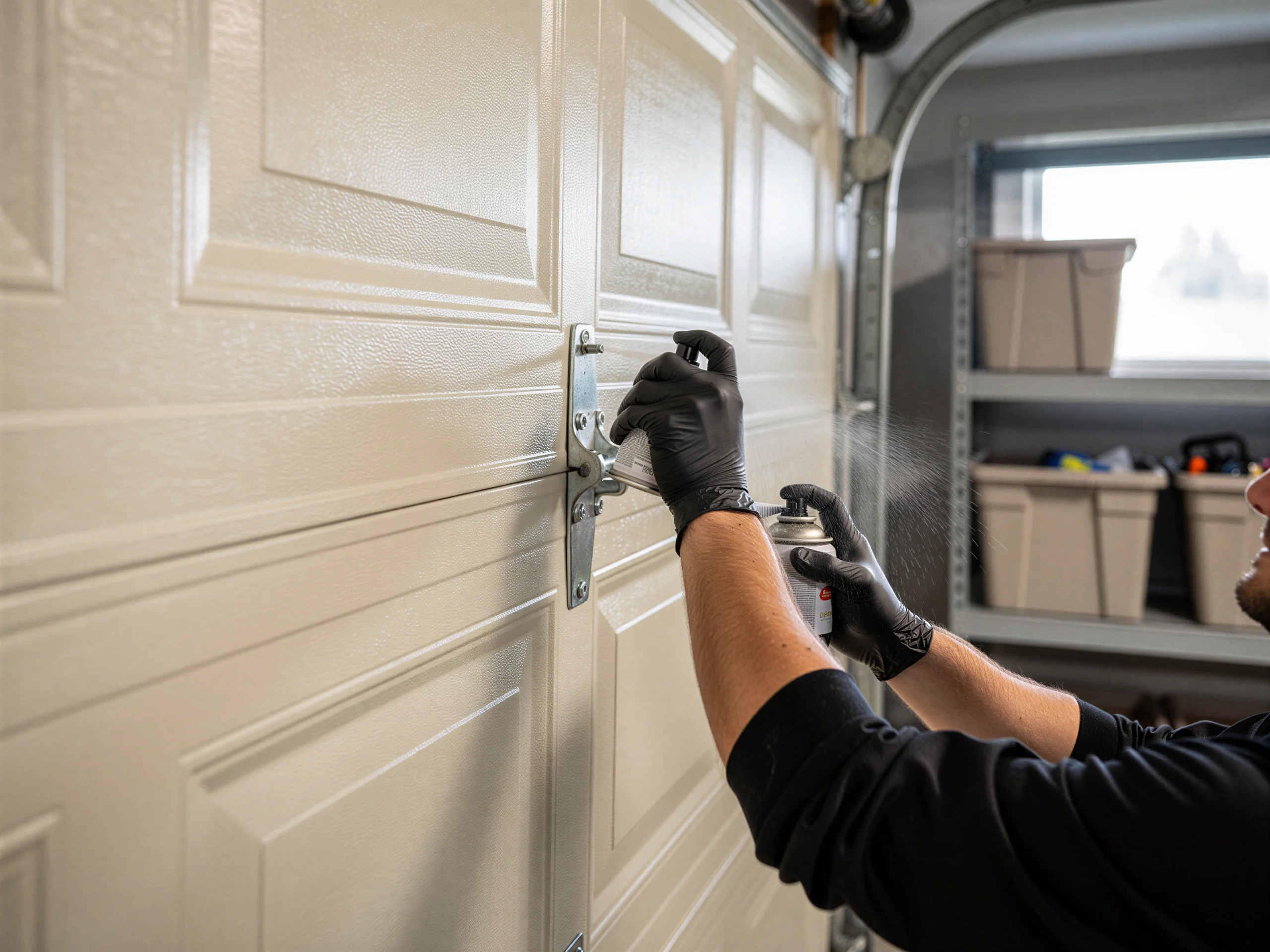
Guess wrong on wire size or wind count and you've bought a second spring, or worse, hurt yourself - torsion springs under load have put people in the ER with broken fingers and fractured orbital bones. What's safe to DIY here: tightening loose hinges, lubricating rollers, replacing a pull cord, swatting out a dead remote battery.
Stop at spring contact
What isn't: anything that touches the spring, the cable, or the bottom bracket. If the door won't open and you can see the spring coil pulled apart or hanging loose, stop and call - that's not a $20 fix, and trying to muscle it open can snap the cable too.
No stationed crew
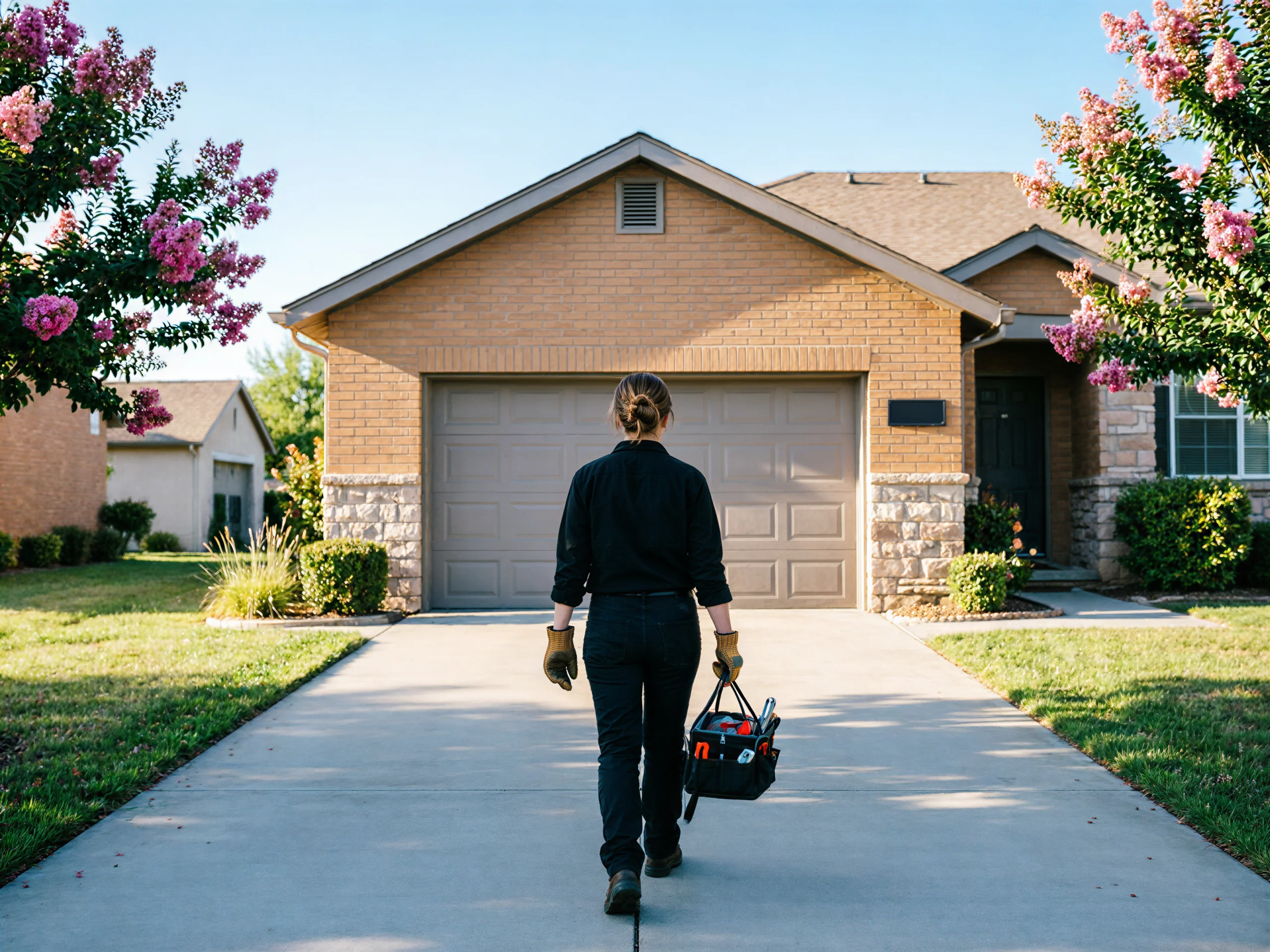
We don't keep a crew stationed in Redwater. We run the 12 miles from Texarkana for scheduled jobs, which means same-day isn't promised the way it might be for a call placed five minutes from the shop.
The Cost of This Job
The repair-or-replace line moves with income, and Redwater's median household income of $48,942 sits below the wider service area's $51,346. That's not a small gap when a full door replacement runs into four figures.
Repair-first advice
For most houses here, built around 1984, the honest advice is: repair first. A torsion spring, a cable, a broken roller, even a bent track section - these are jobs priced in the hundreds, not thousands, and they buy years of life out of a door that's already proven it can take 40 years of Texas heat.
Replacement earns its keep
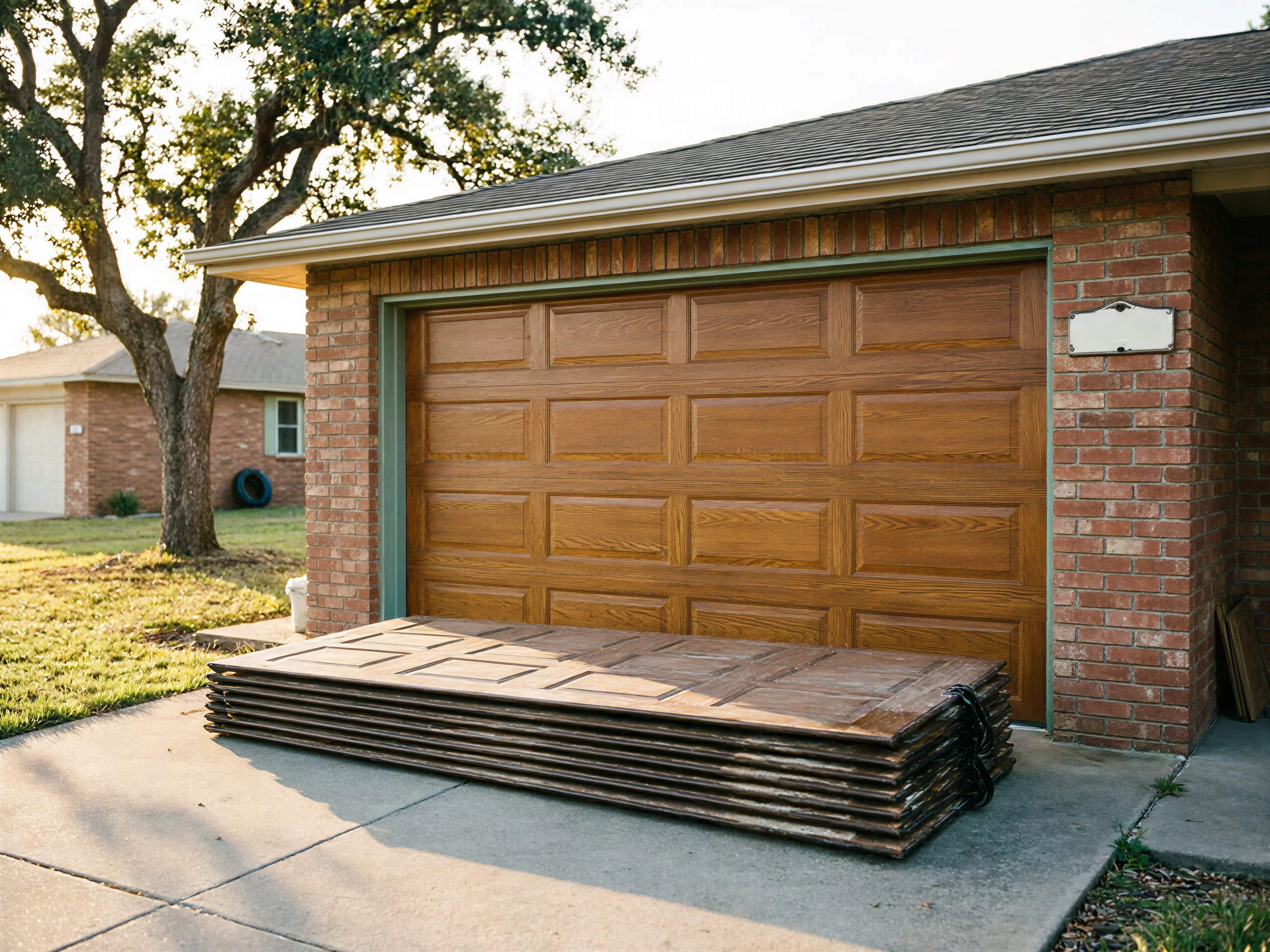
Replacement earns its keep when the door itself is the problem - wood panels that have delaminated, steel that's rusted through at the bottom, or a track system so out of square that every repair just creates the next failure point six months later.
Original build near limit
If your door is from the original 1980s build and has never been touched, it may be closer to that line than a newer door would be. We'll tell you straight if a repair isn't worth it. We'd rather lose the upsell than sell a homeowner three patches on a door that needed replacing the first time we looked at it.
Stocked Parts
Across the Redwater area and the rest of the service territory, 381 households fall inside a region where most of the housing stock - 3,410 owner-occupied houses total - went up between 1971 and 1992, with the median landing at 1984.
Predictable failing parts
That's a narrow, specific window, and it means the parts that fail are predictable. We stock torsion springs and standard-width track sections sized for doors from that era, along with the rollers and hinges that match the hardware common to houses built in the 1980s and 90s.
Parts already fit
If your door and opener are original to a 1984-built house, there's a good chance the parts on the truck already fit. What we don't carry on the truck: anything for a custom or oversized door, or hardware for a door installed well outside that 1971-1992 window.
Newer house, ordered part
If your house is newer or your door has been swapped out for something nonstandard, that part may need to be ordered, which adds a day or two given the drive from Texarkana. Worth checking before we show up: the brand stamped on your spring end bearing plate, if you can see it. It saves a second trip if the on-truck stock doesn't match.
Why It Happens Here
The climate band for this area is moderate heat, not the extreme swings that wreck doors through repeated expansion and contraction. That's some relief - Redwater doors don't take the punishment that a harsher climate zone would put on steel panels and seals.
What does wear out is age. A door and opener original to a house built around 1984 have had roughly four decades to put cycles on a spring, wear down roller bearings, and stretch cable past factory tolerance. That's the failure pattern we see most from this stretch of the service area: not storm damage, not a single bad event, just hardware that's outlasted its rated cycle count.
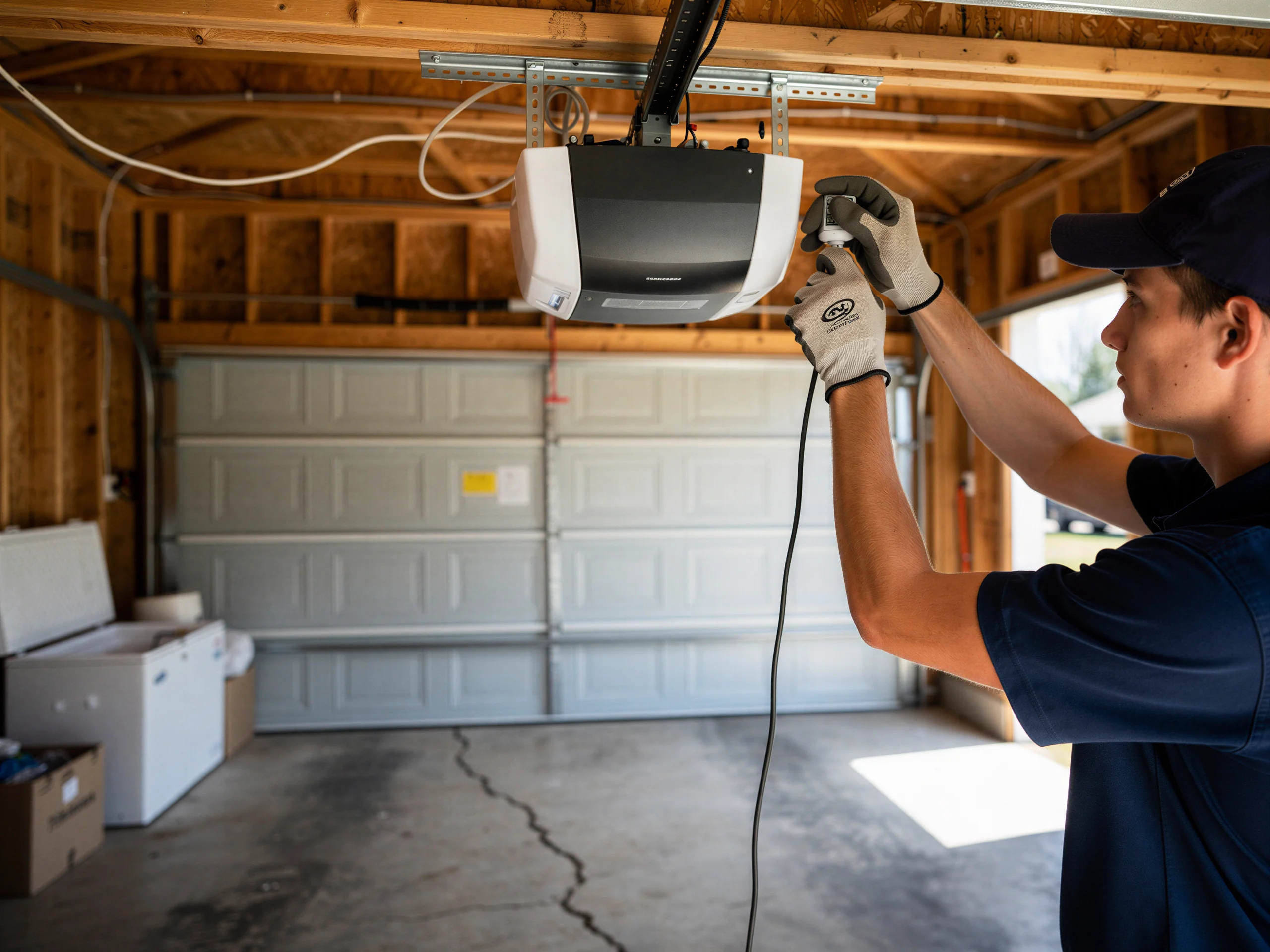
Opener motors from that same era are also past the point where parts are easy to source - capacitors fail, gears strip, and the logic boards in some of those units simply aren't made anymore. When that happens, replacing the opener is usually cheaper than chasing parts for one that's 35-plus years old.
If your garage sits on the end of the house that gets the most afternoon sun, expect the rubber seal at the bottom of the door to go first - heat breaks down that gasket faster than it breaks down steel or springs.
Talk to a local pro
Garage door service in Texarkana?
Same-day service with honest, upfront quotes.